
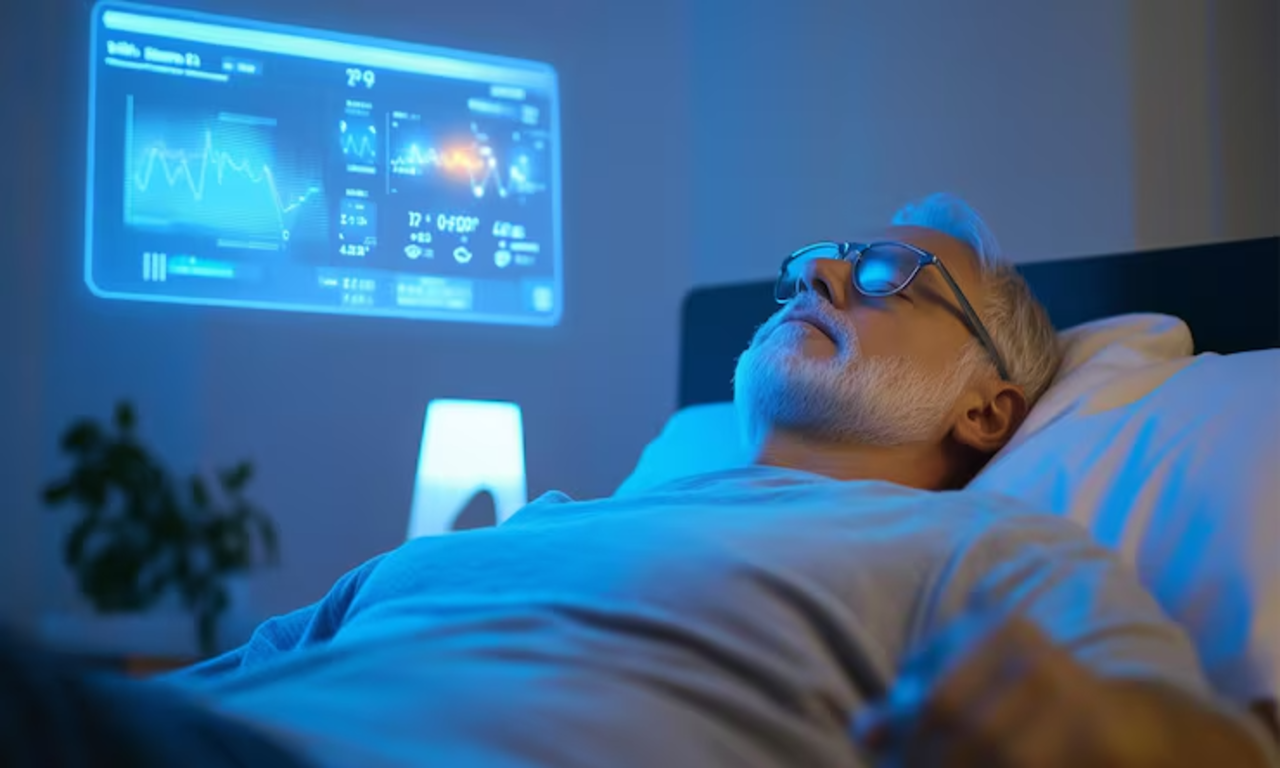
Good sleep has become one of the biggest priorities in modern wellness, and “Sleep Syncing: The Latest Health Trend Backed by Science” is gaining huge attention for a good reason. Sleep syncing means training your body to follow a natural rhythm so you sleep and wake up at the same time every day. It sounds simple, but the benefits feel surprisingly powerful. When your body follows a predictable pattern, your energy improves, your mood stabilizes, and your brain stays sharper throughout the day.
Most people underestimate how sensitive the human body is to timing. We often think sleep is only about duration, like “sleep eight hours and you’re fine.” But science says the timing of sleep matters just as much as the number of hours. Your body has an internal clock called the circadian rhythm, and this clock controls almost everything—your hunger, hormone release, energy levels, and even how fast you recover from stress. When you sleep at random times, this natural clock loses balance, and the effects quickly show up in your daily life.
Why People Are Turning Toward Sleep Syncing
People today face screens, stress, and hectic routines. This makes consistent sleep difficult. Many wake up tired even after a full night’s sleep. Sleep syncing solves this by bringing structure back into your life. Instead of sleeping “whenever you feel tired,” you train your body to expect rest at the same time every night. With time, your body starts releasing sleep hormones naturally, without force.
The best part? Sleep syncing doesn’t require supplements, expensive gadgets, or extreme lifestyle changes. It works because it uses your body’s natural biology. Scientists have found that humans perform better when they follow a steady pattern. Students focusing on sleep syncing show clearer thinking. Working adults notice better productivity. Even athletes recover faster when they follow regular sleep cycles.
The Science Behind Sleep Syncing
Your circadian rhythm is controlled by an area in the brain called the suprachiasmatic nucleus, or SCN. This region responds to light and darkness, which is why sunlight in the morning wakes you up and darkness at night makes you sleepy.
Here’s what science reveals:
Morning light boosts serotonin, which lifts your mood and keeps you alert.
Evening darkness increases melatonin, a hormone that helps you sleep.
When sleep timing changes daily, these hormones get confused.
When sleep flows in a routine, your body aligns its hormones perfectly.
This harmony gives you deeper sleep, higher daytime energy, and better emotional balance.
How to Start Sleep Syncing
Beginning sleep syncing doesn’t require perfection. A few small steps create a noticeable difference within days.
- Fix Your Wake-Up Time First
Many people try to sleep earlier but fail because the body isn’t ready. The real trick is to wake up at the same time every morning, even on weekends. Within a few days, your body naturally starts getting sleepy at the right time.
- Get Sunlight Within One Hour of Waking
Morning light resets your internal clock. Even 10 minutes help. Stand near a window or walk outside. Your brain gets the signal that the day has begun.
- Reduce Bright Screens Before Bed
Blue light confuses the brain into thinking it’s daytime. Lower brightness, use night mode, or avoid screens at least 45 minutes before sleep.
- Keep Your Room Cool and Dark
A cool environment helps your body enter deep sleep faster. Darkness strengthens melatonin release.
- Avoid Heavy Meals Late at Night
Digestion keeps the body active. Lighter dinners help you fall asleep quickly and sleep deeply.
The Benefits You’ll Notice
People who practice sleep syncing consistently report improvements like:
More natural energy throughout the day
Less morning grogginess
Better concentration and memory
More stable mood
Fewer sugar cravings
Better digestion
Healthier skin
A calmer mind
Many also notice they get sleepy naturally at the same time each night, without forcing themselves.
Why Sleep Syncing Feels So Different
Unlike traditional sleep tips, sleep syncing focuses on consistency, not struggle. You don’t chase sleep—you let your body learn it. With time, the body follows the pattern automatically. The mind relaxes faster, and sleep begins to feel peaceful instead of stressful.
Our modern lifestyle pushes us away from nature’s timing, but sleep syncing reconnects us with it. It feels refreshing, grounding, and surprisingly simple.
Final Thoughts
Sleep syncing is not just a trend; it’s a science-backed habit that strengthens your physical and mental health naturally. When your body follows a steady rhythm, everything—from mood to metabolism—works better. If you’re tired of waking up drained or staying restless at night, sleep syncing might be the most effective and gentle solution you try this year.