
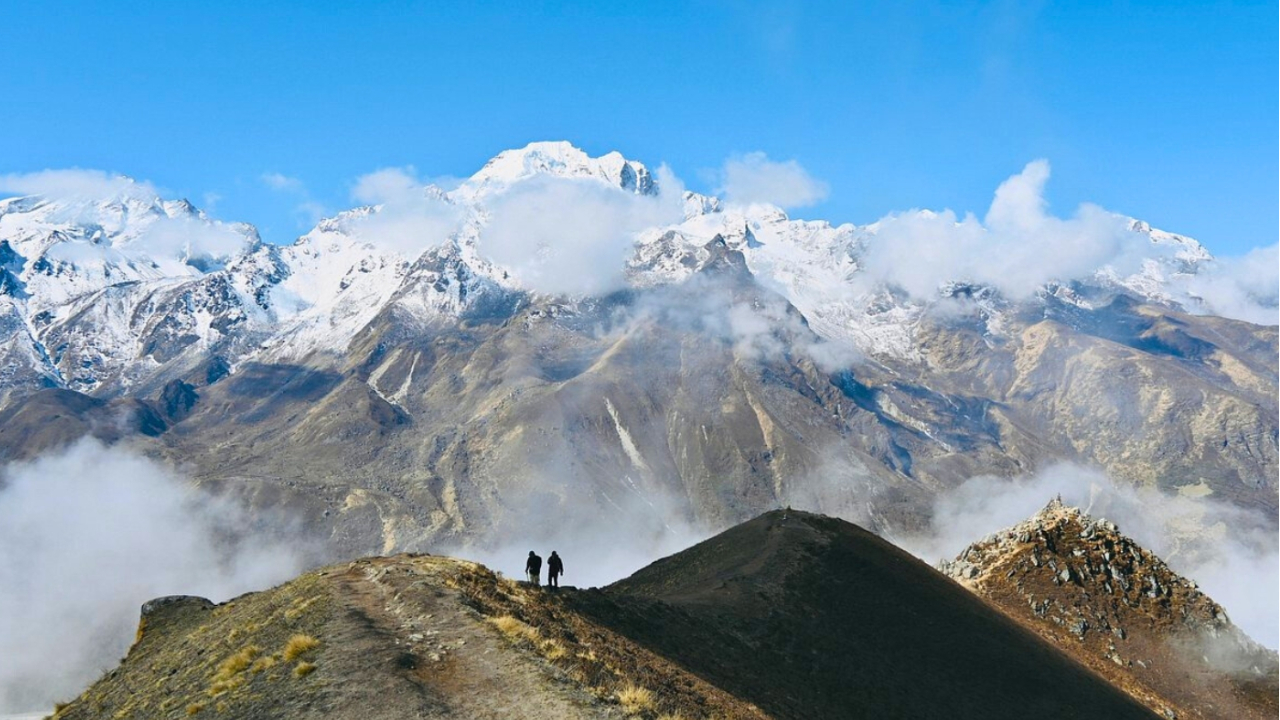
The Langtang Valley Trek is one of Nepal’s most rewarding yet underrated trekking experiences. Often overshadowed by more famous routes like Everest Base Camp and the Annapurna Circuit, this trek offers a unique combination of stunning alpine landscapes, rich Tamang culture, and peaceful trails with fewer crowds. Located just north of Kathmandu near the Tibetan border, the Langtang region delivers a complete Himalayan experience within a relatively short timeframe.
For trekkers looking for raw natural beauty, authentic village life, and a quieter alternative to Nepal’s busier trekking routes, the Langtang Valley Trek is an exceptional choice. From lush forests and cascading rivers to glaciers and towering peaks, every step of this journey reveals something unforgettable.
What Is the Langtang Valley Trek?
The Langtang Valley Trek is a multi-day trekking route located inside Langtang National Park in Nepal. The trek typically lasts between 7 to 12 days and reaches a maximum elevation of around 4,984 meters at Tserko Ri, a popular viewpoint above Kyanjin Gompa.
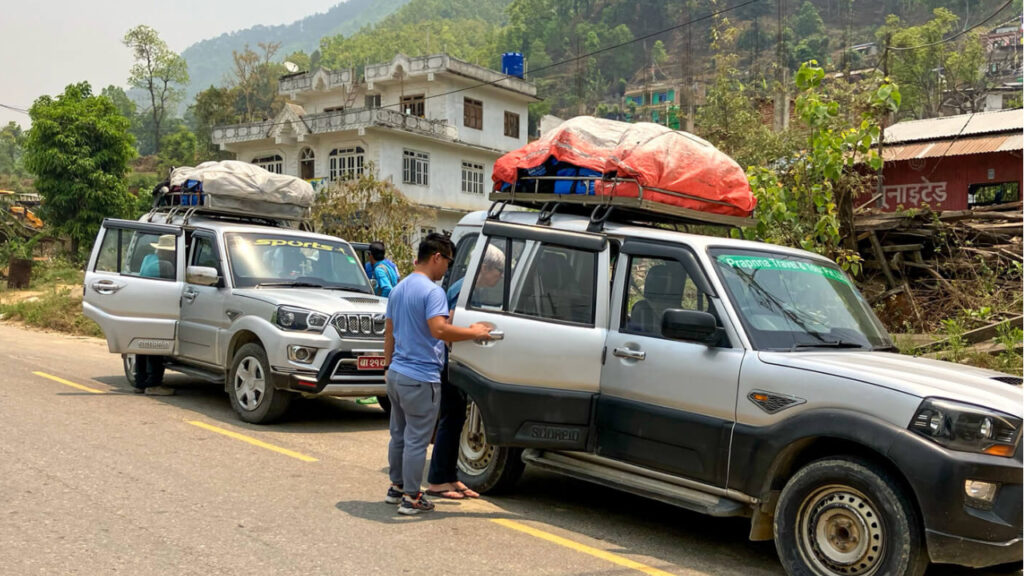
The journey begins with a drive from Kathmandu to Syabrubesi, the starting point of the trek. From there, the trail follows the Langtang River through dense forests, traditional villages, and open valleys before reaching the alpine settlement of Kyanjin Gompa.
What makes the Langtang Valley Trek special is its accessibility and diversity. Within a short period, trekkers experience dramatic elevation changes, cultural richness, and breathtaking Himalayan views without the logistical complexity of longer treks.
Why Choose the Langtang Valley Trek?
There are several compelling reasons to choose the Langtang Valley Trek over other popular routes in Nepal.
One of the biggest advantages is its proximity to Kathmandu. Unlike Everest or Annapurna treks that require flights or long travel times, Langtang can be reached by road in a day. This makes it ideal for trekkers with limited time.
Another reason is the peaceful atmosphere. The trails are less crowded, allowing for a more immersive and personal trekking experience. You can truly connect with nature and enjoy the silence of the mountains.
The cultural experience is also unique. The region is home to the Tamang people, whose traditions are closely linked to Tibetan culture. Their hospitality, monasteries, and daily lifestyle offer deep cultural insight.
Finally, the Langtang Valley Trek is a meaningful journey. The region was heavily affected by the 2015 earthquake, and trekking here supports local communities and contributes to rebuilding efforts.
Best Time to Do the Langtang Valley Trek
Choosing the right season is important for safety and enjoyment.
The best time for the Langtang Valley Trek is during spring (March to May) and autumn (September to November). These seasons provide clear skies, stable weather, and excellent visibility of the mountains.
Spring brings blooming rhododendron forests and vibrant landscapes, while autumn offers crisp air and stunning panoramic views.
Winter (December to February) is colder, especially at higher elevations, but still possible with proper gear. Monsoon season (June to August) brings heavy rain, muddy trails, and limited visibility, making trekking more challenging.
Langtang Valley Trek Route Overview
The Langtang Valley Trek follows a linear route that gradually ascends into the valley.
A typical route includes:
- Syabrubesi to Lama Hotel through forests and riverside trails
- Lama Hotel to Langtang Village with increasing altitude and open landscapes
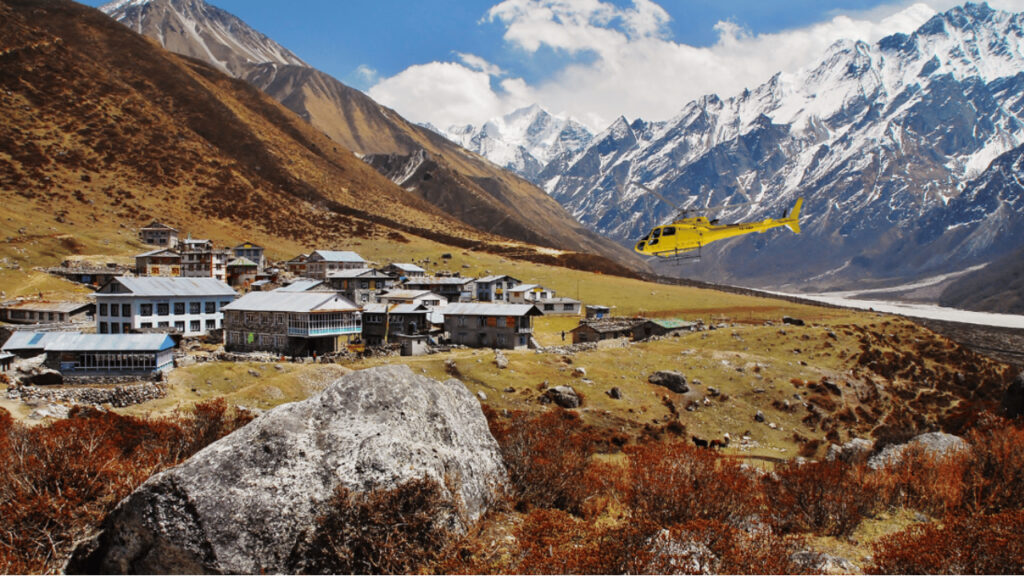
- Langtang Village to Kyanjin Gompa, the main destination
- Exploration hikes to Kyanjin Ri or Tserko Ri
- Return via the same route to Syabrubesi
Each section of the trail offers a different experience, from dense greenery to wide alpine valleys surrounded by snow-capped peaks.
Langtang Valley Trek Duration
The Langtang Valley Trek usually takes between 7 and 12 days depending on your pace and itinerary.
A common 10-day itinerary includes:
- Day 1: Drive from Kathmandu to Syabrubesi
- Day 2: Trek to Lama Hotel
- Day 3: Trek to Langtang Village
- Day 4: Trek to Kyanjin Gompa
- Day 5: Acclimatization and hike to Tserko Ri
- Day 6–9: Return trek to Syabrubesi
- Day 10: Drive back to Kathmandu
Adding extra days allows for better acclimatization and exploration.
Physical Preparation for the Langtang Valley Trek
The Langtang Valley Trek is considered moderate in difficulty, but good physical preparation is still important.
You should focus on:
- Cardiovascular training such as walking, jogging, or cycling
- Strength exercises for legs and core
- Practice hikes with a backpack
- Building endurance for multiple days of trekking
Even beginners can complete this trek with proper preparation and pacing.
Altitude and Acclimatization on the Langtang Valley Trek
Although not as high as Everest or Annapurna, altitude still plays a role in the Langtang Valley Trek.
As you ascend above 3,000 meters, the risk of altitude sickness increases. Symptoms include headache, fatigue, nausea, and dizziness.
To stay safe:
- Ascend gradually
- Take rest days if needed
- Stay hydrated
- Eat properly
- Listen to your body
Kyanjin Gompa is an important acclimatization point before attempting hikes to higher viewpoints.
Accommodation on the Langtang Valley Trek
Accommodation is provided by teahouses along the trail.
These are simple lodges offering basic rooms, meals, and a place to rest. Facilities are more limited compared to Everest or Annapurna regions, but they are comfortable enough for trekkers.
Staying in teahouses also allows you to interact with locals and experience their hospitality firsthand.
Food and Drink on the Langtang Valley Trek
Food on the Langtang Valley Trek is simple but nourishing.
Common meals include:
- Dal Bhat with rice and lentils
- Noodles and soups
- Fried rice and vegetables
- Pancakes, eggs, and tea
Dal Bhat is the most popular choice because it is filling and provides energy for long trekking days.
Water should always be treated before drinking. Use purification tablets or filters to stay safe.
Essential Gear for the Langtang Valley Trek
Packing the right gear is key to a successful trek.
Important items include:
- Layered clothing for temperature changes
- Warm jacket for cold nights
- Waterproof outerwear
- Comfortable trekking boots
- Backpack and rain cover
- Sleeping bag for higher elevations
- Trekking poles for stability
Packing light but efficiently will make your trek much more enjoyable.
Cultural Experience in Langtang Valley
The Langtang Valley Trek offers a deep cultural experience.
The Tamang people, who live in this region, have strong Tibetan influences in their language, clothing, and traditions. You will see prayer flags, chortens, and monasteries along the trail.
Kyanjin Gompa is a spiritual highlight where trekkers can visit a monastery and observe local religious practices.
Respect for local culture is important. Dress modestly, ask before taking photos, and be mindful of traditions.
Scenic Highlights of the Langtang Valley Trek
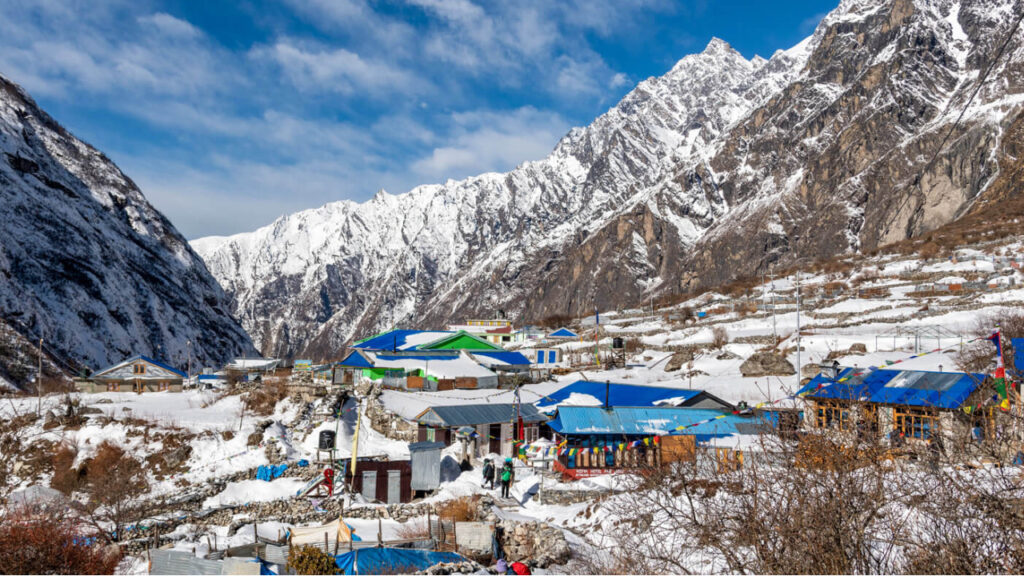
The Langtang Valley Trek is filled with incredible scenery.
Some of the most memorable highlights include:
- Dense forests filled with wildlife and birds
- Views of Langtang Lirung and surrounding peaks
- Glaciers and alpine meadows near Kyanjin Gompa
- Sunrise views from Tserko Ri
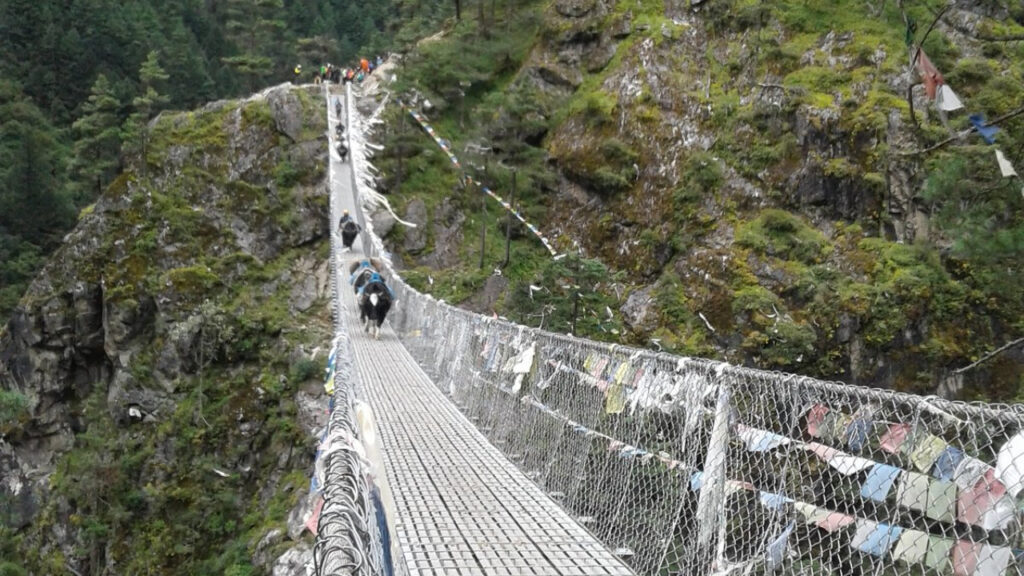
- Peaceful rivers and suspension bridges
The variety of landscapes makes this trek visually rewarding from start to finish.
Wildlife and Nature in Langtang National Park
Langtang National Park is home to diverse wildlife.
Trekkers may encounter:
- Red pandas
- Himalayan black bears
- Langur monkeys
- Various bird species
The park also features diverse plant life, including rhododendron forests that bloom beautifully in spring.
Budget for the Langtang Valley Trek
The Langtang Valley Trek is more affordable compared to other Himalayan treks.
On average, expect to spend between 600 and 1,200 USD depending on your travel style.
Costs include:
- Permits
- Accommodation
- Food
- Transportation
- Guide and porter services
Independent trekking is possible, but hiring a guide enhances safety and cultural understanding.
Eco-Friendly Trekking in Langtang Valley
Sustainable trekking keeps Langtang’s fragile environment safe. This Himalayan valley draws hikers with its stunning peaks and forests. But heavy foot traffic can harm rivers, trails, and animals if we act careless. Trek smart to leave no trace.
Stick to these key steps.
Skip plastic waste. Single-use bags and bottles pile up in remote spots. Carry cloth bags instead. Opt for metal or glass items that last. This cuts trash that chokes wildlife and pollutes streams.
Grab reusable water bottles. Fill them at clean teahouse taps or streams with filters. Nepal bans plastic bottles in many parks now. Your bottle saves cash and stops heaps of waste from trekking routes.
Dump waste right. Pack out every scrap you bring. Bury human waste deep off trails, at least 200 feet away from water. Teahouses have bins—use them. Poor disposal spreads sickness and scars the land.
Honor wildlife and nature. Stay on marked paths to shield plants. Do not feed or touch animals. Keep noise low so birds nest in peace. Langtang hosts red pandas and snow leopards—give them space.
Back local businesses. Eat at family-run teahouses. Hire guides from nearby villages. Buy crafts from Tamang folks who live here. Your dollars help them thrive and protect their home.
Smart trekking guards Langtang’s beauty. Trails stay clear. Animals flourish. Kids tomorrow will hike the same paths we love today. Act now. Trek light. Leave it better.
Final Thoughts on the Langtang Valley Trek
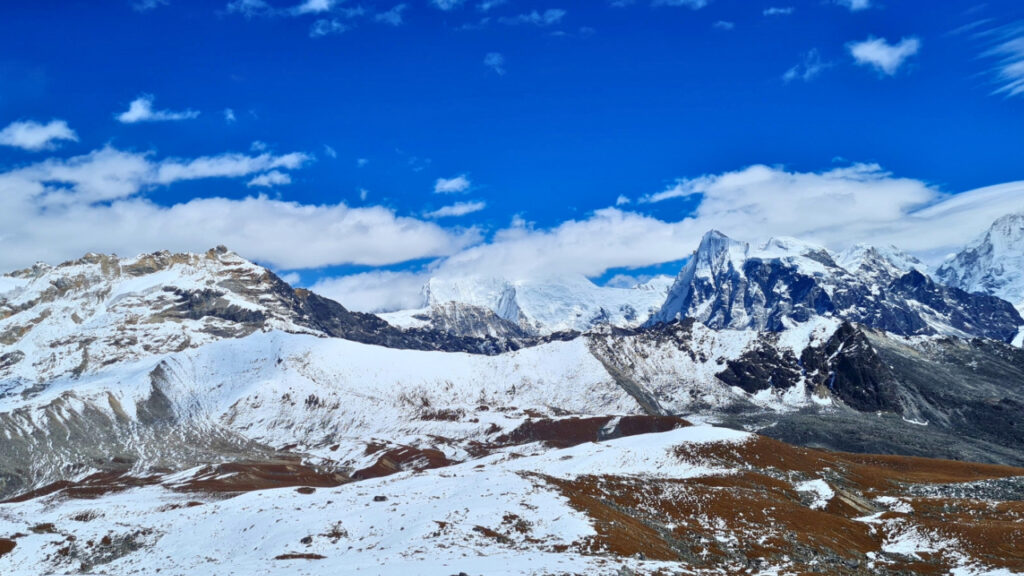
The Langtang Valley Trek is a perfect blend of nature, culture, and adventure. It may not be as famous as other treks in Nepal, but it offers a more peaceful and authentic experience.
From walking through quiet forests to standing beneath towering हिमालय peaks, every moment feels special. The connection with local communities and the sense of discovery make this trek truly unforgettable.
For anyone seeking a meaningful Himalayan journey without extreme crowds or long durations, the Langtang Valley Trek is an outstanding choice.
