
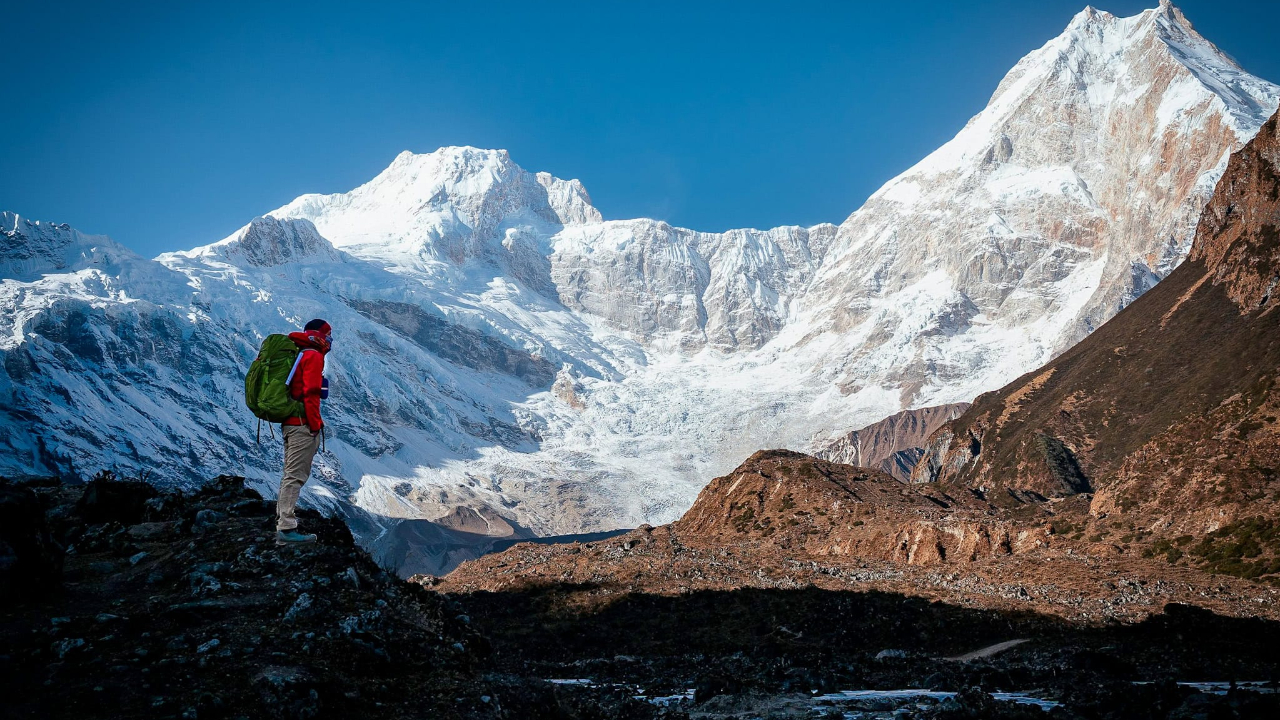
The Manaslu Circuit Trek is one of Nepal’s most breathtaking and least crowded trekking routes. Circling Mount Manaslu, the eighth-highest mountain in the world, this trek offers a raw and authentic Himalayan experience far from the busy trails of Everest and Annapurna. It is perfect for trekkers who want adventure, solitude, and deep cultural immersion.
Unlike more commercial routes, the Manaslu Circuit Trek takes you through remote villages, untouched landscapes, and diverse ecosystems. From lush green valleys and roaring rivers to high mountain passes and snow-covered peaks, this trek delivers a complete journey through the Himalayas.
What Is the Manaslu Circuit Trek?
The Manaslu Circuit Trek is a long-distance trekking route in Nepal that circles Mount Manaslu, which stands at 8,163 meters. The trek typically takes between 14 and 18 days and reaches its highest point at Larkya La Pass, at 5,160 meters.
The journey begins in Soti Khola or Machha Khola and gradually ascends through the Budhi Gandaki River valley. As you move higher, the landscape changes dramatically, leading to alpine terrain and eventually the high mountain pass.
The Manaslu Circuit Trek is part of a restricted area, which means trekkers must obtain special permits and travel with a registered guide. This helps preserve the region’s natural and cultural heritage.
Why Choose the Manaslu Circuit Trek?
The Manaslu Circuit Trek stands out for several reasons.
First, it offers a quieter alternative to more popular treks. You can walk for hours without encountering large crowds, making the experience more peaceful and immersive.
Second, the scenery is incredibly diverse. The trek begins in subtropical forests and gradually transitions into alpine landscapes, glaciers, and high mountain terrain.Manaslu Circuit Trek
Third, the cultural experience is unique. The upper regions of the trek are heavily influenced by Tibetan culture, with monasteries, prayer flags, and traditional villages along the way.
Finally, the challenge of crossing Larkya La Pass adds a strong sense of achievement, making this trek both physically and mentally rewarding.
Best Time to Do the Manaslu Circuit Trek
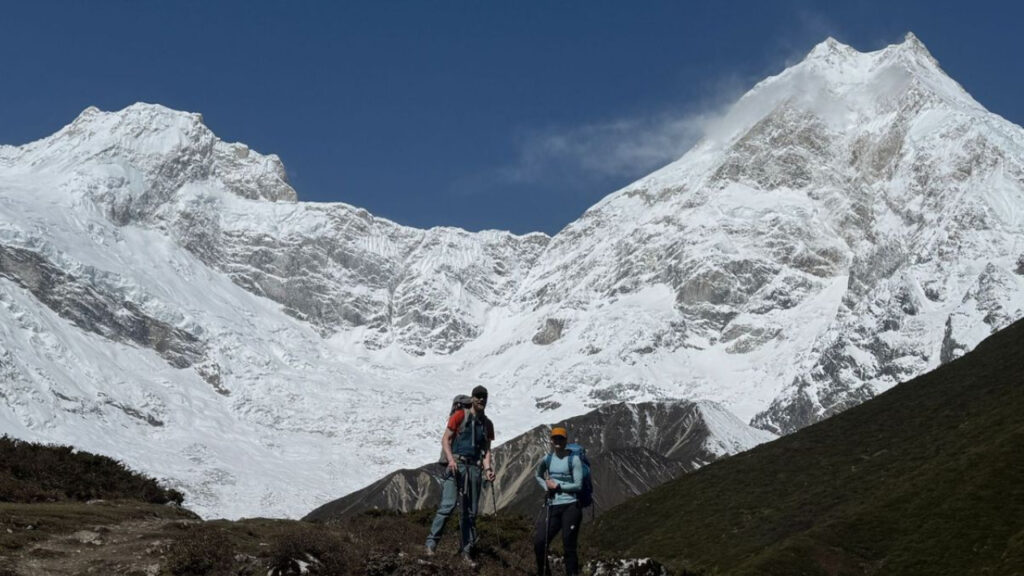
The best time to do the Manaslu Circuit Trek is during spring (March to May) and autumn (September to November).
During these seasons, the weather is stable, skies are clear, and mountain views are at their best. Spring also brings blooming flowers, while autumn offers crisp air and excellent visibility.
Winter can be very cold, especially at higher elevations, and Larkya La Pass may be blocked by snow. Monsoon season brings heavy rain, landslides, and poor visibility, making trekking more difficult.
Manaslu Circuit Trek Route Overview
The Manaslu Circuit Trek follows a remote and scenic route around the Manaslu massif.
A typical route includes:
- Soti Khola to Machha Khola along river trails
- Machha Khola to Jagat through narrow valleys
- Jagat to Deng and Namrung with increasing altitude
- Namrung to Samagaon with mountain views
- Acclimatization day in Samagaon
- Trek to Samdo and Dharamsala
- Cross Larkya La Pass
- Descend to Bimthang and Dharapani
The route eventually connects with the Annapurna region.
Manaslu Circuit Trek Duration
The Manaslu Circuit Trek usually takes 14 to 18 days.
A standard itinerary includes:
- 6 to 7 days of gradual ascent
- 2 acclimatization days
- 1 day to cross Larkya La Pass
- 4 to 5 days of descent
Taking enough time is important for safety and proper acclimatization.
Physical Preparation for the Manaslu Circuit Trek
The Manaslu Circuit Trek is considered challenging and requires good physical fitness.
Preparation should include:
- Cardio training such as running or cycling
- Strength training for legs and core
- Practice hikes with a backpack
- Building endurance for long trekking days
Being physically prepared will make the trek safer and more enjoyable.
Altitude and Acclimatization on the Manaslu Circuit Trek
Altitude is a major factor on the Manaslu Circuit Trek.
As you ascend above 3,000 meters, the risk of altitude sickness increases. Symptoms include headache, nausea, dizziness, and fatigue.
To reduce risk:
- Ascend gradually
- Take acclimatization days seriously
- Stay hydrated
- Avoid alcohol
- Listen to your body
Samagaon is an important acclimatization stop where trekkers often spend an extra day.
Accommodation on the Manaslu Circuit Trek
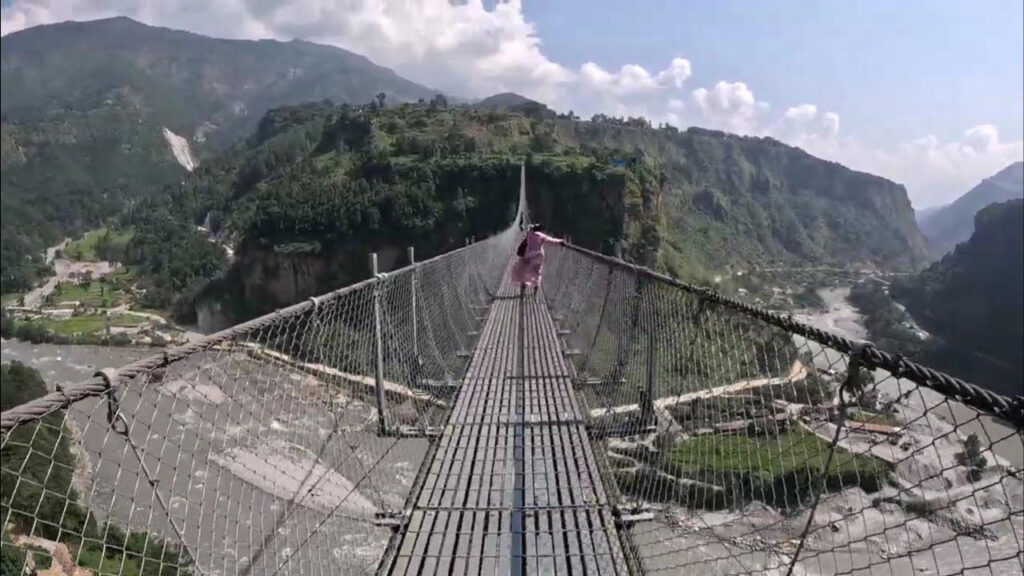
Accommodation is provided by teahouses along the route.
These are basic lodges offering simple rooms and meals. Facilities are more limited compared to popular trekking regions, especially at higher altitudes.
However, the simplicity adds to the authentic experience of the Manaslu Circuit Trek.
Food and Drink on the Manaslu Circuit Trek
Food is simple but filling.
Common meals include:
- Dal Bhat
- Noodles and soups
- Fried rice
- Pancakes and eggs
Hot drinks such as tea and coffee are widely available.
Water should always be treated before drinking to avoid illness.
Essential Gear for the Manaslu Circuit Trek
Proper gear is essential for safety and comfort.
Important items include:
- Layered clothing for changing temperatures
- Warm down jacket
- Waterproof gear
- Sturdy trekking boots
- Backpack and rain cover
- Sleeping bag for cold nights
- Trekking poles
Packing correctly is especially important due to the remote nature of the trek.
Cultural Experience on the Manaslu Circuit Trek
The Manaslu Circuit Trek offers a rich cultural experience.
The lower regions are influenced by Hindu culture, while the upper regions reflect Tibetan Buddhist traditions. You will see monasteries, prayer wheels, and traditional villages along the trail.
The hospitality of local communities adds a meaningful dimension to the journey.
Crossing Larkya La Pass
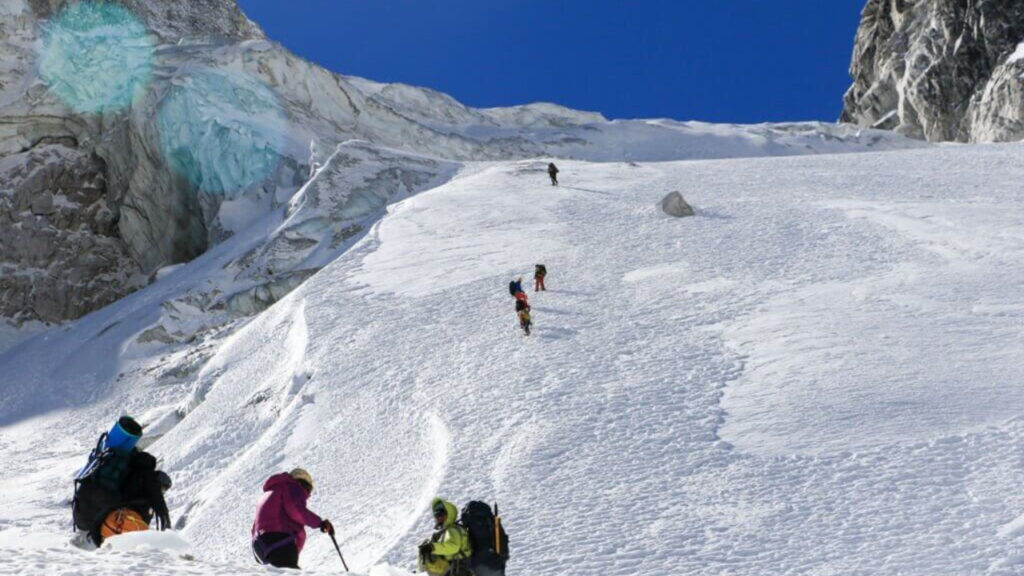
Larkya La Pass is the highest point of the Manaslu Circuit Trek and one of its biggest challenges.
The crossing usually begins early in the morning. The climb is long and demanding, but the views from the top are incredible.
After reaching the summit, the descent toward Bimthang offers stunning scenery and a sense of accomplishment.
Wildlife and Nature on the Manaslu Circuit Trek
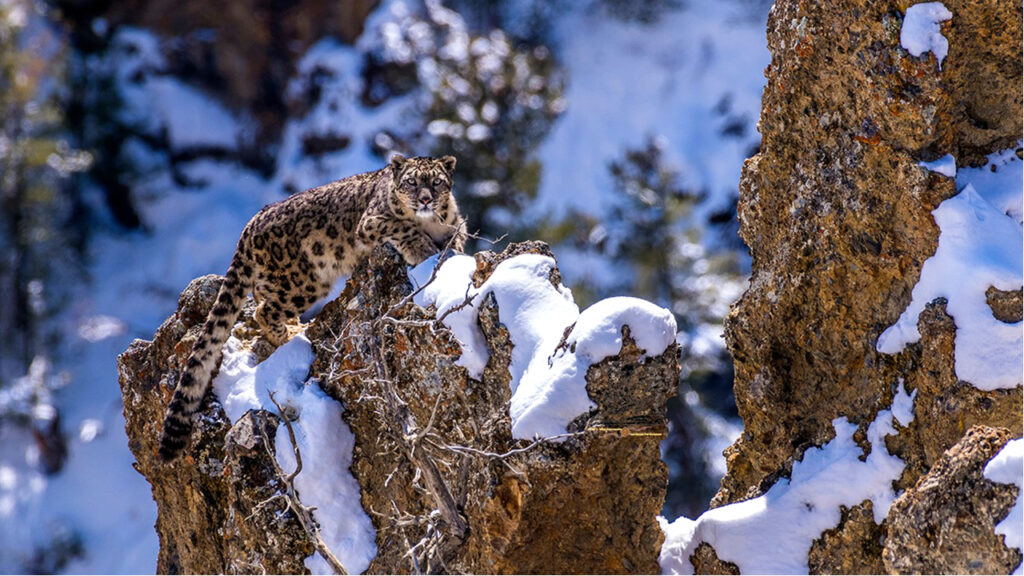
The Manaslu region in Nepal’s Himalayas teems with varied wildlife and ecosystems. Trekkers often spot Himalayan blue sheep, also called bharal. These agile goats climb steep rocky slopes with ease. Snow leopards prowl here too, though sightings stay rare due to their shy nature and low numbers. Bird watchers catch glimpses of many species, like the colorful impeyan pheasant and swift Himalayan griffon vultures soaring overhead.
The famous Manaslu Circuit Trek winds through thick forests of rhododendron and pine at lower heights. It crosses clear rivers fed by glacial melt. Higher up, open alpine meadows burst with wildflowers in season. This mix of low valleys, mid-hills, and high passes creates a hotspot for life. Different heights mean varied plants and animals thrive side by side. Forests shelter deer and monkeys. Rivers host trout and other fish. Meadows draw herds of sheep and birds nesting in bushes.
Such rich variety draws nature lovers to the trek. Keep eyes sharp; quiet steps increase chances of close views. The area’s untouched feel stems from limited access rules that protect these habitats.
Budget for the Manaslu Circuit Trek
Responsible trekking matters a lot in far-off places like the Manaslu region. These areas stay clean and wild because few people visit. Bad habits can harm nature and locals fast. Trek with care to keep it that way.
Start by cutting plastic waste. Plastic bags and wrappers last years in the dirt. They choke animals and clog streams. Skip them. Bring cloth bags or stuff trash in your pack instead.
Carry reusable bottles. Buy one before your trip. Refill it at clean water spots along the trail. This cuts down on single-use plastic that piles up. You save money too.
Get rid of waste the right way. Pack out every bit of trash you bring. Bury human waste deep if no toilet. Burn paper if safe. Leave no mark behind. Trails stay pretty for the next group.
Honor local ways and nature. Step light on plants. Stay on paths to avoid erosion. Ask before you take photos in villages. Learn basic greetings in Nepali. Support shops run by locals.
These steps make trekking last. The Manaslu area’s high peaks, forests, and villages draw hikers for their raw charm. Act smart. It guards that beauty for years to come. Your trek sets the tone.
Eco-Friendly Trekking Practices
Responsible trekking matters a lot in far-off places like the Manaslu region. These areas stay clean and wild because few people visit. Bad habits can harm nature and locals fast. Trek with care to keep it that way.
Start by cutting plastic waste. Plastic bags and wrappers last years in the dirt. They choke animals and clog streams. Skip them. Bring cloth bags or stuff trash in your pack instead.
Carry reusable bottles. Buy one before your trip. Refill it at clean water spots along the trail. This cuts down on single-use plastic that piles up. You save money too.
Get rid of waste the right way. Pack out every bit of trash you bring. Bury human waste deep if no toilet. Burn paper if safe. Leave no mark behind. Trails stay pretty for the next group.
Honor local ways and nature. Step light on plants. Stay on paths to avoid erosion. Ask before you take photos in villages. Learn basic greetings in Nepali. Support shops run by locals.
These steps make trekking last. The Manaslu area’s high peaks, forests, and villages draw hikers for their raw charm. Act smart. It guards that beauty for years to come. Your trek sets the tone.
Final Thoughts on the Manaslu Circuit Trek
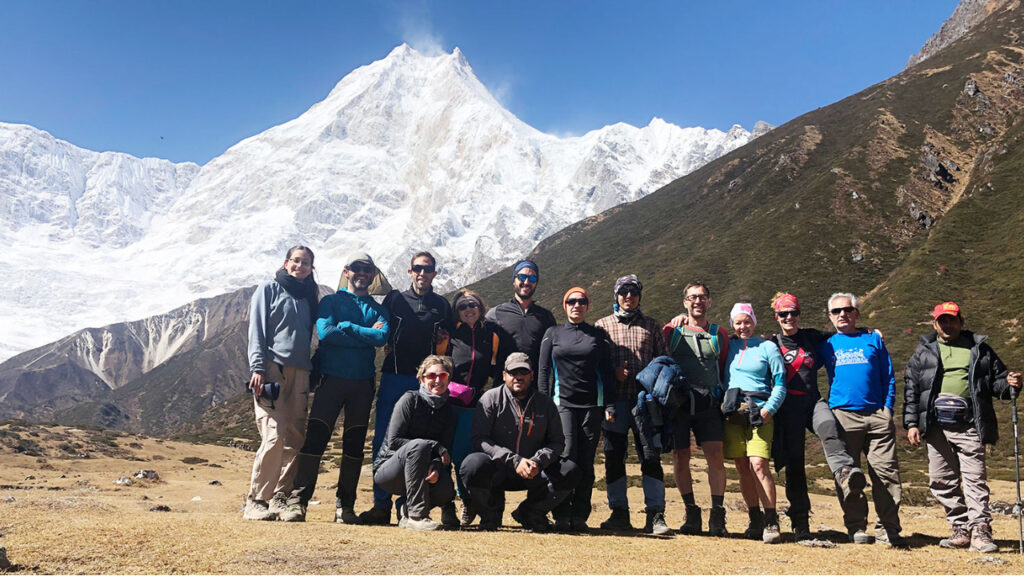
The Manaslu Circuit Trek is one of Nepal’s most rewarding trekking experiences. It offers adventure, solitude, cultural richness, and breathtaking landscapes.
For those looking to explore a less crowded and more authentic side of the Himalayas, this trek is an excellent choice. The journey is challenging but incredibly fulfilling, leaving you with memories that last a lifetime
