
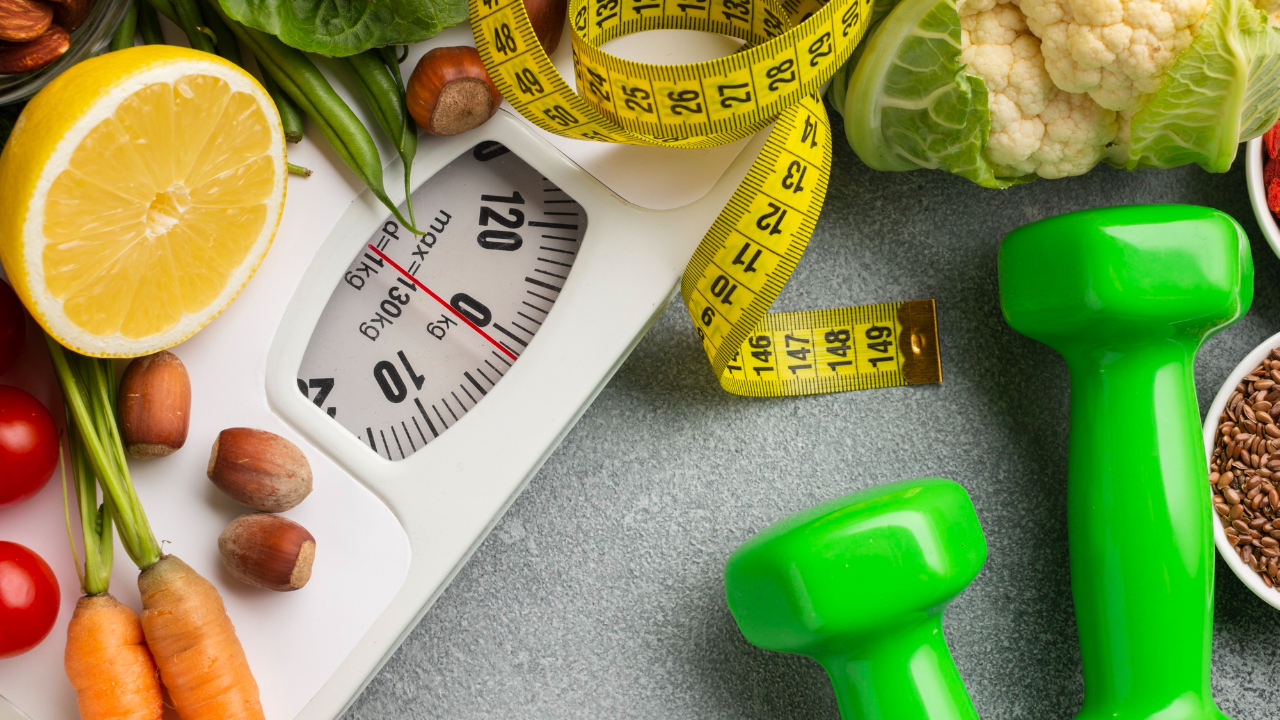
Fat Loss vs Weight Loss is one of the most misunderstood topics in fitness and health. Many people use these terms interchangeably, but they are not the same thing. Understanding the difference can completely change the way you approach fitness, nutrition, and long-term health goals.
In 2026, more people are focusing on sustainable health rather than simply lowering the number on the scale. While losing weight may seem like the primary goal, losing fat while maintaining muscle is usually the healthier and more effective approach.
This guide explains the real difference between Fat Loss vs Weight Loss, how each affects your body, and which approach is better for long-term results.
What Is Fat Loss vs Weight Loss
Fat Loss vs Weight Loss refers to two different changes in body composition.
Weight loss means a reduction in overall body weight. This can include:
- Fat loss
- Muscle loss
- Water loss
Fat loss specifically means reducing body fat while preserving lean muscle mass.
This distinction is important because the number on the scale does not always reflect actual health improvements.
Why Fat Loss vs Weight Loss Matters
Understanding Fat Loss vs Weight Loss helps you set healthier and more realistic goals.
Many people focus only on losing weight quickly. However, rapid weight loss often includes muscle and water loss, which can negatively affect metabolism and overall health.
Fat loss, on the other hand, improves body composition, strength, and long-term fitness.
Focusing on fat loss instead of just weight loss usually leads to better physical appearance and better overall health.
How Weight Loss Happens in Fat Loss vs Weight Loss
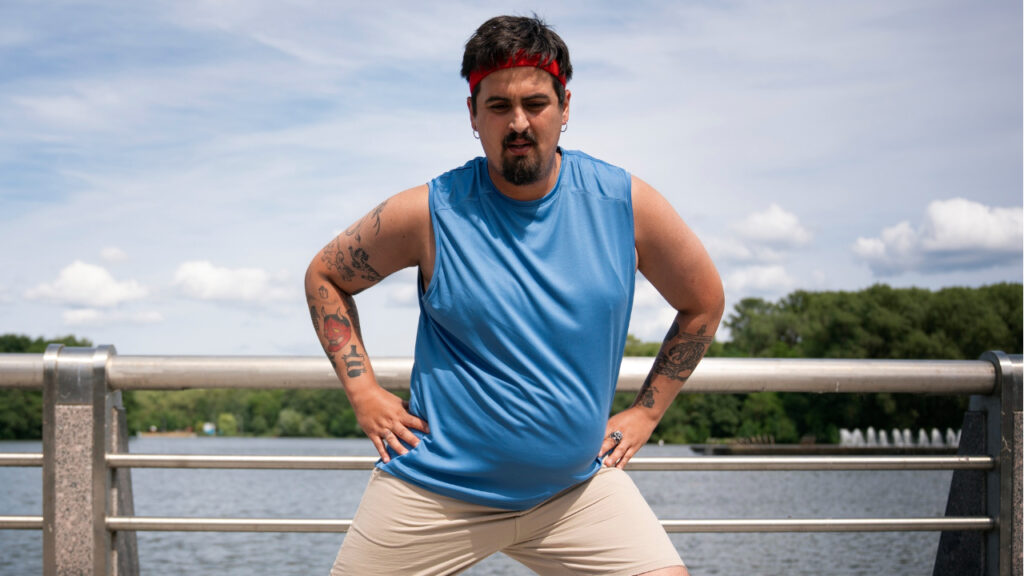
Weight loss occurs when your body weight decreases for any reason.
Weight loss comes from a few different sources. Some people lose weight by eating fewer calories. Others lose water weight. Some lose muscle or fat.
Water loss happens fast. When you cut carbs, your body burns stored glycogen. This process releases water from your cells. You see the scale drop quickly, but you didn’t lose fat.
Muscle breakdown occurs when the body lacks enough protein or energy. It breaks down muscle tissue to get the fuel it needs. This slows your metabolism.
Fat reduction is the goal for most people. This happens when the body burns stored lipids for energy. It is a slower process than losing water.
Crash diets show this mix clearly. A person might lose ten pounds in one week. Most of that weight is water and lean muscle. Very little of it is actual fat loss. This is why the weight often comes back fast once normal eating starts.t.
This is why scale weight alone can be misleading.
How Fat Loss Happens in Fat Loss vs Weight Loss
Fat loss happens when your body burns stored fat for energy.
This typically requires:
- A moderate calorie deficit
- Strength training
- Balanced nutrition
- Consistent physical activity
The goal is to reduce fat while preserving muscle mass.
This process is slower than rapid weight loss but produces healthier and more sustainable results.
Body Composition in Fat Loss vs Weight Loss
Body composition refers to the ratio of fat, muscle, water, and bone in your body.
In Fat Loss vs Weight Loss, body composition matters more than total weight.
Two people can weigh the same but look completely different depending on their muscle and fat levels.
Improving body composition usually leads to better health and a more toned appearance.
Why the Scale Can Be Misleading in Fat Loss vs Weight Loss
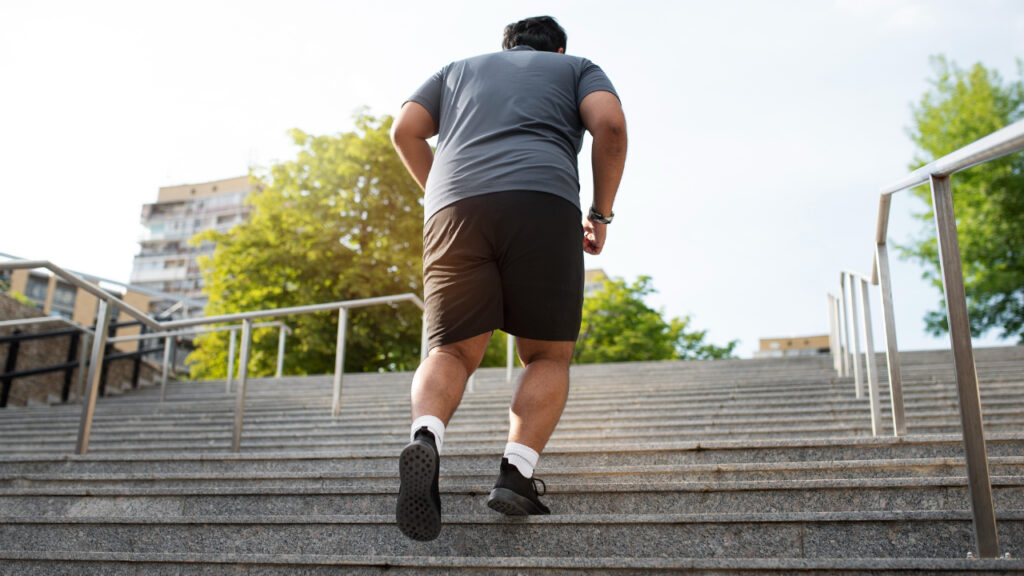
The scale does not tell the full story.
Daily weight changes do not always mean you gained or lost fat. Your scale tracks everything in your body, not just fat. Water retention causes quick shifts. High salt meals or hard workouts make your body hold more fluid. This can add a few pounds overnight.
What you eat also changes the number. Food stays in your gut before it digests. A heavy dinner can lead to a higher weight the next morning. Hormones play a role too. Many people see weight spikes during menstrual cycles because of fluid shifts.
Muscle gain changes the equation. Muscle is denser than fat. It takes up less space but weighs the same. You might see the scale stay still while your clothes fit better. This happens when you lose fat and build muscle at the same time. Your body composition changes even if the total weight does not move.e.
This is why progress photos, measurements, and how your clothes fit are often better indicators of progress.
Muscle Preservation in Fat Loss vs Weight Loss
Muscle preservation is one of the key differences in Fat Loss vs Weight Loss.
Losing muscle can slow your metabolism and reduce strength.
To preserve muscle during fat loss:
- Eat enough protein
- Include strength training
- Avoid extreme calorie deficits
Maintaining muscle helps create a healthier and stronger body.
Nutrition in Fat Loss vs Weight Loss
Nutrition plays a major role in both fat loss and weight loss.
For healthy fat loss:
- Focus on whole foods
- Eat balanced meals
- Maintain a moderate calorie deficit
- Prioritize protein intake
Extreme dieting may lead to rapid weight loss, but it is often difficult to maintain and can negatively impact health.
Exercise in Fat Loss vs Weight Loss
Exercise affects fat loss and weight loss differently.
Cardio helps burn calories and improve endurance.
Strength training helps preserve and build muscle while reducing fat.
The best approach combines:
- Strength training
- Cardio exercises
- Consistent activity levels
This combination supports long-term fat loss and overall fitness.
Common Mistakes in Fat Loss vs Weight Loss
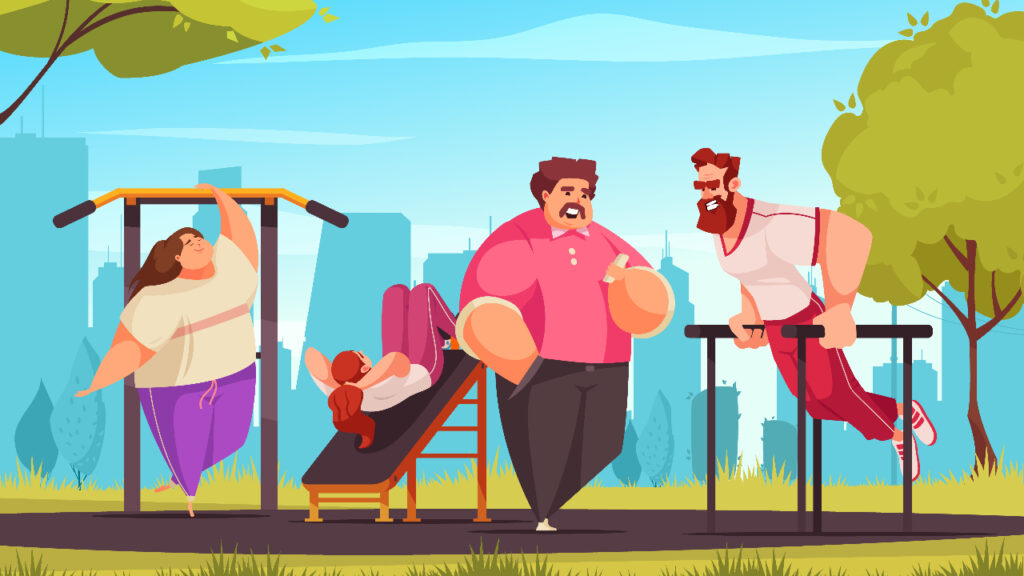
There are several common mistakes people make.
These include:
- Obsessing over scale weight
- Following crash diets
- Avoiding strength training
- Expecting quick results
These habits can lead to muscle loss and unsustainable progress.
A balanced and patient approach works best.
Which Is Better in Fat Loss vs Weight Loss
In most cases, fat loss is the healthier goal.
While weight loss may happen naturally during fat loss, focusing only on scale numbers can create unrealistic expectations.
Fat loss improves:
- Body composition
- Strength
- Metabolism
- Overall health
This makes it a more sustainable and beneficial approach.
How Long Fat Loss vs Weight Loss Takes
Healthy progress takes time.
Rapid weight loss may seem appealing, but slow and steady fat loss is more sustainable.
Most experts recommend gradual progress through consistent habits rather than extreme measures.
Patience is key to long-term success.
Mental Health and Fat Loss vs Weight Loss
Your mindset matters.
Focusing only on weight can create frustration and unhealthy habits.
A healthier mindset includes:
- Focusing on strength and energy
- Celebrating small improvements
- Prioritizing long-term health
Fitness should improve both physical and mental well-being.
Building Sustainable Habits in Fat Loss vs Weight Loss

Sustainable habits are essential for lasting results.
Achieving a healthy lifestyle requires several core habits. You need consistent exercise, such as walking thirty minutes a day or lifting weights three times a week. Balanced eating is also key. This means filling your plate with proteins, fats, and vegetables instead of sugar and processed snacks.
Proper sleep allows your body to recover. Aim for seven to nine hours of quality rest each night to keep your mind sharp. You also need stress management tools. Try deep breathing or a short walk when work gets too hectic.
Small, temporary changes only produce short-term results. A crash diet might drop a few pounds quickly, but the weight often returns. Long-term habits create lasting progress. When you stick to these basics every day, you build a foundation that lasts for years.
Final Thoughts on Fat Loss vs Weight Loss

Fat Loss vs Weight Loss is about understanding what truly improves your health and fitness.
While losing weight may reduce the number on the scale, losing fat while preserving muscle creates better long-term results.
By focusing on healthy habits, balanced nutrition, and consistent exercise, you can achieve sustainable progress and improve overall well-being.
True fitness goes beyond the number on a scale. Weight loss is only one part of the picture. Real health means your heart works well and your muscles can handle a load. Strength helps you do daily tasks without getting tired. It means carrying groceries or lifting a child with ease. Being fit lowers your risk of disease. It keeps your bones dense and your joints moving. A lean body is great, but a strong body lasts longer. Focus on how you feel and what you can do. Balance your workouts to build power and stamina. That is how you get healthy.