

Strength Training for Beginners is one of the most effective ways to improve overall health, build muscle, increase confidence, and create long-term fitness habits. Many people assume strength training is only for athletes or bodybuilders, but in reality, it benefits everyone regardless of age or fitness level.
In 2026, strength training has become a key part of modern fitness because it supports not only physical appearance but also mobility, metabolism, and mental well-being. Beginners often feel overwhelmed when starting because of confusing information, complicated exercises, and unrealistic expectations. However, strength training does not need to be complicated to be effective.
This guide explains everything you need to know about Strength Training for Beginners, including how to start safely, essential exercises, common mistakes, and how to stay consistent for long-term results.
What Is Strength Training for Beginners
Strength Training for Beginners refers to exercises designed to improve muscle strength and endurance using resistance.
Resistance can come from:
- Bodyweight exercises
- Dumbbells
- Resistance bands
- Machines
- Barbells
The main goal is to challenge muscles so they adapt and become stronger over time.
For beginners, the focus should be on learning proper form, building consistency, and developing a strong foundation rather than lifting heavy weights immediately.
Why Strength Training for Beginners Matters
Strength Training for Beginners offers benefits that go far beyond appearance.
Some of the biggest advantages include:
- Increased muscle strength
- Better posture and stability
- Improved metabolism
- Stronger bones and joints
- Better energy levels
Strength training also supports mental health by improving confidence and reducing stress.
Building strength early helps create healthier long-term habits.
How Strength Training for Beginners Works

Strength Training for Beginners works by applying resistance to muscles.
When muscles are challenged, tiny muscle fibers break down and rebuild stronger during recovery.
This process is called muscle adaptation.
Commiting to a regular workout plan builds real change in your body. You gain strength as your muscles adapt to heavier weights or harder moves. This makes daily tasks like carrying groceries or lifting kids feel easy. Your endurance grows too. You can run further or swim longer without getting winded because your heart and lungs work better.
Training also changes your body composition. This means you lose fat and build lean muscle. You might not see a huge jump on the scale, but your clothes fit better and your muscles look more defined. These shifts do not happen overnight. Physical change is a slow process. It takes weeks and months of showing up. Patience is the only way to hit your goals. If you stay consistent, the results will come.
Best Exercises in Strength Training for Beginners
Beginners should focus on simple compound movements that target multiple muscle groups.
Important exercises include:
- Squats
- Push-ups
- Lunges
- Planks
- Rows
- Shoulder presses
These exercises help build full-body strength efficiently.
Mastering these movements creates a strong fitness foundation.
Full Body Routines in Strength Training for Beginners
Full-body workouts are ideal for beginners.
They allow you to train all major muscle groups several times per week without excessive complexity.
A simple routine may include:
- Squats for legs
- Push-ups for chest and arms
- Rows for back strength
- Planks for core stability
This balanced structure supports overall development.
Bodyweight Exercises in Strength Training for Beginners

Bodyweight training is an excellent starting point.
You can build a strong body without a gym membership or heavy metal weights. Bodyweight training uses your own mass to create resistance. Squats target the thighs and glutes. Push-ups work the chest, shoulders, and triceps. Glute bridges strengthen the posterior chain and hips. Mountain climbers add a cardio element while hitting the core. These moves create a full body workout. They improve balance and joint stability. You only need a small amount of floor space. This makes it easy to stay active at home or while traveling. Mixing these exercises helps you gain lean muscle and increase power.nt.
Bodyweight exercises also improve coordination and mobility.
They are convenient because they can be performed almost anywhere.
Gym Training in Strength Training for Beginners
Gyms provide access to additional equipment and exercise variety.
Beginners should focus on learning basic movement patterns before attempting advanced exercises.
Machines can help beginners understand movement mechanics, while free weights improve stability and coordination.
The goal is not to lift the heaviest weight possible but to train safely and consistently.
Home Workouts in Strength Training for Beginners
Home workouts are another effective option.
Many beginners prefer training at home because it feels more comfortable and flexible.
With minimal equipment or even just bodyweight exercises, you can build strength effectively.
Consistency matters more than location.
Proper Form in Strength Training for Beginners
Learning proper form is one of the most important aspects of Strength Training for Beginners.
Poor technique increases the risk of injury and reduces exercise effectiveness.
To improve form:
- Start with lighter resistance
- Move slowly and with control
- Focus on posture and alignment
Quality repetitions are more important than heavy weights.
Progressive Overload in Strength Training for Beginners
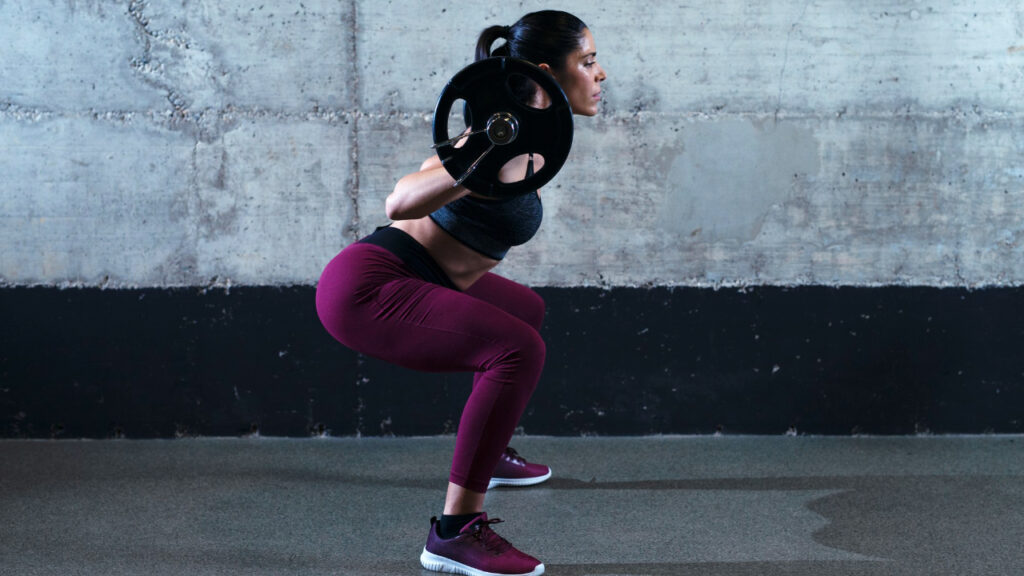
Progressive overload is the process of gradually increasing difficulty over time.
To keep your muscles growing, you must use progressive overload. This means you make your workouts harder over time. If you do the same thing every day, your body stops changing. You can add more reps to a set to build endurance. You might also use heavier weights or stronger bands to increase resistance. Some people change the move to a harder version. For example, you could move from regular push-ups to decline push-ups. You can also cut down on your rest time between sets. This keeps your heart rate up and stresses the muscles more. These small changes force your body to adapt. Your muscles tear and heal stronger to handle the new load. Without this steady increase, you hit a plateau.
Without progression, results eventually slow down.
Recovery in Strength Training for Beginners
Recovery is essential for muscle growth and injury prevention.
Important recovery habits include:
- Getting enough sleep
- Staying hydrated
- Eating balanced meals
- Taking rest days
Muscles grow during recovery, not during the workout itself.
Ignoring recovery can lead to fatigue and poor performance.
Nutrition in Strength Training for Beginners
Nutrition plays a major role in strength training success.
Beginners should focus on:
- Protein for muscle repair
- Healthy carbohydrates for energy
- Healthy fats for recovery
- Proper hydration
Balanced nutrition supports better performance and recovery.
Extreme diets are usually unnecessary for beginners.
Common Mistakes in Strength Training for Beginners
There are several mistakes beginners should avoid.
These include:
- Lifting too heavy too soon
- Ignoring proper form
- Skipping warm-ups
- Training inconsistently
- Expecting instant results
Avoiding these mistakes helps create sustainable progress.
Building Consistency in Strength Training for Beginners

Consistency is more important than perfection.
To keep your muscles growing, you must use progressive overload. This means you make your workouts harder over time. If you do the same thing every day, your body stops changing. You can add more reps to a set to build endurance. You might also use heavier weights or stronger bands to increase resistance. Some people change the move to a harder version. For example, you could move from regular push-ups to decline push-ups. You can also cut down on your rest time between sets. This keeps your heart rate up and stresses the muscles more. These small changes force your body to adapt. Your muscles tear and heal stronger to handle the new load. Without this steady increase, you hit a plateau.s.
You do not need a gym membership or expensive gear to start. Bodyweight exercises like push-ups and squats work well. You do not need a complex plan. Focus on your form first. This means moving your body the right way to avoid injury. Keep your back straight and your core tight.
Stay consistent. Work out three times a week and stick to it. Eat balanced meals with enough protein and vegetables to fuel your muscles. Use gradual progression. If ten push-ups become easy, try twelve. This slow increase builds strength without burning you out.
The hardest part is the first day. Start now. Stick with it over weeks and months. That is how you see real results.
Mental Benefits of Strength Training for Beginners
Strength training supports mental health as much as physical health.
Regular exercise can:
- Reduce stress
- Improve confidence
- Increase focus
- Boost mood and energy
Many beginners notice mental improvements even before physical changes become visible.
Long-Term Results in Strength Training for Beginners
Strength training produces long-term benefits when practiced consistently.
These include:
- Better mobility
- Improved posture
- Increased energy levels
- Healthier body composition
The earlier you begin, the easier it becomes to maintain lifelong fitness habits.
Final Thoughts on Strength Training for Beginners

Strength Training for Beginners is one of the best ways to improve health, build confidence, and create lasting fitness habits.
You do not need a gym membership or expensive gear to start. Bodyweight exercises like push-ups and squats work well. You do not need a complex plan. Focus on your form first. This means moving your body the right way to avoid injury. Keep your back straight and your core tight.
Stay consistent. Work out three times a week and stick to it. Eat balanced meals with enough protein and vegetables to fuel your muscles. Use gradual progression. If ten push-ups become easy, try twelve. This slow increase builds strength without burning you out.
The hardest part is the first day. Start now. Stick with it over weeks and months. That is how you see real results.