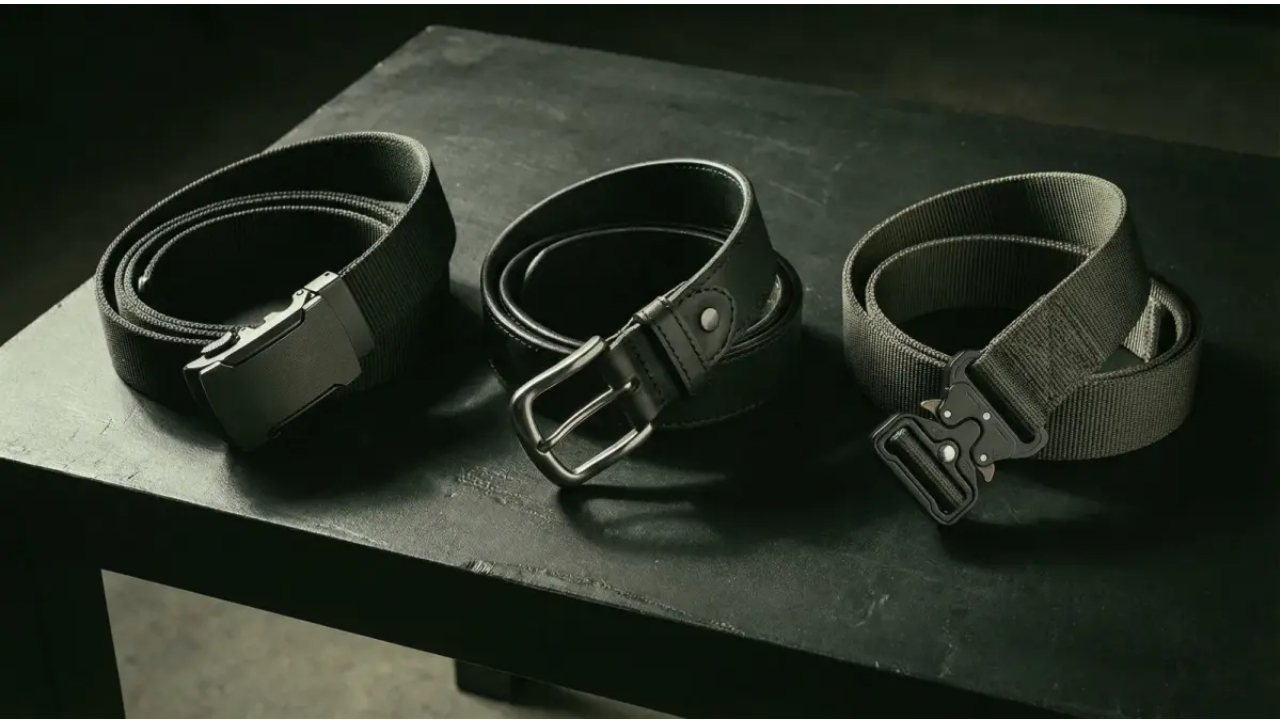
A well-chosen belt can quietly pull an outfit together. It sits at the waist, connects different parts of your clothing, and can make jeans, chinos, or tailored trousers look more intentional. Because it is such a familiar accessory, it is easy to buy one without thinking much about proportion, material, color, or comfort. That usually works until the belt feels too bulky, too formal, too casual, or simply out of place.
Choosing the right belt is really about understanding your wardrobe. You want something that works with the trousers you actually wear, complements your shoes, fits comfortably, and suits the occasions that fill your calendar. A practical belt can become an everyday favorite, while a more distinctive belt can add personality when you want your outfit to stand out.
The good news is that you do not need a complicated set of rules. A few useful principles can make shopping much easier, especially when you know what details deserve your attention.
Start With Your Everyday Style

Begin with the clothes already hanging in your wardrobe. If jeans make up most of your casual outfits, a sturdy leather or woven belt may be more useful than an ultra-slim formal belt. If you spend most weekdays in tailored trousers, a refined style with understated hardware will probably get more wear.
Your lifestyle matters as well. Someone who works in a relaxed office may need one versatile belt for chinos and denim, while someone who attends formal events regularly may need a separate belt for dressier clothing. Think about the places you actually go rather than the lifestyle you imagine having.
It is also worth noticing your favorite colors. If your wardrobe is built around navy, grey, black, white, and denim, neutral accessories will fit naturally. If you wear earthy shades, warmer browns and tans may blend beautifully.
Personal style should remain part of the decision. Minimalists may prefer clean lines and simple buckles, while someone with a more expressive wardrobe might enjoy texture or vintage-inspired hardware. There is no universal belt that looks right on everyone. The strongest choice is one that feels consistent with how you already dress.
The right belt should feel like a natural part of that routine.
Choose a Balanced Width
Width changes the visual character of a belt. Slimmer belts usually look polished and discreet, making them suitable for dress trousers and more refined outfits. Wider styles tend to feel relaxed and substantial, which is why they often work well with denim, boots, and casual clothing.
The belt loops on your trousers provide a practical limit. A strap that barely fits through them can be frustrating, while one that is much narrower than the loops may look slightly lost. Whenever possible, check the loop size before buying.
Proportion matters more than following a rigid measurement. Look at the complete outfit rather than judging the belt by itself. A heavier pair of jeans can support a stronger belt, whereas lightweight trousers may look better with something more restrained.
Your own proportions can guide the decision too. The goal is not to follow a strict body-type formula. Instead, look for visual balance from your shoes to your trousers and up toward your shirt or jacket. Trying different widths in front of a mirror is often more useful than memorizing a rule.
A dependable belt can make that balance easier to maintain.
Coordinate It With Your Shoes
Matching the belt to your shoes is one of the easiest traditional styling principles. For formal clothing, it remains especially useful. Black footwear generally looks most polished with black leather, while brown shoes pair naturally with a compatible brown shade.
The colors do not have to be perfectly identical. In fact, slightly different tones can look more natural than trying to create an exact match. What matters is that the colors and finishes appear to belong together.
Casual outfits allow more freedom. Sneakers, denim, and relaxed trousers do not require the same level of coordination as a suit. A woven or canvas belt can add texture without needing to mirror your footwear.
When you own several shades of brown shoes, look for a flexible middle-ground color instead of buying a separate belt for every pair. A rich dark brown can work with many outfits, especially when your wardrobe contains earthy neutrals.
Pick the Right Material
Material affects appearance, comfort, and durability. Leather remains a classic because it can move between different levels of dress and often develops character with use. Smooth leather usually feels more formal, while textured or distressed finishes can work nicely with denim and boots.
Quality leather does not need to look flashy. In many cases, a simple surface and good construction create a more expensive-looking result than decorative details. Pay attention to how flexible the material feels and whether the edges are finished neatly.
Casual materials have their place too. Canvas, woven fabric, elastic, and modern synthetic materials can be useful for relaxed outfits, travel, warm weather, or active days. They can also introduce texture when an outfit feels too plain.
Think about the environment where the belt will be used. A heavy leather belt may be perfect for winter outfits but feel unnecessary with lightweight summer clothing. Having different materials for different situations can be more practical than expecting one piece to do everything.
A reliable belt should also suit the way you move through your normal day.
Pay Attention to the Buckle
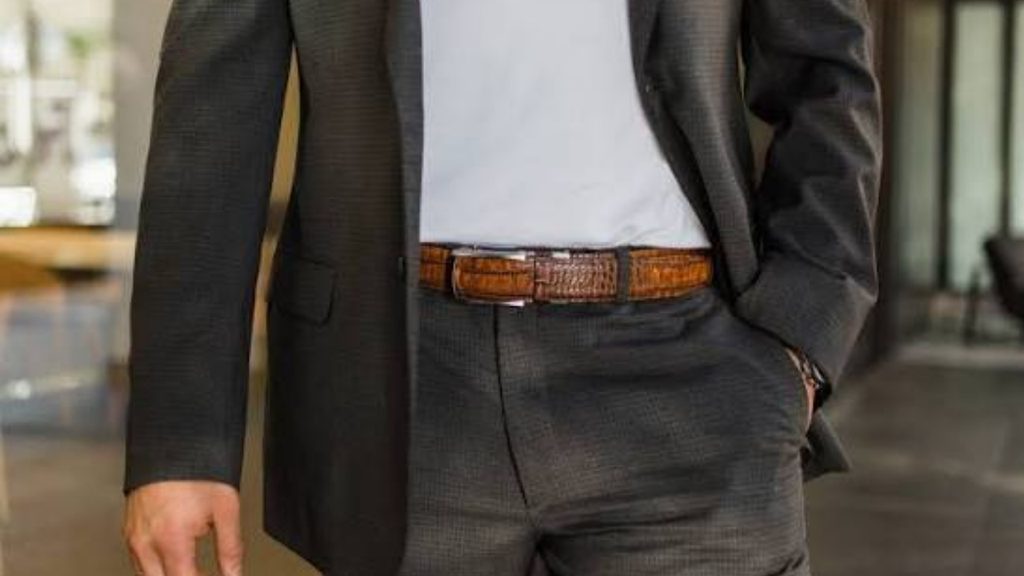
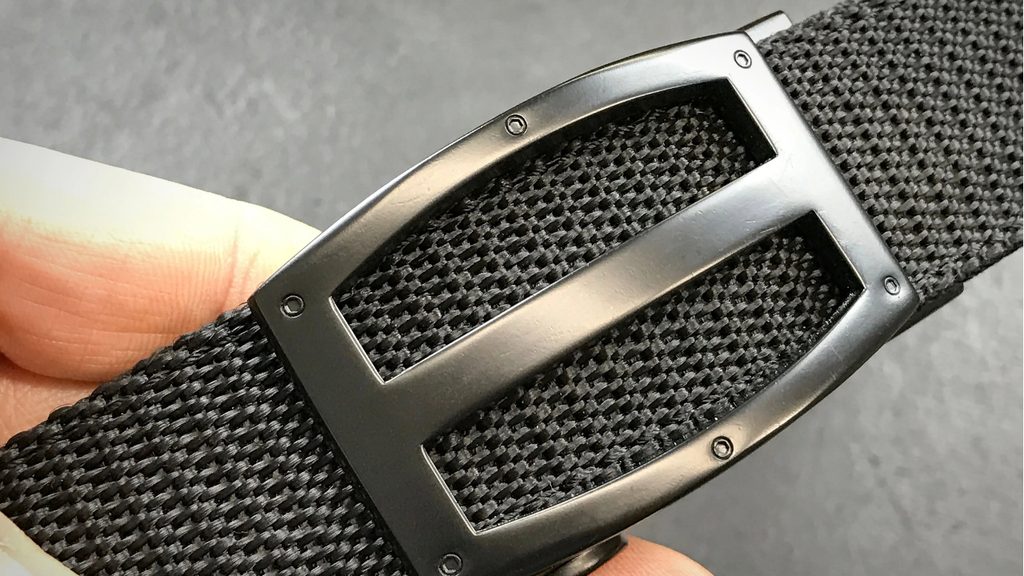
The buckle often becomes the most visible detail, so its shape and finish deserve attention. A simple rectangular buckle usually feels versatile and modern. Larger or decorative versions can create a stronger casual identity, while highly polished hardware tends to look more formal.
For everyday wear, understated hardware is usually easier to style. It can sit quietly against different shirts, jackets, and trousers instead of becoming the focal point. This is particularly useful when the rest of your outfit already contains noticeable patterns or accessories.
Metal finish can also influence the overall mood. Silver-toned hardware tends to feel crisp and contemporary, while brass or antique finishes can bring warmth and a more relaxed character. You do not need every metal detail in an outfit to match perfectly, but repeating a similar finish can create visual consistency.
Do not forget the mechanism. Open and close the buckle several times when shopping. Check that it feels secure and that the attachment between the strap and hardware does not seem weak. Good looks are useful only when the construction can handle regular wear.
The right belt also gives the waistline a cleaner finish.
Get the Size Right
A correct fit makes an enormous difference. Ideally, you should have several adjustment positions available rather than relying on the first or final hole. The middle area usually gives you the most flexibility as clothing layers and comfort needs change.
Do not automatically use your trouser size as your belt size. Different brands measure from different points, and the distance from the buckle to the holes can vary. Always check the manufacturer’s sizing information when buying online.
The tail should not be excessively long or so short that it struggles to reach the next loop. A clean amount of extra length keeps the waistline neat and makes the whole outfit feel more considered.
Try the belt while standing and sitting. Something that feels comfortable while you are upright can become restrictive at a desk or in a car. If you wear tucked-in shirts frequently, leave enough room for the extra fabric rather than choosing a fit that works only over a thin layer.
Match It to Your Trousers
Your trousers should influence the choice as much as your shoes do. Denim usually welcomes stronger textures and more substantial construction. Tailored trousers generally benefit from slimmer proportions and smoother finishes. Chinos sit somewhere in between and can accommodate many styles.
Look at the belt loops before buying. Some jeans have large, sturdy loops that suit a substantial strap, while dress trousers may have narrower loops. The belt should sit naturally inside the loops without bunching or sliding around.
Think about your most frequently worn colors too. A versatile neutral can cover a surprisingly large portion of a wardrobe. Black is useful with monochrome clothing, while brown works beautifully with denim, beige, cream, olive, and other warm neutrals.
You can also use contrast intentionally. A lighter brown against dark denim can add warmth, while a dark belt can sharpen an otherwise relaxed combination. Contrast is not automatically a mistake; it simply needs to look deliberate.
Consider the Level of Formality
Every belt carries a certain level of formality. Smooth leather, restrained stitching, a modest buckle, and a slim profile usually feel more appropriate for business or formal settings. Chunkier construction, visible texture, and larger hardware tend to feel more casual.
For a formal outfit, simplicity usually wins. You want the belt to support the trousers rather than compete with your shirt, jacket, watch, or shoes. A clean belt can make the entire waistline look polished without drawing unnecessary attention.
Smart-casual clothing gives you more freedom. A medium-width leather belt can work with chinos, dark denim, loafers, boots, and button-down shirts. This category is where versatility becomes especially valuable.
Before leaving home, consider the occasion. The same belt that looks excellent with weekend denim may feel too relaxed for a formal dinner. Matching the level of formality keeps the outfit coherent.
Explore More Than Black and Brown
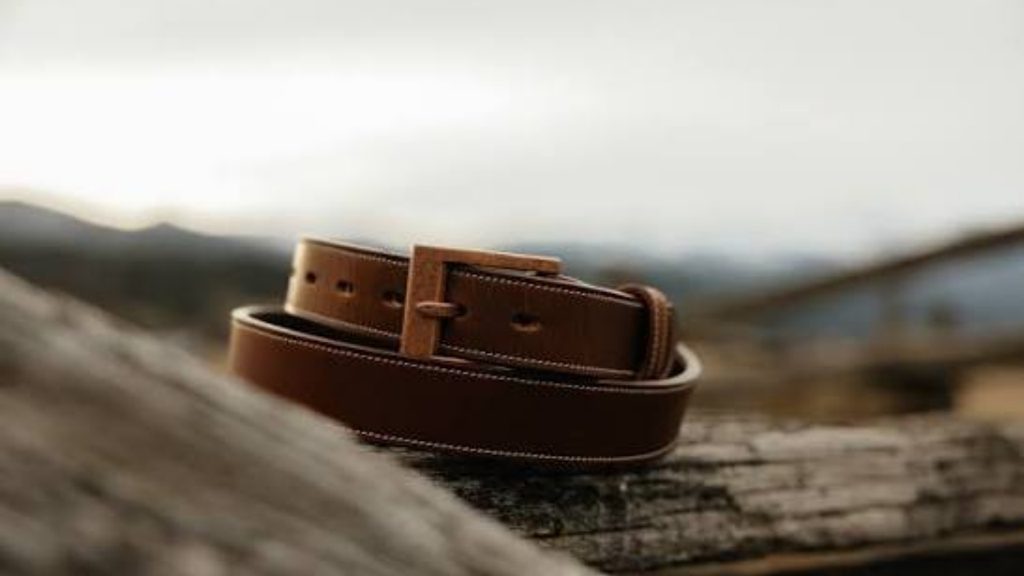
Black and brown are dependable starting points, but color can make casual outfits more interesting. Navy, tan, burgundy, olive, and muted woven shades can all work when they relate to the rest of your clothing.
The key is wearability. A distinctive color should still have several possible outfits behind it. If you can imagine pairing it with denim, chinos, casual shirts, jackets, and your usual footwear, it is more likely to earn its place in the wardrobe.
Warm colors can work especially well with earthy clothing. Cooler shades may complement navy, grey, and crisp white. These are not hard rules, but they provide a useful starting point when you are experimenting.
Build the neutral foundation first. Once you have reliable everyday options, a more unusual color becomes an enjoyable styling choice rather than something you need to force into every outfit.
Check the Construction Quality
Look closely at the small details. Examine the stitching, edges, buckle attachment, holes, and overall finish. These areas often tell you more about durability than a label or a high price.
Stitching should look secure and consistent, particularly around points that receive tension. The edges should feel reasonably smooth rather than rough or unfinished. The buckle should remain stable instead of wobbling when you move it.
With leather, flexibility is worth considering. A quality strap should feel substantial without being painfully rigid. Extremely thin material can lose its shape, while very stiff leather may take longer to become comfortable.
Price can provide a clue, but it should not be your only test. Consider how frequently you will wear the item and whether the construction justifies the cost. Spending a little more on something you will use constantly can make sense, but an expensive logo does not automatically mean better workmanship.
A well-made belt can handle those everyday demands without fuss.
Make Comfort a Priority
A belt can look perfect and still be wrong if it is uncomfortable. Since you may wear it for hours at a time, small issues can become surprisingly irritating.
Try it with the trousers and shirts you normally wear. Sit down, walk around, and bend slightly. It should keep everything secure without squeezing your waist or making movement awkward.
The buckle affects comfort as well. Large or sharply shaped hardware may press against your stomach when sitting, particularly during long drives or workdays. A flatter belt can be much easier to live with.
Climate is another consideration. Lightweight woven materials can feel appealing during hot weather, while leather may be more useful during cooler seasons. There is nothing excessive about owning different options when each serves a clear purpose.
Build a Small Collection
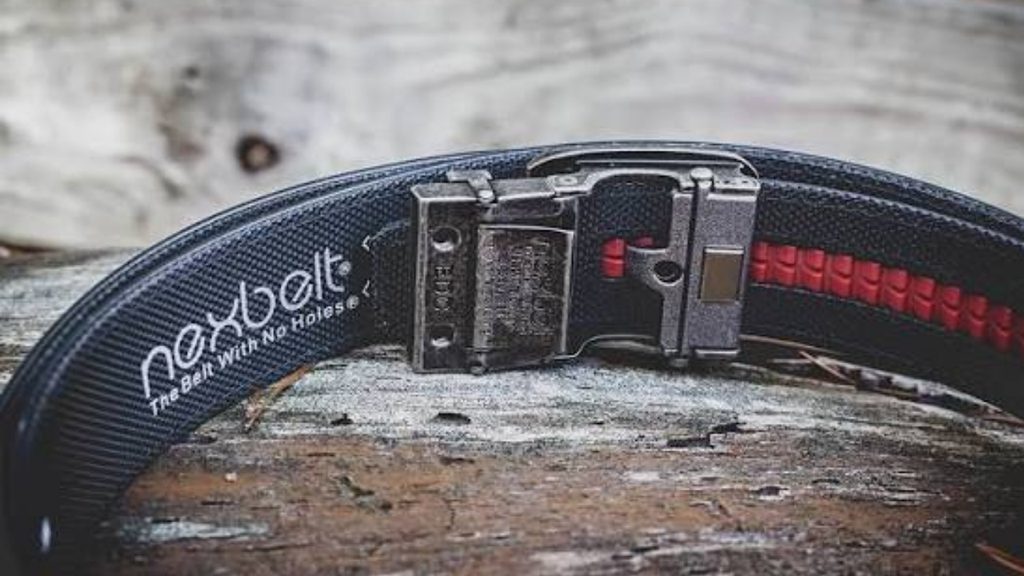
You do not need dozens of choices. A small collection can cover most situations if every piece has a clear role.
Start with a refined neutral option for smarter clothing. Add a brown version if your wardrobe includes plenty of denim, chinos, boots, or warm neutrals. Then consider a casual woven or canvas style for weekends and relaxed outfits.
After that, buy only when you notice a genuine gap. Perhaps you need something lighter for summer, something more formal for work, or a particular color to complement shoes you wear often. Shopping around actual needs keeps the collection useful.
A versatile belt can earn its place quickly when it works across several outfits.
A compact wardrobe also makes mornings easier. When every belt has a purpose, you spend less time debating what works and more time putting together an outfit that feels natural.
Avoid Common Shopping Mistakes
One of the easiest mistakes is judging a belt on its own. A belt can look impressive in a store but become difficult to wear with the clothes you already own. Always picture several complete outfits before buying.
Another mistake is ignoring measurements. Guessing your size can lead to an awkward fit, an overly long tail, or too little room for adjustment. Take a minute to check the manufacturer’s guide instead.
Some shoppers also focus heavily on price. Buying the cheapest option repeatedly can cost more over time if the material stretches, cracks, or loses its shape. At the same time, spending a large amount does not guarantee quality. Look at construction first.
Finally, do not let trends dictate every purchase. Fashion changes quickly, but a clean, well-made belt can remain useful for years. Choose modern details when you like them, but make sure the underlying belt fits your personal style.
A belt that works with your favorite clothes will usually get more use than a trend-driven purchase.
Create a Sharper Final Look
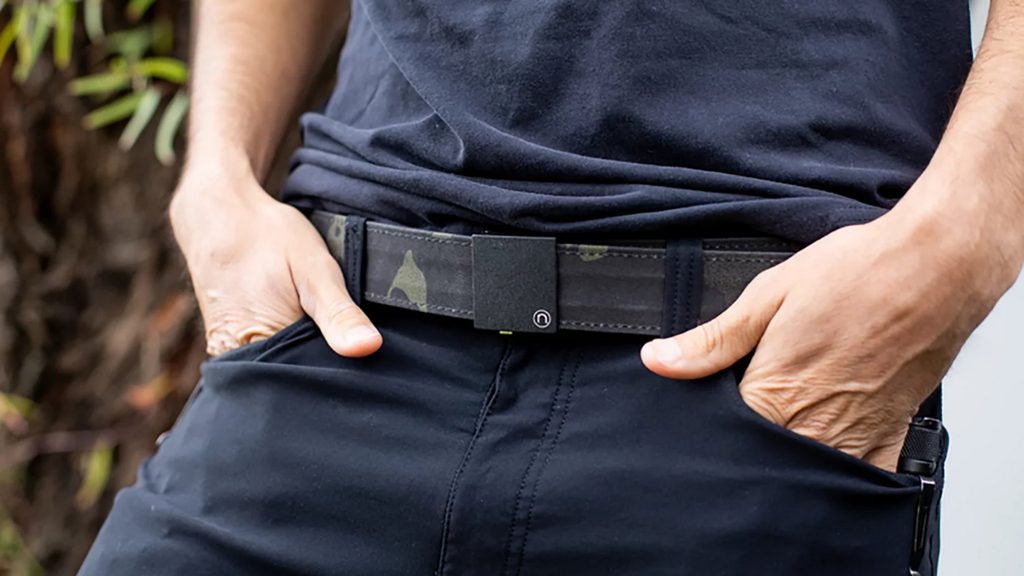
The best choice is the one that works with your real wardrobe, not an imaginary one. Think about the trousers you wear most, the shoes you own, the settings you visit, and the level of comfort you expect throughout the day.
Start with versatility and good construction. Once those basics are covered, you can experiment with color, texture, hardware, and more distinctive designs. This approach gives you room to develop your style without filling your wardrobe with pieces you rarely use.
Before making the final purchase, check the fit, buckle, material, finish, and compatibility with your clothes. Try to imagine at least three outfits you could wear it with. If those combinations come easily, you are probably making a useful choice.
A great belt does not need to dominate an outfit. Its job is often much quieter. When the proportions, color, material, and fit work together, the belt simply makes the clothing around it look more deliberate. That small detail can be enough to turn an ordinary combination into a sharp, modern outfit.
Nexbelt is worth considering when you want a modern belt that combines practical design with a clean, polished look. Before making your next purchase, it is also smart to check for available discounts and promotions, and Eva’s Hike provides 100% Verified Nexbelt coupon codes to help shoppers save on eligible purchases.