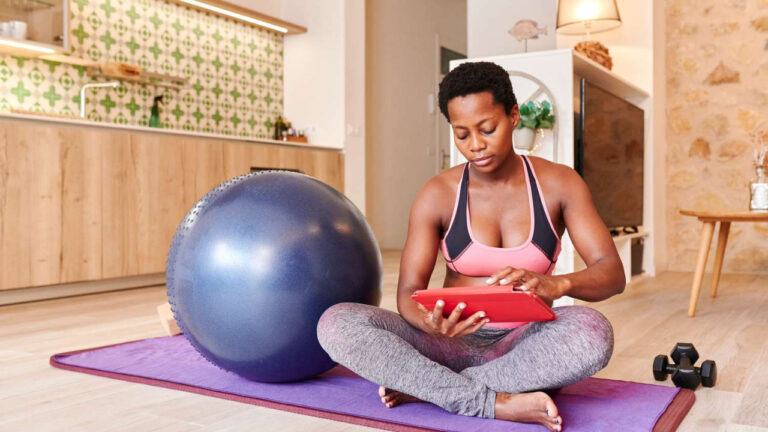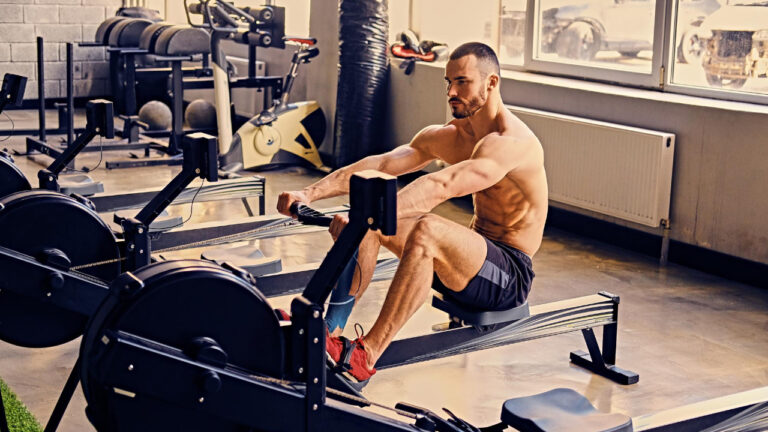
Home Workouts are one of the most effective ways to stay fit without needing a gym membership or expensive equipment. In 2026, more people are choosing to work out at home because of convenience, flexibility, and the ability to stay consistent without travel or time constraints.
The biggest misconception is that you need machines or weights to get results. In reality, bodyweight exercises can build strength, improve endurance, and help you stay in great shape when done correctly.
This guide will walk you through Home Workouts that actually work, showing you how to train effectively using just your body weight and a small amount of space.
What Makes Home Workouts Effective
Home Workouts become effective when they are structured properly.
The key factors include:
- Consistency in training
- Proper exercise form
- Balanced routines targeting all muscle groups
- Progressive overload over time
Many people fail to see results because they do random exercises without a plan. A structured approach ensures that your body continues to improve.
Benefits of Home Workouts
Home Workouts offer several advantages over traditional gym training.
They save time since there is no need to commute. They are also cost-effective because you do not need to pay for memberships or equipment.
Another major benefit is flexibility. You can work out at any time that suits your schedule.
Home workouts also reduce intimidation, making them ideal for beginners who prefer a private environment.
Full Body Home Workouts Routine

A full-body routine is one of the best ways to structure Home Workouts.
A simple routine includes:
- Squats for legs
- Push-ups for chest and arms
- Planks for core
- Lunges for lower body strength
- Mountain climbers for cardio
Do these exercises one right after the other in a circuit. Take short breaks, just 30 seconds or less between each. This setup pumps your heart rate high the whole time. Your body works hard nonstop. Fat burns quick. Cardio power grows strong. Total fitness jumps up—strength, speed, and staying power all get better.
Picture this: Start with squats for 45 seconds. Jump to push-ups next. Then hit jumping jacks. Repeat the loop three times. No long sits around. A study from the American College of Sports Medicine found circuits torch up to 30 percent more calories than slow jogs alone. Top trainers push this method. It fits busy days. You question rest needs? Short pauses recover just enough to keep going hard. No weak spots left. Full body levels up fast.
Upper Body Home Workouts
Upper body strength is essential for daily activities.
Effective Home Workouts for the upper body include:
- Push-ups
- Pike push-ups
- Tricep dips using a chair
- Arm circles
These exercises target the chest, shoulders, and arms without requiring equipment.
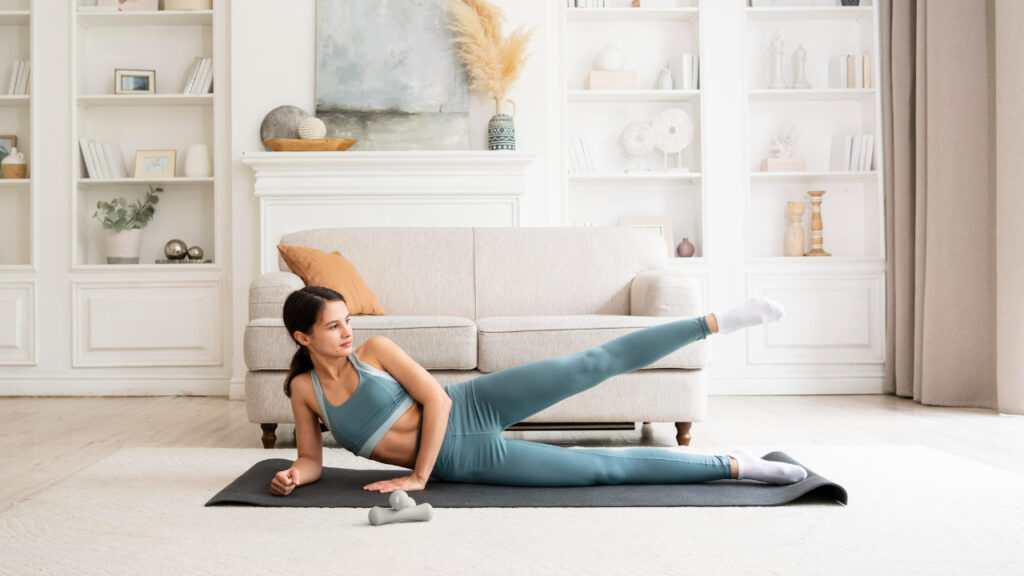
Lower Body Home Workouts
Lower body training builds strength and stability.
Key exercises include:
- Squats
- Lunges
- Glute bridges
- Calf raises
These movements help improve balance and support overall body strength.
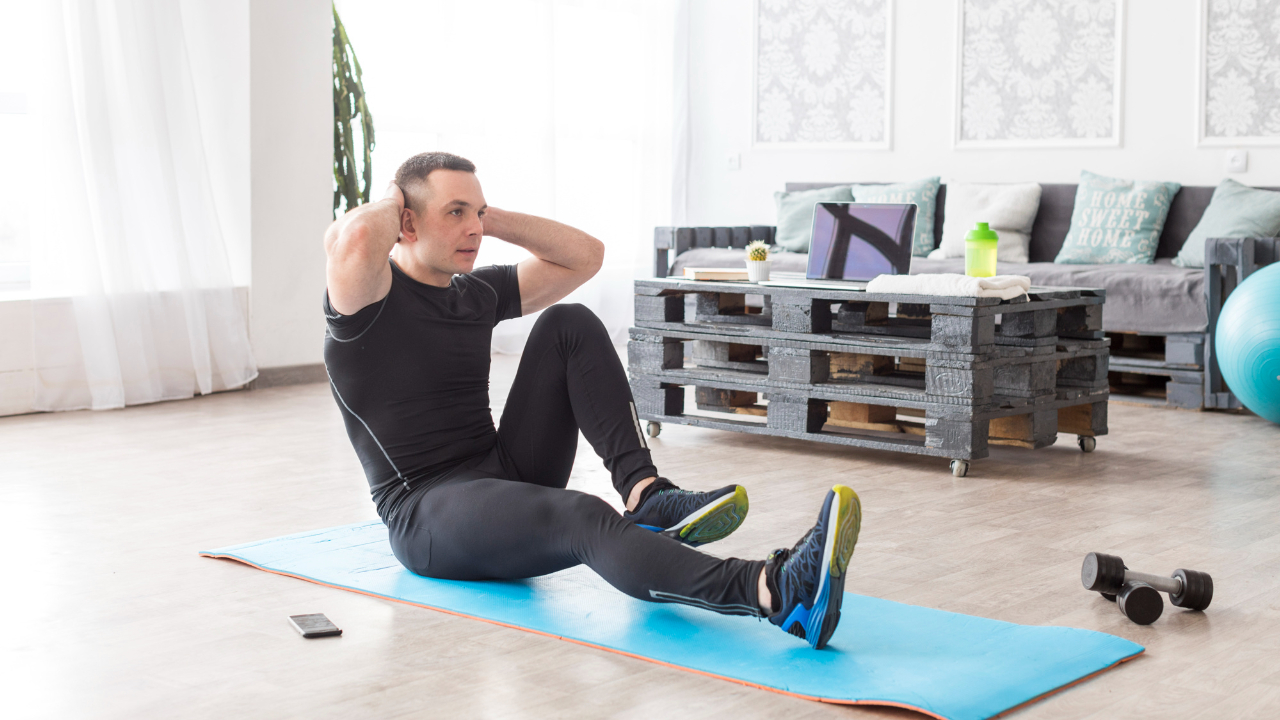
Core Training in Home Workouts
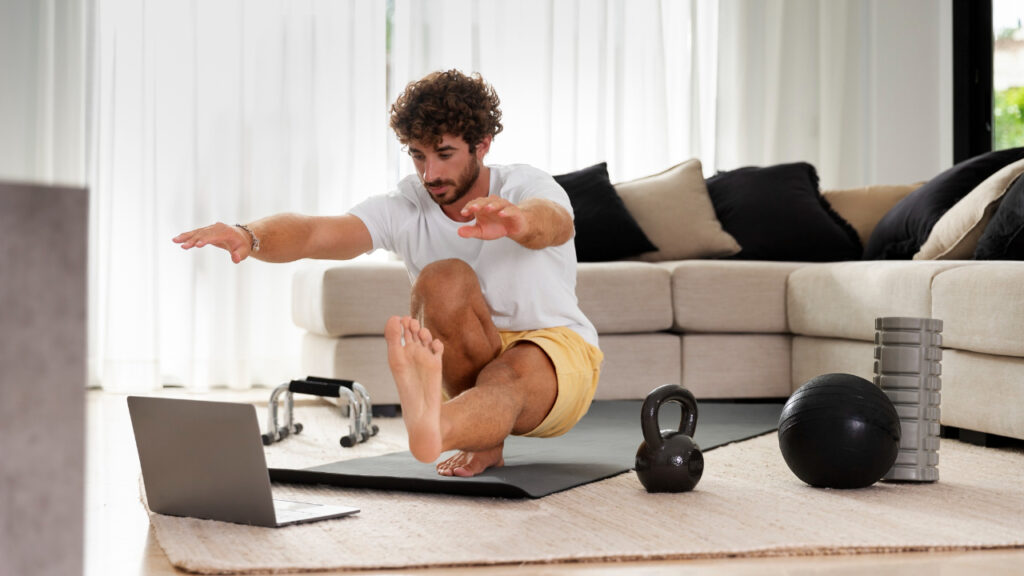
Core strength is crucial for posture and stability.
Effective exercises include:
- Planks
- Leg raises
- Bicycle crunches
- Russian twists
A strong core lifts your results in every workout you do. Your core includes the abs, obliques, lower back muscles, and even glutes. These form a tight belt around your midsection. They keep your spine stable and transfer power from legs to upper body.
Think squats. A solid core locks your torso straight. You lift heavier weights without your back rounding. Deadlifts work the same way. Core strength guards your spine. It lets you pull max loads safely.
Pushups demand core power too. Weak abs make hips sag. Strong ones keep your body plank-straight. You crank out more reps. Overhead presses? Core stops you from arching back. That means cleaner lifts and bigger gains.
Running or jumping? Core cuts side sway. You run faster with better balance. Sports like basketball need it for quick cuts. No core, and you tire quick or get hurt.
Trainers see this all the time. Guys skip core work, then plateau on bench or squats. Add planks and twists. Watch squats jump ten pounds easy. Core fires first in most moves. It sets the base for power.
Injury drops too. Weak core strains backs in daily lifts. Build it, and you train harder, longer. Every exercise wins.
Cardio Home Workouts Without Equipment
Cardio is important for heart health and fat loss.
You can include:
- Jumping jacks
- High knees
- Burpees
- Mountain climbers
These exercises increase your heart rate and burn calories efficiently.
Creating a Weekly Home Workouts Plan
A structured plan helps you stay consistent.
A simple weekly plan could be:
- Day 1: Full body workout
- Day 2: Cardio and core
- Day 3: Rest or light activity
- Day 4: Upper body
- Day 5: Lower body
- Day 6: Cardio
- Day 7: Rest
This balance ensures recovery while maintaining progress.
Progressive Overload in Home Workouts
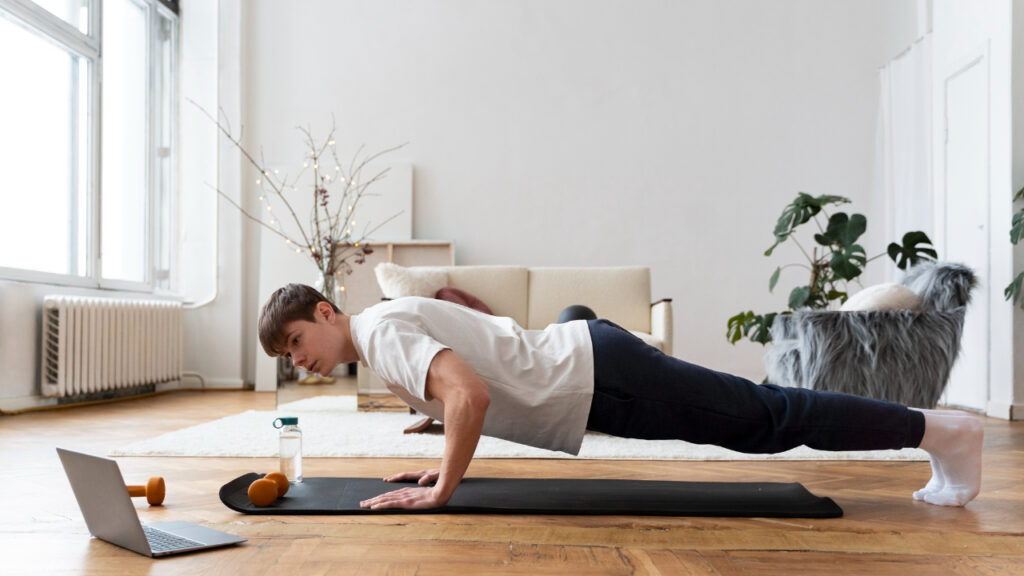
To see results, you need to challenge your body.
Ways to apply progressive overload include:
- Increasing repetitions
- Adding more sets
- Reducing rest time
- Improving exercise difficulty
Progression makes your workouts stay strong and useful as time goes on. Your body gets smart. It adapts to the same old stress fast. Do the exact same squats, runs, or lifts week after week? Gains stall. Muscles, strength, and stamina stop growing. That’s a plateau. No fun.
Push forward with small changes. Add a few more reps. Bump up the weight by five pounds. Shorten rest times between sets. Run an extra half mile. Or try harder variations, like pistol squats after basic ones. These steps overload your muscles just right.
Start simple. A newbie might curl ten-pound dumbbells for ten reps. In four weeks, they hit fifteen pounds for twelve reps. Boom—arms grow bigger, stronger. Runners go from two miles at a ten-minute pace to three miles at nine minutes. Endurance builds.
This overload principle rules fitness. Your body responds to bigger demands by getting tougher. Skip it, and routines turn boring and weak. Track your lifts in a notebook or app. Test limits weekly. Rest when sore. Eat well. Progression turns average workouts into lifelong wins. Stay consistent. Watch results stack up.
Common Mistakes in Home Workouts
There are several mistakes to avoid.
These include:
- Skipping warm-ups
- Poor exercise form
- Inconsistent routines
- Not allowing enough recovery
Avoiding these mistakes helps you achieve better results.
Staying Motivated with Home Workouts
Motivation can be a challenge when working out at home.
To stay consistent:
- Set clear goals
- Track your progress
- Create a dedicated workout space
- Follow a routine
Consistency is more important than intensity.
Diet and Nutrition for Home Workouts
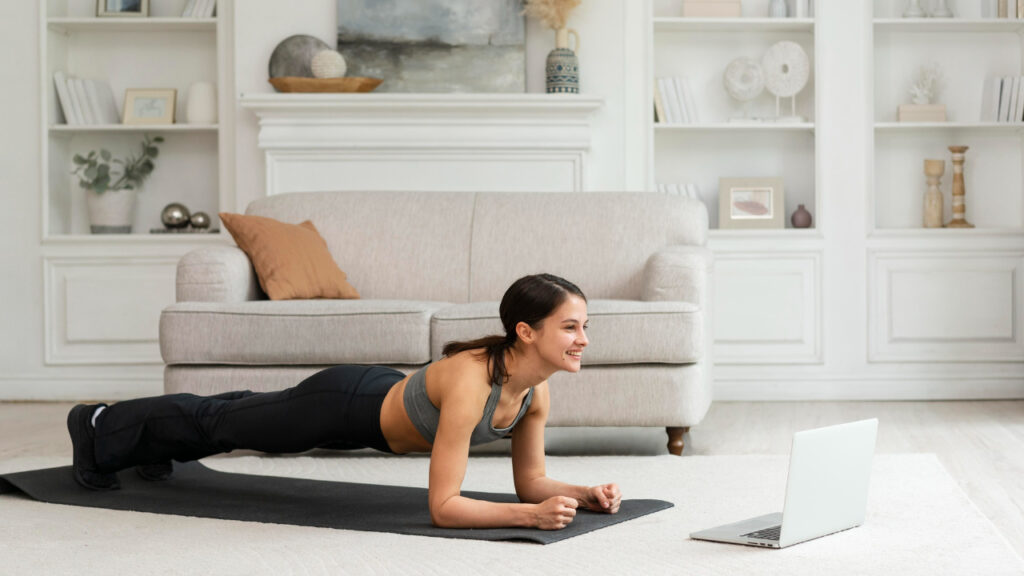
Exercise alone is not enough.
Proper nutrition supports your fitness goals.
Focus on:
- Balanced meals
- Adequate protein intake
- Staying hydrated
Good nutrition powers your workouts and makes them count more. Your body burns fuel during exercise. Right foods supply that fuel so you last longer and lift heavier. Think carbs from oats or sweet potatoes. They give steady energy without crashes.
Proteins rebuild muscles torn in tough sessions. Chicken, eggs, or beans help repair and grow stronger tissue. Vitamins from fruits fight fatigue. A lack of them leaves you sore and weak next day.
Skip junk food. It spikes blood sugar then drops you flat. Proper meals cut injury risk too. Hydrate with water or milk to keep joints smooth.
Trainers see it clear. Clients who eat well smash goals faster. Fuel up right. Watch your gains skyrocket.
Who Can Benefit from Home Workouts
Home Workouts are suitable for almost everyone.
They are ideal for:
- Beginners starting their fitness journey
- Busy individuals with limited time
- People who prefer privacy
- Those without access to a gym
With the right approach, anyone can benefit from home training.
Final Thoughts on Home Workouts
Home Workouts are a practical and effective way to stay fit in 2026.
By following a structured routine, maintaining consistency, and focusing on proper form, you can achieve great results without equipment.
Fitness skips the gym. It thrives on commitment. You show up every day, rain or shine. No skipping workouts because life gets busy. Discipline pushes you past the easy quit. That voice says rest? Ignore it. Grab a water bottle and go.
Think bodyweight moves. Push-ups build chest and arms right on your living room floor. Squats fire up legs without weights. Planks carve a strong core in seconds. Run trails near home. Climb stairs for cardio. Hike local paths on weekends.
Many chase gym memberships. They cost time and cash. Yet fit folks train anywhere. Park benches double as step-ups. Jump ropes fit in drawers. Pull-up bars hang from doorways.
Commitment means small daily wins. Track reps in a notebook. Set goals like ten more push-ups each week. Discipline fights off junk food temptations. Eat veggies and lean meats. Drink water, not soda.
Right approach matters most. Watch free videos for perfect form. Start slow to dodge injuries. Rest days heal muscles. Pair exercise with good sleep.
Doubts creep in? Everyone starts somewhere. Pros like street workout stars prove it. No fancy gear needed. Your body is the best tool. Pick a corner. Sweat now. Results follow.