The Annapurna Circuit Trek is one of the most legendary long-distance trekking routes in the world. Stretching across diverse landscapes in Nepal, this trek offers everything from lush subtropical forests to high-altitude deserts, all set against the dramatic backdrop of the Himalayas. Unlike many treks that focus on a single destination, the Annapurna Circuit is a complete journey that circles the Annapurna massif, delivering constant change, challenge, and unforgettable scenery.
For trekkers looking for variety, cultural richness, and a true sense of adventure, the Annapurna Circuit Trek stands out as a life-changing experience. It combines natural beauty, cultural immersion, and physical endurance in a way few treks can match.
What Is the Annapurna Circuit Trek?
The Annapurna Circuit Trek is a multi-day trekking route that circles the Annapurna mountain range in central Nepal. Traditionally, the full circuit takes between 14 to 20 days, depending on your pace, route variations, and acclimatization schedule.
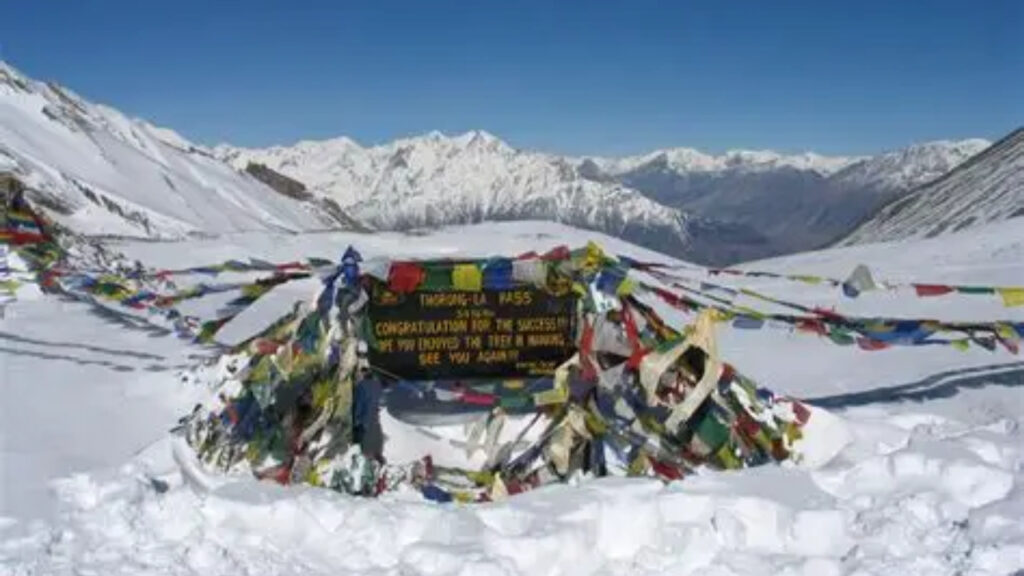
The trek reaches its highest point at Thorong La Pass, standing at 5,416 meters (17,769 feet). This is one of the highest trekking passes in the world and a major highlight of the journey. Along the way, trekkers pass through remote villages, river valleys, and dramatic mountain terrain.
What makes the Annapurna Circuit Trek unique is its incredible diversity. You start in warm, green lowlands and gradually move into alpine forests, then into barren high-altitude landscapes that resemble Tibet. This constant change keeps the journey exciting and visually stunning.
Why Choose the Annapurna Circuit Trek?
There are many reasons why the Annapurna Circuit Trek remains one of the most popular treks globally.
First, the scenery is unmatched. You get views of several major Himalayan peaks, including Annapurna I, Dhaulagiri, Machapuchare, and Manaslu. The landscapes shift dramatically every few days, offering something new at every stage.
Second, the cultural experience is deeply enriching. The trail passes through villages inhabited by Gurung, Thakali, and Tibetan-influenced communities. Each village has its own traditions, architecture, and way of life.
Third, the sense of achievement is powerful. Crossing Thorong La Pass is physically demanding, but reaching the top is incredibly rewarding.
Finally, the infrastructure is well-developed. Teahouses along the route provide food and accommodation, making the trek accessible even for those without camping experience.
Best Time to Do the Annapurna Circuit Trek
Choosing the right season is crucial for a successful Annapurna Circuit Trek.
The best time is during spring (March to May) and autumn (September to November). These months offer stable weather, clear skies, and excellent visibility of the mountains.
Spring brings blooming rhododendron forests and mild temperatures, while autumn offers crisp air and some of the clearest mountain views of the year.
Winter (December to February) is much colder, especially at higher elevations, and Thorong La Pass may be blocked by snow. Monsoon season (June to August) brings heavy rain, slippery trails, and limited visibility, making it less ideal.
Annapurna Circuit Trek Route Overview
The Annapurna Circuit Trek typically begins in Besisahar or Bhulbhule and ends in Jomsom or Pokhara, depending on your chosen itinerary.
A common route includes:
- Besisahar to Chame through lush forests and river valleys
- Chame to Manang with increasing altitude and mountain views
- Acclimatization days in Manang
- Trek to Yak Kharka and Thorong Phedi
- Crossing Thorong La Pass
- Descent to Muktinath and Jomsom
Many trekkers also extend their journey to Tatopani for natural hot springs or continue to Ghorepani for the famous Poon Hill viewpoint.
Annapurna Circuit Trek Duration
The Annapurna Circuit Trek usually takes between 14 and 20 days.
Shorter itineraries are possible due to road access in some sections, but rushing is not recommended. Proper acclimatization is essential for safety and enjoyment.
A balanced itinerary includes rest days, especially in Manang, allowing your body to adjust to the altitude before attempting Thorong La Pass.
Physical Preparation for the Annapurna Circuit Trek
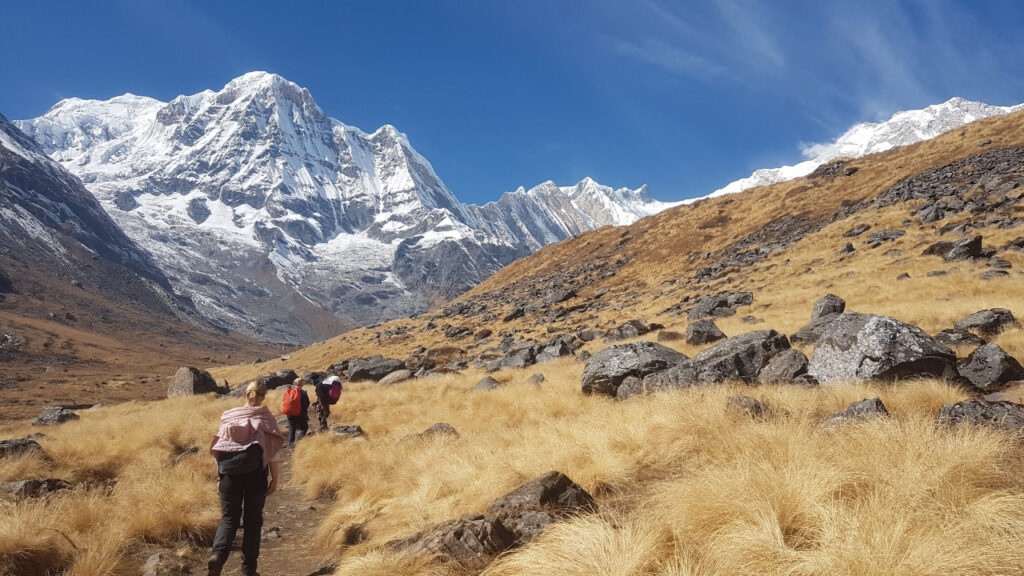
The Annapurna Circuit Trek is moderately to highly challenging, depending on your fitness level and experience.
Preparation should begin at least 6 to 8 weeks before your trek. Focus on:
- Cardiovascular endurance through running, cycling, or hiking
- Strength training for legs and core
- Practice hikes with a loaded backpack
- Building stamina for long walking days
You don’t need to be an athlete, but good physical fitness will make the trek much more enjoyable.
Altitude and Acclimatization on the Annapurna Circuit Trek
Altitude is one of the biggest challenges on the Annapurna Circuit Trek. As you ascend, the air becomes thinner, and your body needs time to adapt.
Symptoms of altitude sickness include headache, nausea, dizziness, and fatigue.
To reduce risk:
- Ascend gradually
- Take acclimatization days seriously
- Stay hydrated
- Avoid alcohol
- Listen to your body
Manang is a key acclimatization stop where trekkers often spend an extra day exploring nearby viewpoints.
Accommodation on the Annapurna Circuit Trek
Teahouses are the main form of accommodation along the Annapurna Circuit Trek.
These are simple lodges offering basic rooms, shared bathrooms, and communal dining areas. While facilities are basic, they provide warmth, food, and a chance to connect with fellow trekkers.
As you go higher, accommodations become more basic, and prices increase due to the difficulty of transporting supplies.
Food and Drink on the Annapurna Circuit Trek
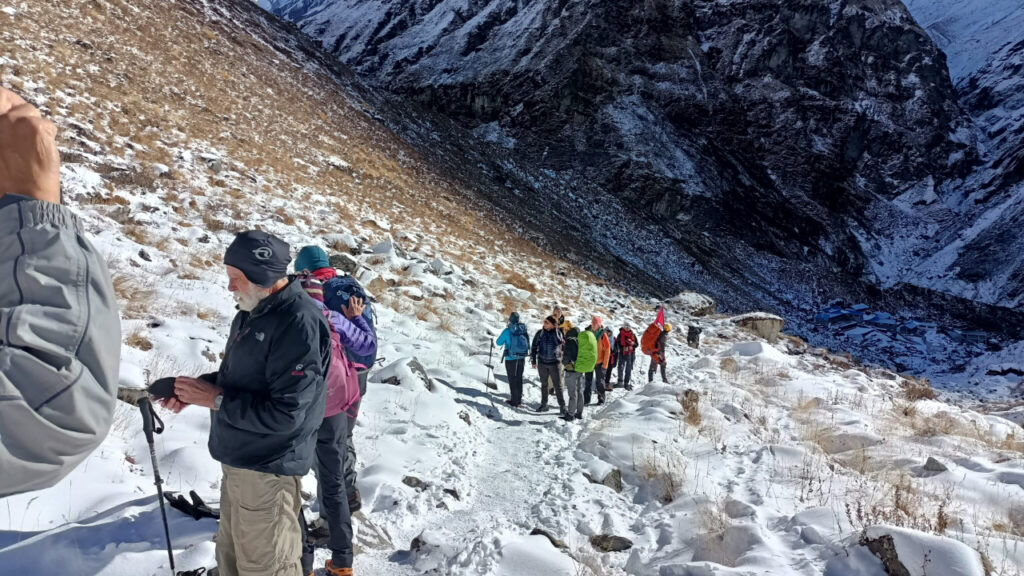
Food along the Annapurna Circuit Trek is hearty and designed to fuel long trekking days.
Common meals include:
- Dal Bhat (rice, lentils, vegetables)
- Noodles and soups
- Fried rice and pasta
- Pancakes and eggs for breakfast
Dal Bhat is especially popular because it is filling and often comes with free refills.
Safe drinking water is essential. Use purification tablets, filters, or buy boiled water at teahouses.
Essential Gear for the Annapurna Circuit Trek
Packing the right gear can make a huge difference.
Key items include:
- Layered clothing for changing temperatures
- Down jacket for cold conditions
- Waterproof jacket and pants
- Sturdy trekking boots
- Backpack with rain cover
- Sleeping bag for cold nights
- Trekking poles for stability
Packing light but smart is important, as you will carry your gear or rely on porters.
Cultural Experience on the Annapurna Circuit Trek
One of the most rewarding aspects of the Annapurna Circuit Trek is the cultural diversity.
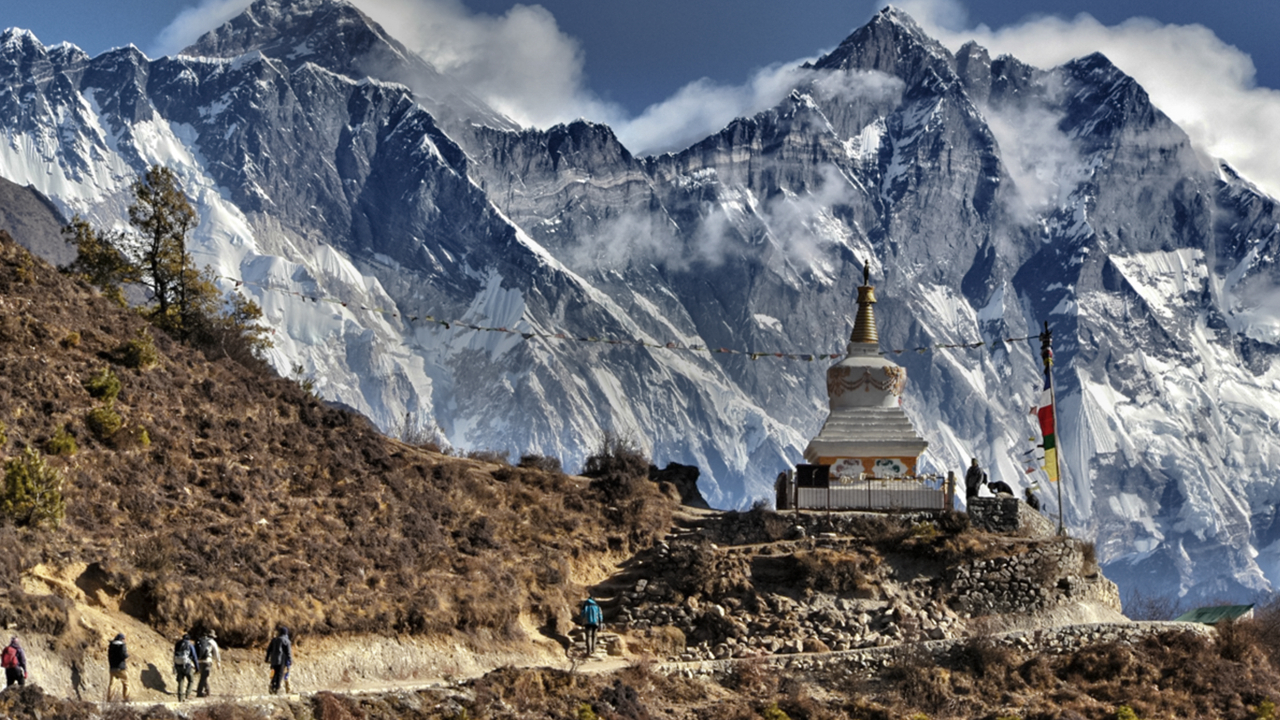
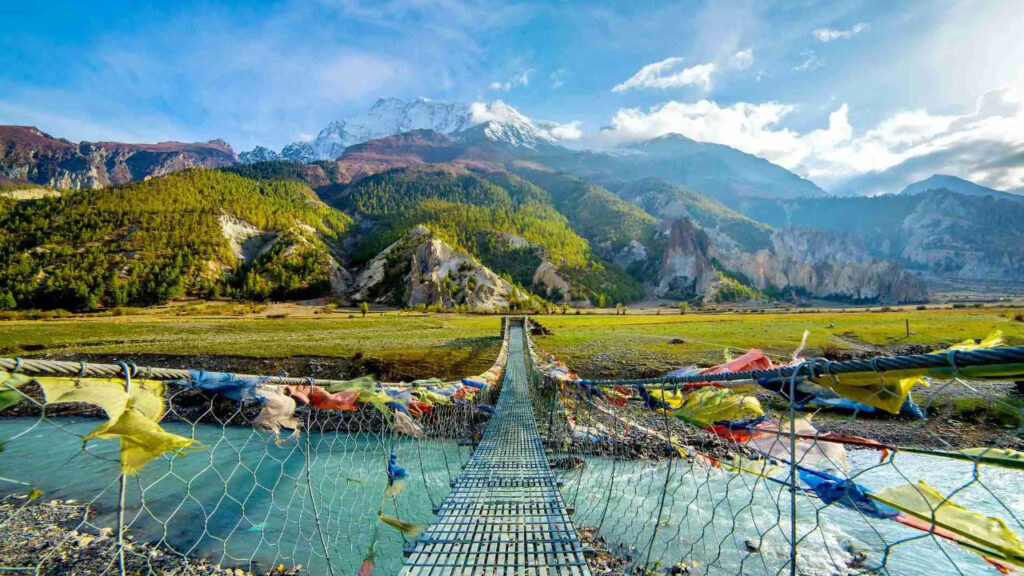
You will pass through Hindu and Buddhist communities, each with unique traditions. Prayer flags, monasteries, and chortens are common along the trail.
Villages like Manang and Muktinath offer deep insight into Himalayan life, where traditions have been preserved for generations.
Respect local customs by dressing modestly and being mindful of cultural practices.
Crossing Thorong La Pass
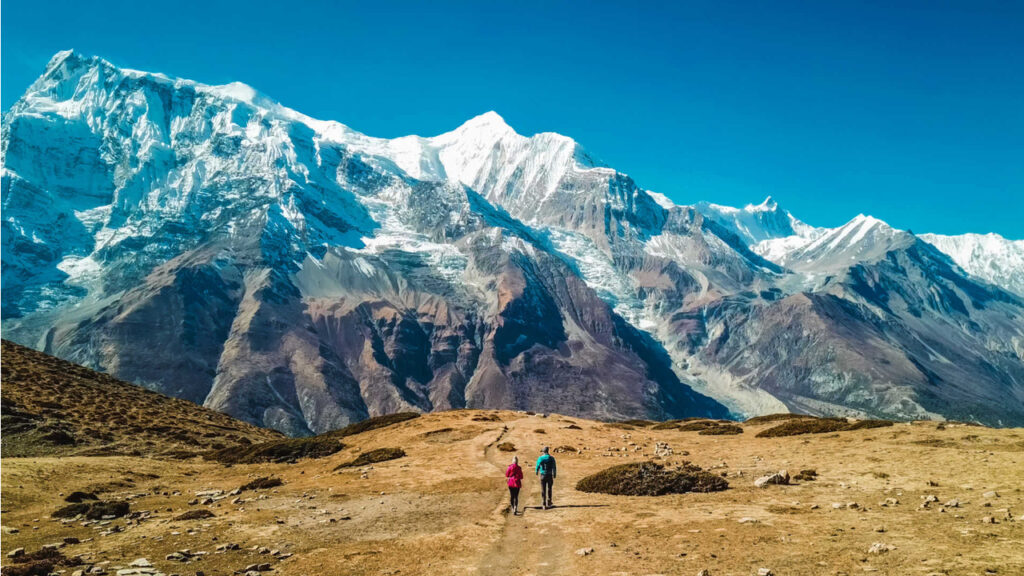
Thorong La Pass is the highest point of the Annapurna Circuit Trek and one of its biggest challenges.
The crossing usually begins early in the morning to avoid strong winds. The climb is steep and physically demanding, but reaching the top is an unforgettable moment.
The views from the pass are breathtaking, and the sense of achievement is immense.
The descent toward Muktinath is long but rewarding, with changing landscapes and warmer temperatures.
Budget for the Annapurna Circuit Trek
The cost of the Annapurna Circuit Trek varies depending on your style of travel.
On average, expect to spend between 1,000 and 2,000 USD, including:
- Permits
- Accommodation
- Food
- Transportation
- Guide and porter services
Budget travelers can spend less by trekking independently, while guided treks offer convenience and support.
Eco-Friendly Trekking on the Annapurna Circuit
The Annapurna region is a protected area, and responsible trekking is essential.
Follow these practices:
- Avoid plastic waste
- Carry reusable bottles
- Dispose of trash properly
- Stay on marked trails
- Respect wildlife and nature
Sustainable trekking helps preserve this beautiful region for future generations.
Final Thoughts on the Annapurna Circuit Trek
The Annapurna Circuit Trek is more than just a hike. It is a journey through some of the most diverse landscapes on Earth, a deep dive into Himalayan culture, and a true test of endurance.
From crossing high mountain passes to experiencing life in remote villages, every day brings something new. Whether it’s your first major trek or one of many, the Annapurna Circuit Trek offers an unforgettable adventure that stays with you long after the journey ends.