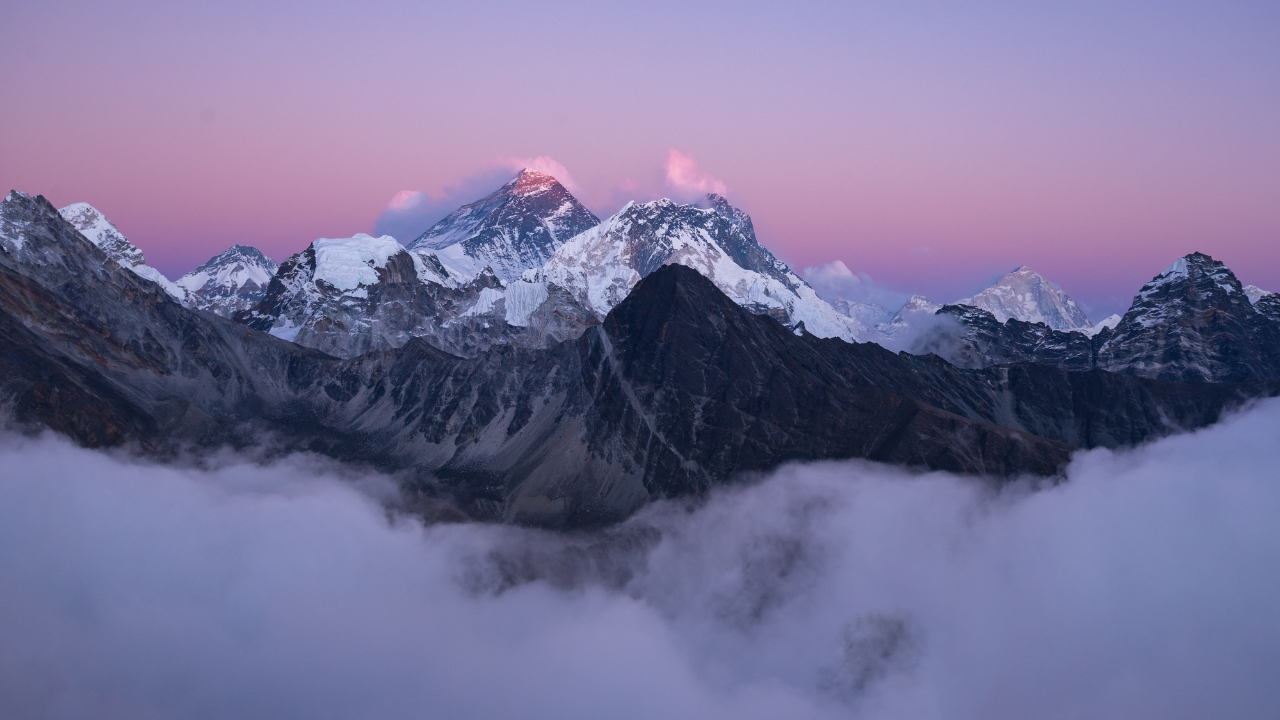
The Everest Base Camp Trek is one of the most iconic trekking experiences on the planet. Nestled deep in the Nepalese Himalayas, it draws adventurers, thrill-seekers, and nature enthusiasts who want to witness the majestic peak of Mount Everest, the tallest mountain in the world. For many, this journey is more than just a trek—it’s a physical challenge, a spiritual exploration, and a cultural immersion into the life of the Sherpa people.
Whether you are a seasoned trekker or a first-time Himalayan explorer, this guide will take you through everything you need to know about the Everest Base Camp Trek, including routes, preparation, gear, altitude considerations, cultural experiences, and more.
What Is the Everest Base Camp Trek?
The Everest Base Camp Trek is a high-altitude trekking route that leads to the base of Mount Everest, standing at 5,364 meters (17,598 feet). Starting from Lukla, a small town accessible via a short flight from Kathmandu, the trek passes through stunning Himalayan landscapes, Sherpa villages, dense rhododendron forests, and rugged mountain trails. The trek culminates at Everest Base Camp, where climbers from around the world prepare for their ascent.
This trek is popular because of:
- Spectacular mountain views, including Everest, Lhotse, Nuptse, and Ama Dablam
- Rich Sherpa culture, monasteries, prayer flags, and hospitable locals
- Adventure and challenge, from high-altitude trekking to unpredictable weather conditions
Best Time to Go on the Everest Base Camp Trek
The timing of your trek is essential for safety and maximum enjoyment. The best seasons are pre-monsoon (March–May) and post-monsoon (late September–November). During these periods, you can expect:
- Clear skies and breathtaking mountain panoramas
- Stable weather for trekking
- Blooming rhododendron forests in spring
The monsoon season (June–early September) is less ideal due to heavy rainfall, landslides, and slippery trails. Winter (December–February) brings extreme cold, snow, and limited accessibility to some areas.
Everest Base Camp Trek Routes: Classic vs. Alternative
There are two main trekking routes to reach Everest Base Camp:
Classic Route via Namche Bazaar
The most well-trodden route starts in Lukla and passes through:
- Phakding – the first trekking stop, gentle trails along the Dudh Koshi River
- Namche Bazaar – the Sherpa hub with markets and guesthouses
- Tengboche – home to the famous Tengboche Monastery
- Dingboche and Lobuche – higher-altitude villages for acclimatization
- Gorak Shep – final stop before Everest Base Camp
This route is ideal for first-time trekkers due to its well-established lodges, teahouses, and guided services.
Alternative Route via Gokyo Lakes
The Gokyo Lakes route is less crowded and perfect for trekkers seeking unique landscapes. Highlights include:
- Stunning turquoise glacial lakes
- Panoramic views of Everest and Cho Oyu
- A connection back to the classic route at Dingboche
Everest Base Camp Trek Duration
The trek typically lasts 12–16 days, depending on your pace and acclimatization. A sample itinerary includes:
- Day 1: Fly from Kathmandu to Lukla, trek to Phakding
- Day 2–3: Trek to Namche Bazaar and acclimatize
- Day 4–6: Trek to Tengboche and Dingboche
- Day 7–8: Trek to Lobuche, then Gorak Shep
- Day 9: Hike to Everest Base Camp and return to Gorak Shep
- Day 10–12: Descend back to Lukla
Extra acclimatization days are recommended at Namche Bazaar or Dingboche to reduce altitude sickness risks.
Physical Preparation for the Everest Base Camp Trek
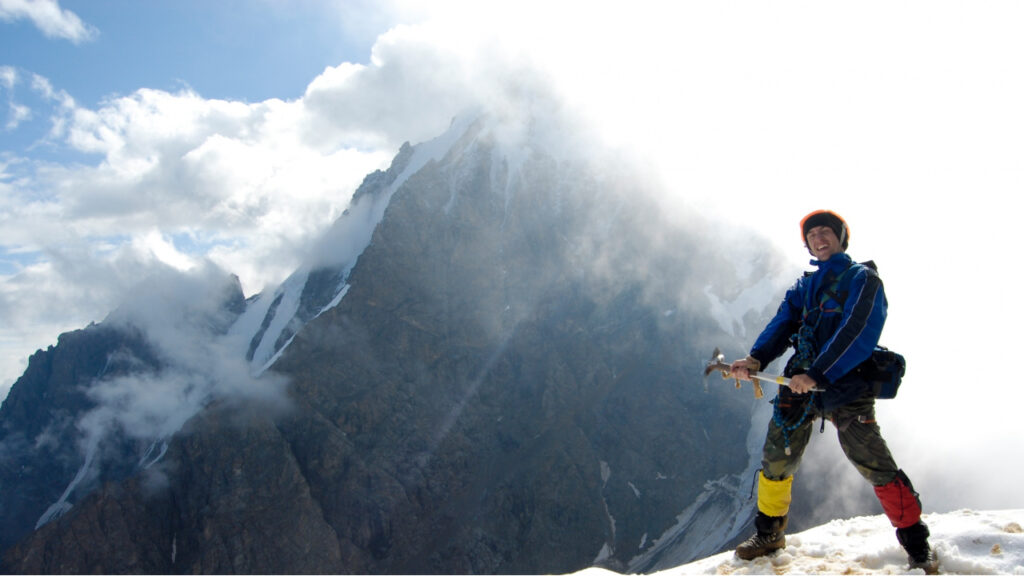
High-altitude trekking demands physical fitness. Key preparations include:
- Cardio exercises, like running, cycling, or swimming
- Strength training, focusing on legs, core, and back
- Practice hikes, with weighted backpacks to simulate trekking conditions
- Flexibility and balance exercises, such as yoga or stretching
Consult a doctor before attempting high-altitude trekking, especially if you have heart or lung conditions.
Essential Gear for Everest Base Camp Trek
Packing appropriate gear ensures comfort and safety. Essential items include:
Clothing
- Moisture-wicking base layers
- Insulating mid-layers (fleece or down jacket)
- Waterproof jacket and pants
- Gloves, hats, and thermal socks
Footwear
- Sturdy trekking boots
- Comfortable shoes for teahouses
- Gaiters to protect from mud and snow
Accessories
- Sunglasses with UV protection
- Trekking poles
- Headlamp
- Reusable water bottles and water purification tablets
Optional items include cameras, binoculars, and a lightweight sleeping bag for teahouse stays.
Acclimatization and Altitude Sickness
Altitude sickness is the biggest risk on the Everest Base Camp Trek. Symptoms include headaches, nausea, dizziness, and shortness of breath. Prevention strategies:
- Follow the “climb high, sleep low” approach
- Drink plenty of water and eat high-calorie meals
- Avoid alcohol and smoking
- Take acetazolamide (Diamox) if recommended by a doctor
Acclimatization days at Namche Bazaar and Dingboche are crucial for safety and success.
Accommodation on the Everest Base Camp Trek
Most trekkers stay in teahouses, small lodges offering:
- Basic rooms with beds and blankets
- Hot meals and tea
- Shared bathrooms (sometimes for an extra fee)
Booking ahead is advised in peak season at popular stops such as Namche Bazaar and Tengboche.
Food and Water on the Trek
Typical local meals include:
- Dal Bhat – lentil soup with rice, a staple for trekkers
- Momos – steamed dumplings
- Thukpa – Tibetan-style noodle soup
Although teahouses provide boiled or filtered water, carrying a water filter or purification tablets is recommended.
Cultural Insights: Sherpa Villages and Monasteries
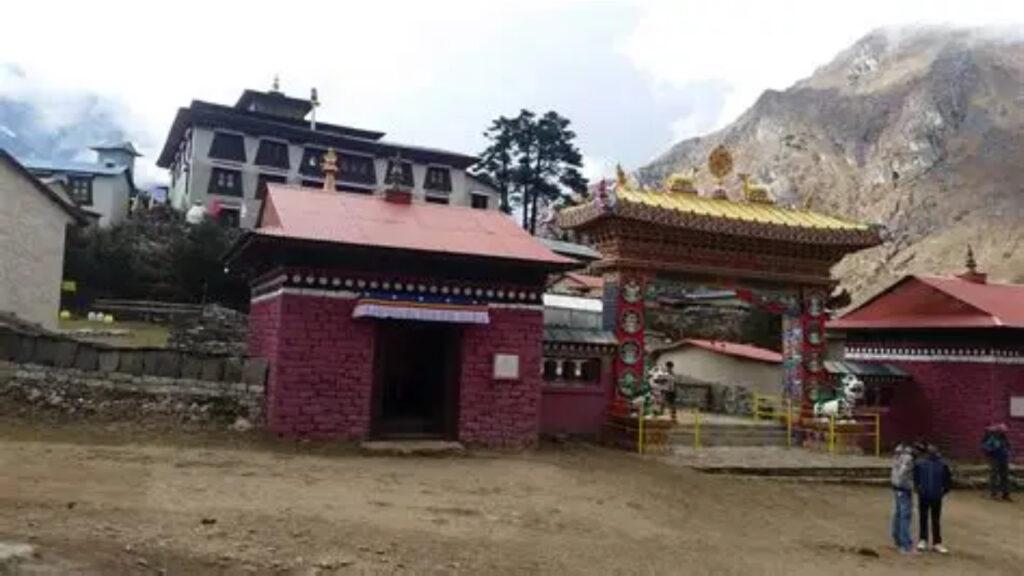
The trek passes through Sherpa communities where you can experience:
- Warm hospitality in teahouses
- Ancient monasteries, such as Tengboche Monastery
- Mani walls, prayer flags, and Buddhist rituals
Respect local customs: dress modestly, ask permission before taking photos, and greet locals with a smile.
Safety Tips for Everest Base Camp Trek
Safety is vital on this high-altitude journey. Key precautions:
- Monitor weather conditions daily
- Trek with a guide if unfamiliar with the area
- Don’t rush; prioritize acclimatization
- Carry a first aid kit and personal medication
- Make sure your travel insurance covers high-altitude trekking
Photography and Scenic Highlights
The Everest Base Camp Trek is a paradise for photographers. Must-capture scenes include:
- Sunrise over Kala Patthar
- Views of Mount Everest, Lhotse, and Ama Dablam
- Gokyo Lakes and glaciers
- Sherpa villages and local markets
Eco-Friendly Trekking Practices
Preserving the fragile Himalayan environment is essential:
- Avoid single-use plastics
- Dispose of waste at designated areas
- Respect wildlife and plant life
- Stick to marked trails
Budget for the Everest Base Camp Trek
A typical trek costs $1,200–$2,000 USD, depending on:
- Guide and porter services
- Accommodation choices
- Equipment rentals
- Trekking permits and flights
While self-organizing can save money, guided tours provide safety, convenience, and logistical support.