
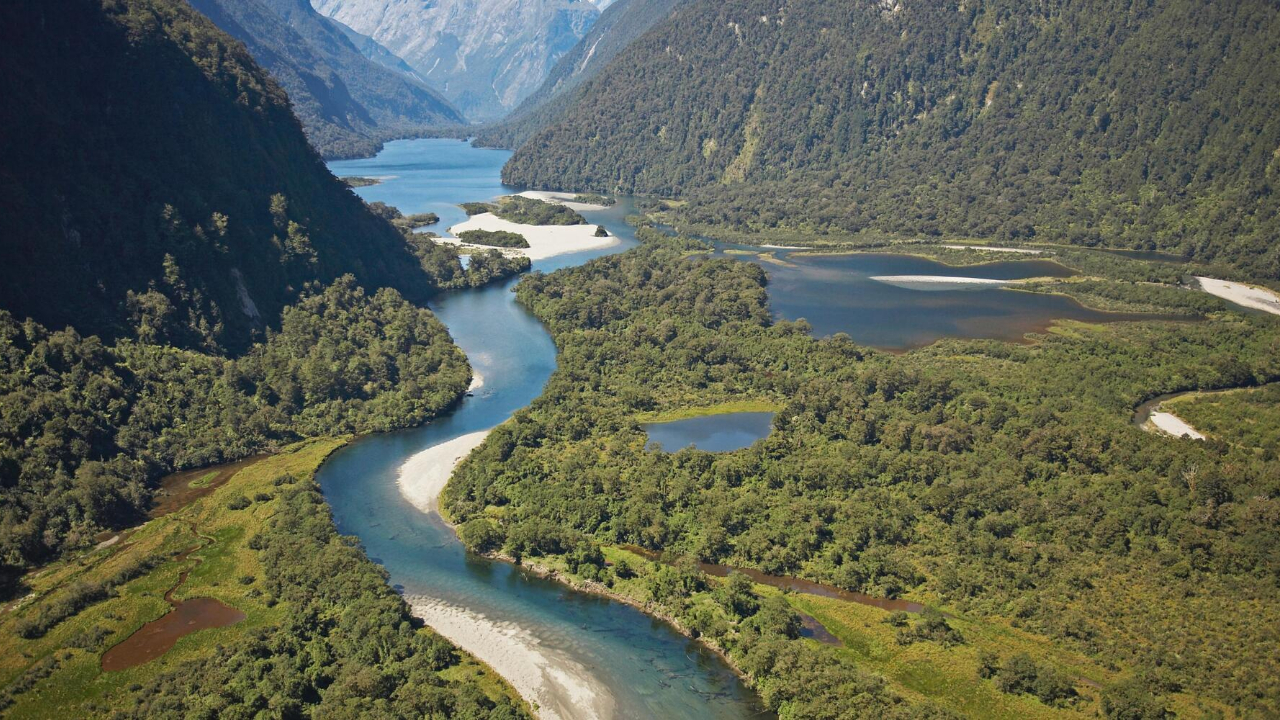
The Milford Track is one of New Zealand’s most celebrated hiking adventures, taking walkers deep into the spectacular wilderness of Fiordland National Park. Stretching 53.5 kilometres from the head of Lake Te Anau to Milford Sound/Piopiotahi, the four-day route passes through ancient rainforest, glacier-carved valleys, alpine landscapes, rivers, and some of the most impressive waterfalls in the country.
Often associated with the description “the finest walk in the world,” the Milford Track has a long history of attracting people who want to experience New Zealand’s wild landscapes on foot. The journey is not simply about reaching Milford Sound at the end. Every day offers a different environment, from the peaceful Clinton Valley to the dramatic climb over Omanui/McKinnon Pass and the spectacular Arthur Valley.
What makes the Milford Track particularly memorable is its sense of remoteness. There are no roads running alongside the route, and hikers travel by boat to reach the starting point at Glade Wharf. The trail then carries them through a landscape shaped by glaciers, rain, rivers, and mountains before ending at Sandfly Point, where another boat takes walkers toward Milford Sound.
If you are considering adding this legendary trail to a New Zealand adventure, here are 10 amazing reasons why the Milford Track deserves your attention.
1. The Milford Track Takes You Deep Into Fiordland
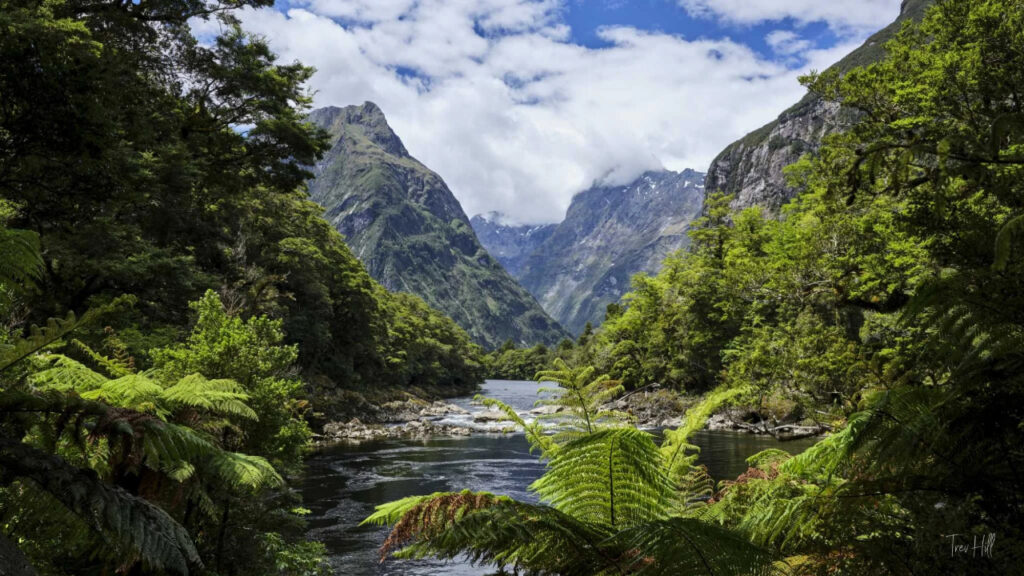
One of the biggest attractions of the Milford Track is the opportunity to experience Fiordland from within the landscape rather than simply viewing it from a road or lookout.
Fiordland National Park is enormous, covering around 1.2 million hectares of mountains, forests, lakes, rivers, and fiords. It forms part of Te Wāhipounamu, the South West New Zealand World Heritage Area, recognized for its remarkable natural landscapes and ecosystems.
The Milford Track travels through the heart of this environment.
For much of the journey, the surrounding landscape feels remarkably wild. Dense native forest rises around the trail, mountains tower above the valleys, and rivers follow routes carved by glaciers over enormous periods of time.
That sense of immersion is one of the strongest reasons to choose a multi-day hike rather than simply taking a short walk near Milford Sound.
You are not just visiting Fiordland.
You are traveling through it.
The changing scenery also keeps the experience interesting. One section might feel quiet and enclosed beneath the forest canopy, while another opens dramatically toward mountains and waterfalls.
The landscape is constantly changing, yet it remains unmistakably Fiordland throughout the journey.
2. The Milford Track Follows Glacier-Carved Valleys
The Milford Track is a remarkable opportunity to see how glaciers have shaped the landscape.
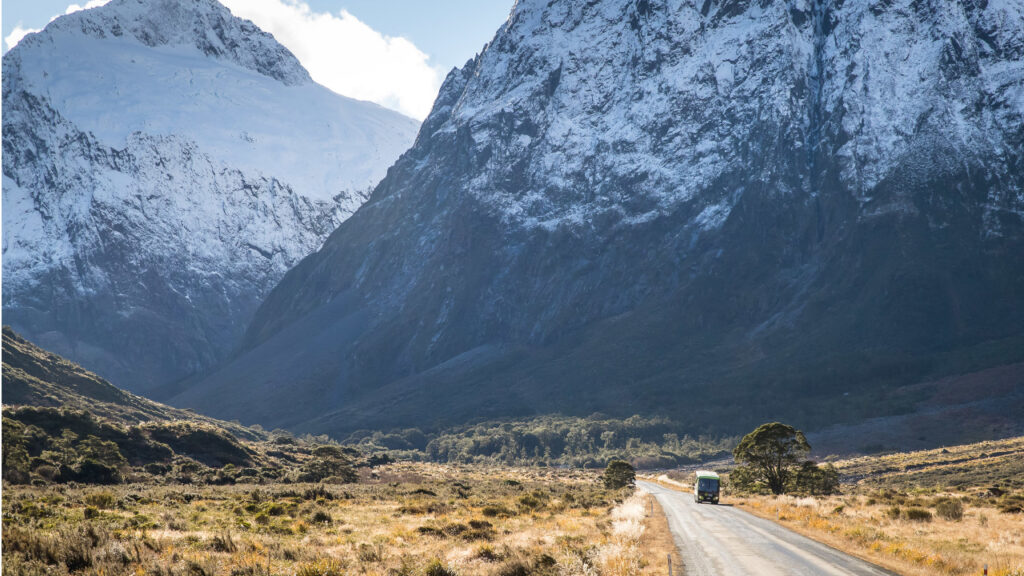
The route passes through steep-sided valleys formed by repeated glacial activity, creating the enormous U-shaped environments that define much of Fiordland. The Department of Conservation describes the track as passing through valleys carved by glaciers before crossing the dramatic Omanui/McKinnon Pass.
Walking through these valleys gives you an appreciation for their enormous scale.
The valley walls rise high above the trail, while streams and rivers flow through the lower landscape. Above the forest are rugged peaks and alpine slopes, creating layers of scenery that are difficult to appreciate from photographs alone.
The geological story is also visible in the shapes of the mountains.
Instead of seeing isolated peaks, you are surrounded by an entire landscape that has been shaped together over time.
This makes the Milford Track particularly interesting for travelers who enjoy understanding how natural forces have created the places they visit.
Even if geology is not your main interest, the sheer scale of the valleys is impossible to ignore.
3. The Rainforest Feels Ancient and Wild
Much of the Milford Track passes through native rainforest, creating a completely different atmosphere from the open alpine sections.
The forest is lush, damp, and full of life. Mosses, ferns, trees, and other native plants cover the landscape, while streams and waterfalls frequently appear alongside or near the trail.
Fiordland’s high rainfall plays a major role in creating this environment. The region is known for exceptionally wet conditions, and DOC warns that heavy rain can occur at any time.
Rather than seeing rain as something that automatically ruins the experience, it can actually help reveal the character of the landscape.
Wet weather can make the forest feel even more atmospheric, with water running over rocks and through the vegetation.
The rainforest also provides welcome shade during clearer weather.
As you walk beneath the canopy, the landscape becomes quieter and more enclosed. Then, when the trail eventually emerges into a more open area, the contrast can make the surrounding mountains feel even more dramatic.
This constant change between forest and open landscapes is one of the things that gives the Milford Track its distinctive character.
4. The Waterfalls Are Spectacular
Water is everywhere on the Milford Track.
Rainfall, rivers, streams, and waterfalls are central to the character of Fiordland, and the trail provides numerous opportunities to see water rushing through the landscape.
Some waterfalls are relatively small, while others plunge dramatically from the surrounding mountains.
The volume of water can also change depending on recent rainfall, meaning that the same waterfall may look very different from one visit to another.
One of the most famous sights along the route is Sutherland Falls, which is among New Zealand’s most spectacular waterfalls.
The waterfall drops from Lake Quill toward the valley below, creating an extraordinary sight surrounded by mountains and native forest.
Waterfalls are not simply isolated attractions along the track. They form part of the overall landscape.
Streams cross the valleys, rivers follow the trail, and water frequently descends from the cliffs.
This makes the Milford Track feel alive, particularly after rainfall.
The sound of moving water becomes part of the experience, accompanying hikers through much of the journey.
5. Omanui/McKinnon Pass Is a Major Highlight
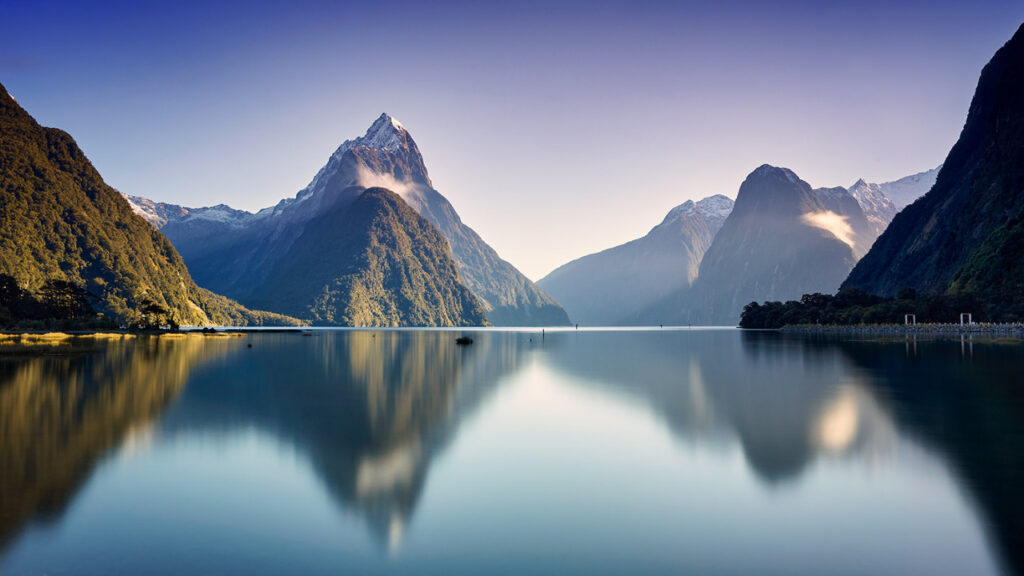
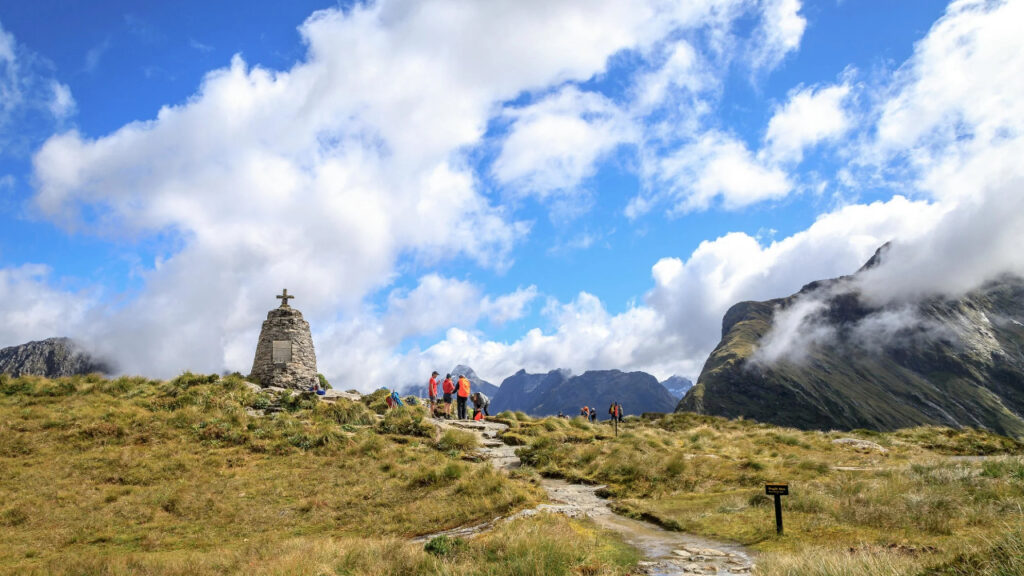
For many hikers, crossing Omanui/McKinnon Pass is one of the defining moments of the Milford Track.
The pass provides a dramatic transition between the Clinton and Arthur valleys, and reaching it represents the biggest climb of the journey.
According to DOC information, hikers climb more than 500 metres to the pass before descending around 1,000 metres toward Dumpling Hut.
The effort is rewarded with a completely different landscape.
The dense forest gives way to an alpine environment where the surrounding mountains feel much more exposed and expansive.
The pass also provides an opportunity to appreciate just how remote the surrounding landscape is.
There are no urban skylines or busy roads in sight. Instead, the view consists of mountains, valleys, rock, vegetation, and sky.
The weather can change quickly at this elevation, which is another reason preparation matters.
Even during the Great Walks season, hikers should be prepared for changing conditions and follow current DOC guidance.
The pass is challenging, but it is also one of the moments that makes the Milford Track feel like a genuine wilderness adventure rather than an ordinary walking trail.
6. The Clinton Valley Is Beautifully Peaceful
The journey begins in the Clinton Valley, and the first part of the Milford Track provides a relatively gentle introduction to the landscape.
After arriving at Glade Wharf by boat, hikers enter the valley and begin following the Clinton River toward Clinton Hut.
This opening section allows you to gradually adjust to the surroundings.
The river, forest, mountains, and waterfalls create a peaceful atmosphere, and the trail provides plenty of opportunities to stop and appreciate the scenery.
The Clinton Valley is also a reminder that the Milford Track is not simply about dramatic mountain viewpoints.
Some of the most memorable moments can come from quieter sections.
Walking alongside a river through native forest, hearing birds in the trees, or watching water move through the valley can be just as enjoyable as reaching a major viewpoint.
The slower beginning also helps build anticipation for the more challenging sections later in the journey.
As the valley narrows and the surrounding mountains become more prominent, you begin to understand the scale of the environment you are entering.
7. The Journey Begins With a Scenic Boat Ride
The Milford Track starts with something unusual for a hiking trail: a boat journey.
Walkers travel from Te Anau toward Te Anau Downs before continuing by boat across Lake Te Anau to Glade Wharf, where the trail officially begins. DOC states that the boat journey from Te Anau Downs to Glade Wharf takes about 1 hour and 15 minutes.
This makes the transportation part of the adventure.
Rather than driving directly to a trailhead, you gradually leave the accessible areas behind as the boat moves farther into the landscape.
Lake Te Anau itself is surrounded by impressive mountains and forests, so the journey provides an early introduction to Fiordland’s scenery.
It also gives hikers a sense of anticipation.
Once you leave the boat at Glade Wharf, there is no road access along the track. From that point onward, the only way forward is on foot.
That separation from ordinary transportation is part of what makes the Milford Track feel remote.
The boat ride is therefore more than a practical transfer.
It is the opening chapter of the journey.
8. The Track Ends at Milford Sound/Piopiotahi
Few hiking trails have an ending as spectacular as the Milford Track.
After four days of walking through Fiordland, the route reaches Sandfly Point, where hikers take a short boat journey to Milford Sound/Piopiotahi.
This means the final destination is not simply another trailhead.
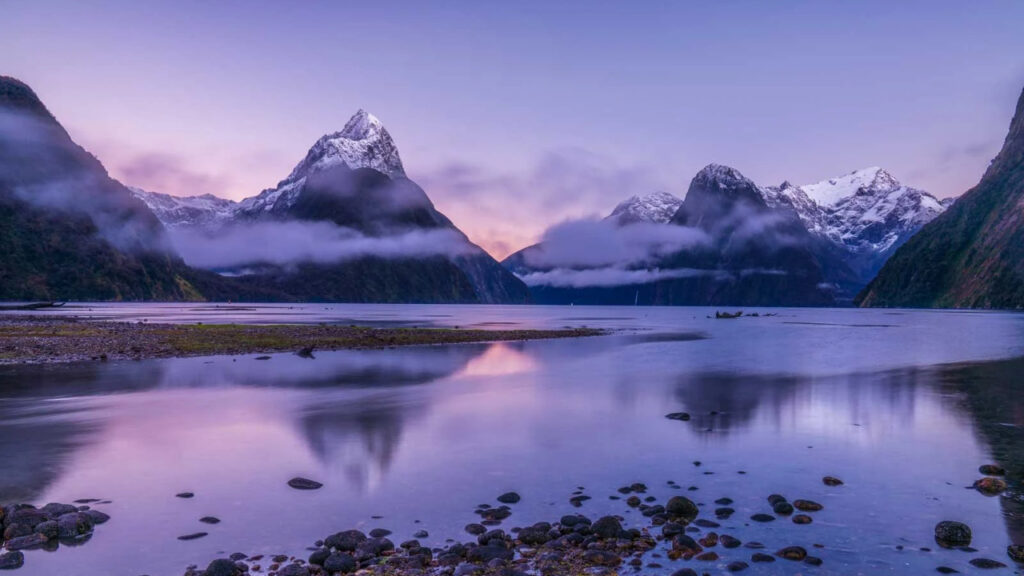
Milford Sound is one of New Zealand’s most famous natural landmarks, surrounded by towering mountains and dramatic rock formations.
Arriving there after several days of hiking creates a strong sense of accomplishment.
You have traveled from the head of Lake Te Anau through valleys, forests, and alpine terrain before reaching one of the country’s most recognizable landscapes.
The final boat ride also provides a chance to relax after completing the trail.
Instead of immediately walking onto another road, you leave the track by water.
For many hikers, that final transition is one of the most satisfying parts of the entire experience.
The journey feels complete in a way that few ordinary hikes can replicate.
9. You Can Discover Fiordland Wildlife
The Milford Track also provides opportunities to encounter some of New Zealand’s distinctive native wildlife.
Among the birds associated with the route are the kea and the blue duck, also known as whio. DOC identifies whio as an endangered native duck found around cold, fast-flowing streams such as the Clinton and Arthur rivers.
Kea are another memorable possibility.
These intelligent alpine parrots are native to New Zealand’s South Island and are known for their curious behavior.
Seeing native wildlife can add another layer to the hiking experience, particularly because the Milford Track passes through a protected natural environment.
However, wildlife should always be observed respectfully.
Do not feed birds or approach them unnecessarily. Keeping a safe distance helps protect both animals and visitors.
The best wildlife encounters are often the ones that happen naturally.
You might notice movement near a river, hear a bird calling through the forest, or spot a kea in the alpine landscape.
These moments are unpredictable, which makes them even more memorable.
10. The Milford Track Offers an Unforgettable Four-Day Adventure
Perhaps the biggest reason to experience the Milford Track is that it combines so many different environments into one journey.
The official route covers 53.5 kilometres and takes four days in the Great Walks format, traveling one way from Glade Wharf to Milford Sound.
Across those four days, you encounter rainforest, rivers, waterfalls, valleys, alpine terrain, and mountain passes.
Every day has its own character.
The first day introduces the Clinton Valley. The middle of the journey brings the major climb over Omanui/McKinnon Pass and the transition into the Arthur Valley. The final day takes you toward Sandfly Point and the boat ride to Milford Sound.
That progression makes the Milford Track feel like a story.
You begin at the lake, move deeper into the wilderness, cross the mountains, and eventually emerge at the fiord.
The distance and multi-day nature of the hike also encourage you to slow down.
There is no need to rush from one attraction to another.
Instead, you spend several days moving through the landscape at walking pace.
That is perhaps the greatest luxury of the Milford Track.
What Is the Milford Track Experience Really Like?
The Milford Track is often described using superlatives, but the actual experience is more nuanced than simply calling it beautiful.
It is a genuine multi-day wilderness hike.
The trail includes steep, rough, slippery, muddy, and exposed sections, and the weather can be highly changeable. DOC notes that the fourth day includes an 18-kilometre walk to Sandfly Point, where hikers need to arrive in time for their boat.
That means the experience requires preparation.
At the same time, the track is well established during the Great Walks season, and DOC provides huts and manages the route during that period.
For hikers who prepare properly and choose the trip according to their experience, the combination of challenge and scenery can be incredibly rewarding.
The important thing is to approach the Milford Track as a serious multi-day hike rather than a casual sightseeing walk.
That mindset will help you appreciate the journey while respecting the environment and the conditions.
When Is the Best Time to Walk the Milford Track?
The main Great Walks season runs during the warmer months, with DOC currently listing the 2026/27 season from 1 November 2026 to 30 April 2027.
This is generally the most suitable period for independent hikers because the track is managed as a Great Walk and the facilities and services are operating in their seasonal format.
Outside the Great Walks season, conditions become substantially more challenging.
DOC warns that from May to late October, hikers can encounter snow, ice, flooding, avalanches, short daylight hours, and reduced facilities. The department recommends that only fit, experienced, and properly equipped people attempt the track during this period.
For most visitors, the Great Walks season is therefore the sensible time to consider the Milford Track.
Even then, Fiordland weather can change rapidly.
Rain, cold temperatures, strong winds, and other conditions can occur at any time, so checking the latest official information before setting out is essential.
What Should You Know Before Hiking the Milford Track?
The Milford Track requires more planning than a normal day hike.
During the Great Walks season, independent walkers stay in DOC huts, and bookings are required. DOC also states that transport to the beginning and end of the track must be arranged in advance because there is no vehicle or private access to the trail’s start and finish.
The track also has no cellphone coverage.
That makes preparation particularly important.
You need to know your transport arrangements, accommodation details, weather forecast, route information, and emergency plans before starting.
Food and appropriate hiking equipment are also essential.
Because Fiordland is known for heavy rainfall, reliable waterproof clothing is particularly important.
Warm layers are useful as temperatures can change, especially at higher elevations.
You should also have suitable footwear and enough food and water for your planned journey.
Most importantly, check the current Department of Conservation information immediately before your trip.
Conditions and operational details can change, and official guidance should always take priority over older travel information.
Is the Milford Track Worth Visiting?
For hikers who enjoy multi-day adventures, the Milford Track is an extraordinary experience.
It combines the things that make Fiordland special: enormous mountains, dense native forest, powerful rivers, waterfalls, alpine landscapes, and the spectacular Milford Sound.
The trail also provides something that many popular destinations cannot.
Time.
Instead of seeing Fiordland from a vehicle window or visiting a viewpoint for a few minutes, you spend several days moving slowly through the landscape.
That creates a much deeper connection with the environment.
The Milford Track is certainly not effortless, and it requires planning, fitness, and respect for changing mountain conditions.
But that is also what makes completing it so rewarding.
The challenge gives the scenery context.
When you finally reach Sandfly Point after several days on the trail and look toward the water, you know that you have crossed a remarkable section of Fiordland under your own power.
Final Thoughts on the Milford Track
The Milford Track is more than a famous hiking route.
It is a four-day journey through one of New Zealand’s most extraordinary natural environments.
From the first boat ride across Lake Te Anau to the final arrival at Milford Sound/Piopiotahi, the experience is filled with dramatic scenery and constantly changing landscapes.
You walk beside rivers, pass through rainforest, encounter waterfalls, cross an alpine pass, and eventually emerge at one of the world’s best-known fiords.
The route’s 53.5-kilometre distance may sound intimidating, but the real appeal is not simply completing the kilometres.
It is everything you experience between the beginning and the end.
The quiet of the Clinton Valley, the scale of Omanui/McKinnon Pass, the power of Fiordland’s waterfalls, and the anticipation of reaching Milford Sound all become part of one continuous adventure.
If you are planning a New Zealand hiking trip and want an experience that goes beyond a simple scenic walk, the Milford Track deserves serious consideration.
Just make sure you plan ahead, follow current DOC guidance, respect the weather, and prepare appropriately for a remote multi-day environment.
The Milford Track rewards those who take the journey seriously.
And after four days of walking through the heart of Fiordland, reaching Milford Sound can feel like the perfect ending to an unforgettable adventure.



1 Comment
Pingback: Routeburn Track: 10 Amazing Reasons to Hike in NZ