
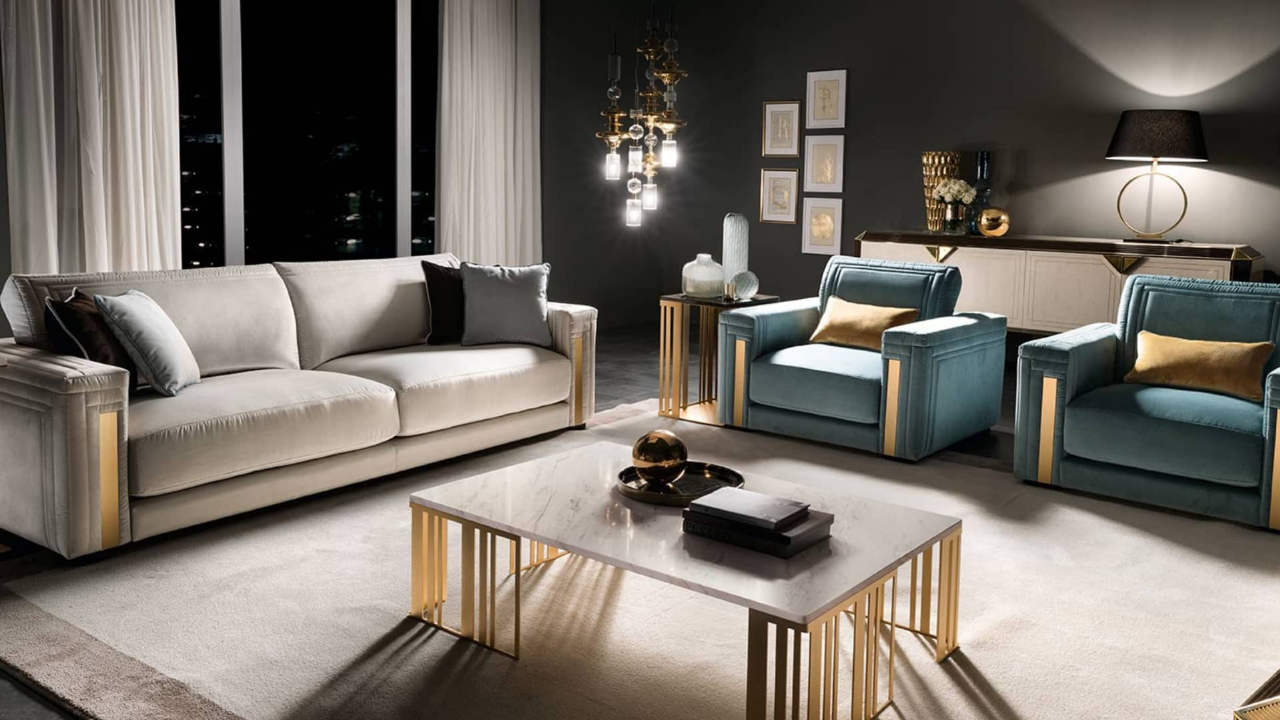
A modern living room does not have to feel cold, empty, or overly polished. The most inviting spaces are usually the ones that combine clean design with comfortable furniture, warm textures, thoughtful lighting, and a few personal details that make the room feel like it belongs to the people who actually live there.
The challenge is finding the right balance. Too much furniture can make a living room feel cramped, while too little can make a large space feel unfinished. A room filled with grey surfaces and sharp lines may look contemporary but lack warmth. On the other hand, adding too many colours, patterns, and decorative pieces can take away from the calm simplicity that makes modern interiors appealing.
The good news is that modern design gives you plenty of freedom. You can work with neutral colours, natural wood, curved furniture, textured fabrics, soft lighting, plants, artwork, and personal objects without losing that contemporary feeling.
The secret is not to make everything match. Instead, create relationships between the different elements of the room. Choose furniture that suits your lifestyle, arrange it around conversation and movement, and then introduce layers that make the space comfortable.
Whether you are furnishing a completely new home or simply refreshing a tired space, these ideas can help you create a living room that feels stylish during the day and genuinely relaxing when you want to unwind.
Start With the Way You Use the Space
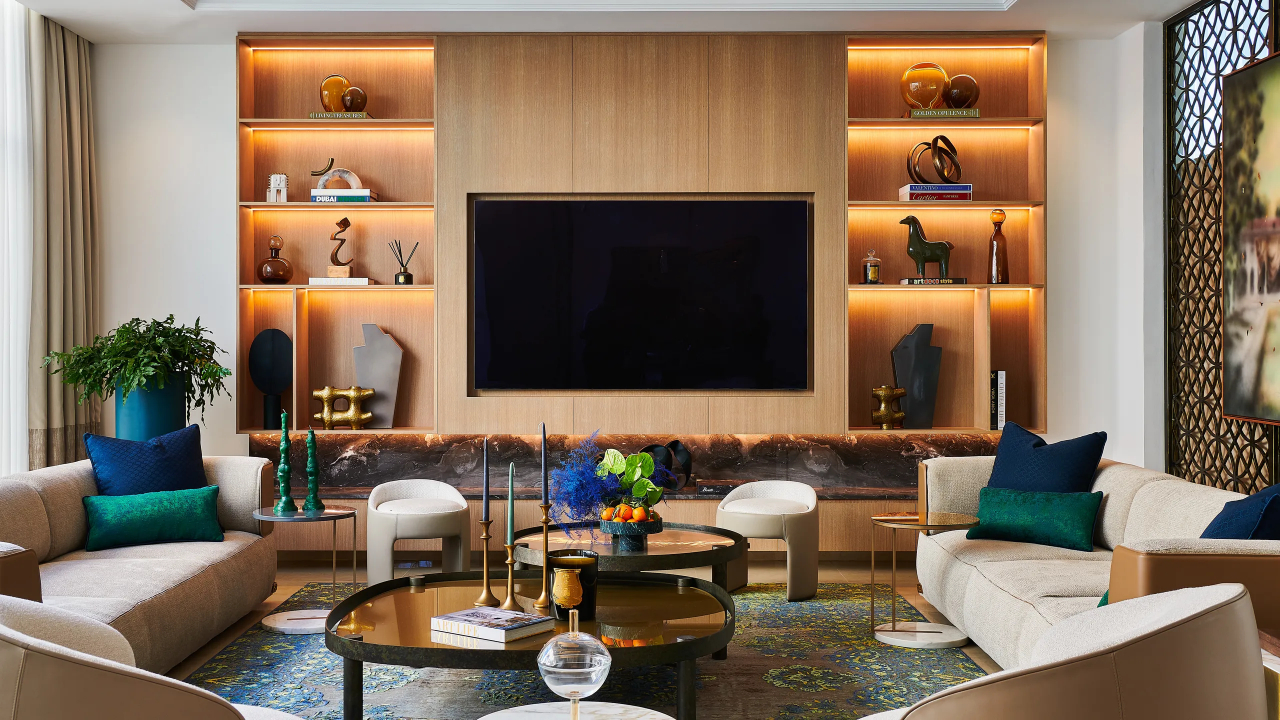
Before buying anything for your living room, think about what actually happens there. This is one of the simplest ways to avoid creating a beautiful room that does not work for everyday life.
Do you watch television most evenings? Do friends regularly come over? Is the space also used for reading, working, gaming, or playing with children? Do you like having conversations around a coffee table, or do you prefer everyone facing the television?
Your answers should influence the layout.
A living room designed primarily for entertaining might benefit from two sofas or a sofa paired with comfortable armchairs. A smaller living room used mainly for relaxing could work better with one generously sized sofa and a compact coffee table.
Think about movement as well. People should be able to walk into and across the living room without constantly stepping around furniture. Doors, windows, radiators, electrical outlets, and pathways all need to be considered before you settle on a final arrangement.
This is where measuring becomes extremely useful. Measure the room, then measure the furniture you are considering. You can even mark approximate furniture dimensions on the floor with removable tape.
A few minutes of planning can prevent the frustrating experience of discovering that the sofa you love makes the living room impossible to navigate.
Modern design works best when it responds to real life rather than forcing real life to fit the design.
Choose a Sofa That Feels Inviting
The sofa is usually the largest piece in a living room, so it deserves careful attention. It can determine the scale, mood, and even colour direction of the entire space.
Start with comfort. Think about how you actually sit. Do you like curling up in a deep seat, or do you prefer something more upright? Do you regularly take naps on the sofa? Do several people use it at once?
A deep sectional can create a relaxed atmosphere in a large living room, while a streamlined two- or three-seater may be more appropriate for a compact space.
Do not judge a sofa entirely from photographs. Seat depth, cushion firmness, back height, and arm position can dramatically affect comfort.
Castlery’s current sofa range, for example, includes sectionals, two-seaters, three-seaters, modular designs, sofa beds, chaise lounges, and other living room options, with materials including leather, fabric, bouclé, velvet, and performance fabrics.
The material should also match your lifestyle. A household with children or pets may benefit from a durable, easy-care fabric, while someone with a quieter home might prioritise texture and appearance.
Colour matters, too. A neutral sofa can provide a flexible foundation, while a deep green, warm brown, navy, rust, or another richer shade can become the focal point.
Whatever you choose, the sofa should make you want to sit down. That sounds obvious, but comfort is one of the easiest things to sacrifice when chasing a particular aesthetic.
Create Warmth With Natural Materials
One of the easiest ways to make a modern living room feel warmer is to introduce natural materials. Contemporary furniture often looks particularly good when paired with wood, stone, woven fibres, linen, leather, and other tactile surfaces.
Wood is especially useful. A wooden coffee table or sideboard can soften a room filled with clean lines and neutral colours. You do not need every piece to use the same wood tone, either. Slight variations can make the room feel more collected and less like it came directly from a showroom.
Woven materials can add another layer. A rattan basket, woven lamp shade, textured pouf, or natural-fibre rug can introduce visual interest without overwhelming the space.
Stone can provide contrast. A marble or stone-topped coffee table can look sophisticated beside a soft sofa, especially when the rest of the room uses warm neutrals.
Leather is another option. A leather armchair can bring depth to an otherwise soft room, while leather details on smaller pieces can create subtle visual repetition.
The important thing is texture. A modern living room becomes much more inviting when you can see and feel differences between the materials.
Think about a smooth table next to a textured rug, a structured sofa covered with soft fabric, or a wooden cabinet paired with ceramic accessories. These contrasts create depth without requiring excessive decoration.
Use a Warm and Flexible Colour Palette
Colour can completely change how a living room feels. If your goal is warmth, you do not have to cover every wall in a dramatic shade. Small changes can have a surprisingly large effect.
Warm whites, beige, cream, taupe, sand, caramel, terracotta, muted green, and earthy brown can all help create a welcoming atmosphere.
A neutral base gives you plenty of flexibility. You can use a beige sofa with cream walls, then introduce darker wood and a few deeper accent colours. Alternatively, a soft grey room can become warmer with walnut furniture, warm lighting, rust-coloured cushions, and natural textiles.
If you prefer stronger colours, choose one or two dominant shades rather than using several unrelated ones.
For example, a deep olive accent chair can work beautifully with warm beige upholstery and natural wood. A rust-coloured cushion can connect a brown sofa with terracotta artwork. A navy accent can give a neutral living room a more sophisticated appearance.
Do not feel pressured to choose colours simply because they are trending. Large pieces of furniture are expensive and tend to stay in a home for years.
Instead, choose colours you genuinely enjoy seeing every day.
A warm living room should feel personal, not like a temporary trend display.
Arrange Furniture Around Conversation
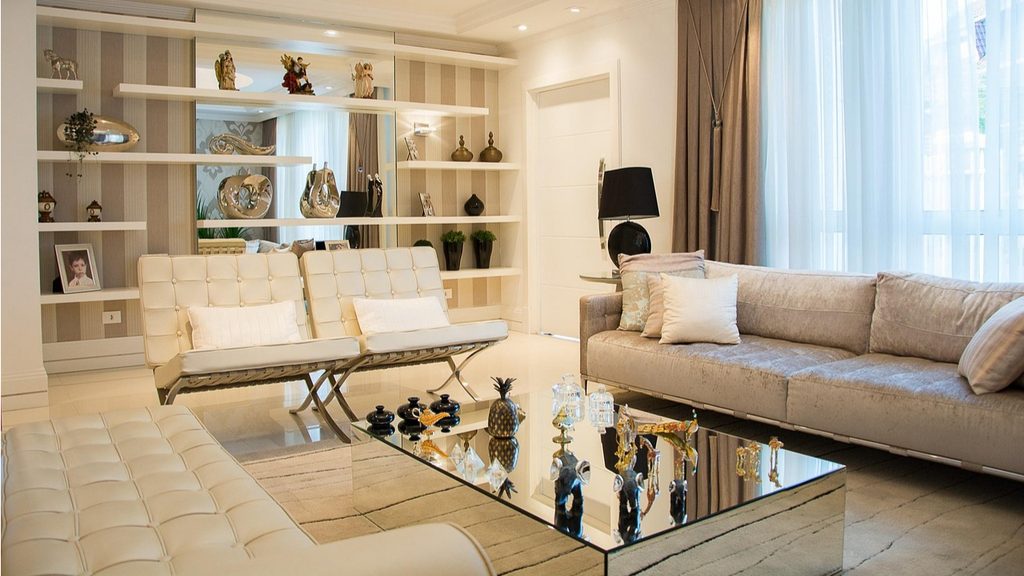
A common mistake in living room design is pushing every piece of furniture against the walls. This can leave the centre of the room strangely empty while making conversations feel disconnected.
Whenever the space allows, try bringing furniture slightly inward.
A sofa facing two armchairs can create a natural conversation area. A pair of chairs positioned beside a coffee table can create a small reading or chatting zone. In a larger living room, you can even create two separate seating areas.
The arrangement depends on the size and shape of your room, but the principle remains the same: furniture should encourage interaction.
The television can still be part of the layout, but it does not necessarily need to dominate the entire space.
A coffee table can act as the visual centre of the seating arrangement. Make sure it is close enough for people to reach comfortably without forcing them to lean forward.
Side tables should also be positioned where they are useful. A beautiful table that is several steps away from the sofa is not particularly practical.
The best living room layouts make it easy to sit, talk, reach for a drink, read, and move around.
Good design should make those activities feel effortless.
Layer Different Types of Lighting
Lighting is one of the most powerful ways to change the atmosphere of a living room. Even excellent furniture can look flat when the only light source is a bright ceiling fixture.
Instead, create layers.
Start with general lighting that illuminates the room. Then add task lighting for specific activities, such as a floor lamp beside a reading chair or a table lamp next to the sofa.
Accent lighting can highlight artwork, shelves, architectural features, or plants.
Warm-toned bulbs can make a living room feel much more relaxed in the evening. Dimmers are especially useful because they allow you to change the atmosphere without changing the furniture.
Think about natural light as well. Keep windows as open as possible during the day and avoid placing large furniture where it unnecessarily blocks the light.
Mirrors can also help distribute natural light and make a room feel brighter.
The goal is not simply to make the living room bright. It is to give yourself control over how the space feels at different times.
A brighter setting can work during the day, while softer lamps can make the same living room feel completely different after dinner.
Add Soft Textures Through Rugs and Cushions
Modern interiors can sometimes become visually hard when they contain too many smooth surfaces. Rugs, cushions, throws, and curtains provide an easy solution.
A rug can anchor the seating area and make the living room feel more cohesive. Ideally, it should relate to the scale of the furniture rather than appearing like a small island floating in the middle of the room.
Texture is often more important than pattern. A wool rug, boucle cushion, linen curtain, knitted throw, or textured upholstery can make a neutral room feel much richer.
Layering also helps create a sense of comfort. You might have a simple sofa, then add two or three cushions in different textures. A throw placed casually over one side can make the sofa look more inviting.
Do not make everything perfectly symmetrical. A relaxed arrangement often feels more natural.
You can also change textiles seasonally without replacing your major furniture. Lighter fabrics can make the room feel fresh during warmer months, while heavier throws and deeper tones can create a cosy feeling in colder weather.
This is one of the easiest ways to refresh a living room without spending a fortune.
Bring Nature Into the Room
Plants can make a modern living room feel instantly more alive. Their organic shapes create a pleasant contrast against straight furniture lines and architectural forms.
You do not need to turn the room into a jungle. One large plant in an empty corner may be enough. Smaller plants can sit on shelves, sideboards, or window ledges.
Choose plants based on the amount of natural light available and how much care you are realistically willing to provide.
If you struggle to keep plants alive, start with low-maintenance varieties or use dried branches and natural arrangements instead.
Planters can become part of the room’s design too. Terracotta introduces warmth, while ceramic or stone planters can create a more polished appearance.
Wooden furniture and plants naturally complement each other, which makes this combination particularly effective in contemporary interiors.
Plants can also help break up large blocks of furniture. A tall plant beside a sofa or cabinet can soften the transition between the furniture and the wall.
The result is subtle but noticeable: the living room feels less rigid and more connected to the natural world.
Choose a Coffee Table With Purpose
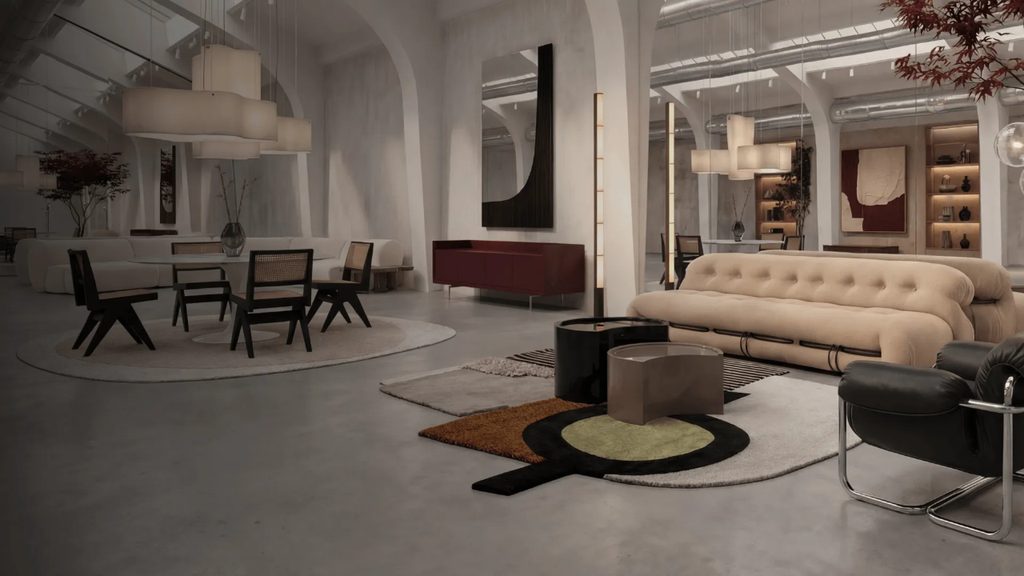
The coffee table may not be the largest piece of furniture in a living room, but it often becomes one of the most noticeable.
Think about how you use it before choosing a design.
If you regularly have drinks, snacks, books, or remote controls nearby, you need enough usable surface area. If storage is important, consider a table with drawers, shelves, or a lower compartment.
Round coffee tables can soften rooms dominated by rectangular furniture. Rectangular tables often work naturally with longer sofas. Oval designs offer a middle ground.
Material also changes the feeling of the room. Wood feels warm and relaxed, glass feels lighter visually, stone feels substantial, and metal can introduce a sharper contemporary accent.
Do not forget height. A coffee table that is dramatically higher or lower than the sofa seat can feel awkward to use.
You can also use multiple smaller tables instead of one large table. This gives you flexibility and can work particularly well in a living room where people frequently rearrange seating.
A coffee table should look good, but it should also earn its place by being genuinely useful.
Use Storage to Control Visual Clutter
A warm living room can quickly lose its appeal when everyday clutter begins taking over. Storage is therefore an important part of modern design.
Closed cabinets are useful for hiding electronics, cables, games, paperwork, and other objects that you do not necessarily want on display.
Open shelving can be used for books, plants, artwork, ceramics, and personal objects.
A sideboard can provide storage while also becoming a visual anchor. A storage ottoman can hide blankets, magazines, or children’s toys while functioning as a footrest or extra seat.
Choose storage that matches the scale of the room. Oversized cabinets can make a small living room feel heavy, while tiny storage pieces may not solve the actual problem.
Think about accessibility too. The things you use every day should be easy to reach.
A well-organised living room does not have to look sterile. The goal is simply to give everything a sensible place.
When clutter is controlled, the furniture, lighting, artwork, and textures have more room to make an impression.
Add Artwork and Personal Details
A modern living room should not feel like it was designed for someone you have never met. Personal details are what turn an attractive space into a home.
Artwork is an excellent place to start. A large piece above the sofa can create a strong focal point, while a collection of smaller works can give the room a more relaxed, collected feeling.
Family photographs, travel memories, books, ceramics, and objects with personal meaning can also add character.
Do not feel that every surface needs decoration. A few carefully selected pieces usually have more impact than dozens of small objects.
Scale matters with artwork. A tiny picture above a large sofa can look lost, while an oversized piece can become a dramatic focal point.
You can also repeat colours from the artwork throughout the room. A small amount of rust in a painting could appear again in a cushion. A deep green detail could be echoed through a plant or accent chair.
These subtle connections help the living room feel intentional.
Modern does not mean impersonal. Clean lines provide the structure, while personal objects provide the story.
Balance Modern Furniture With Comfortable Shapes
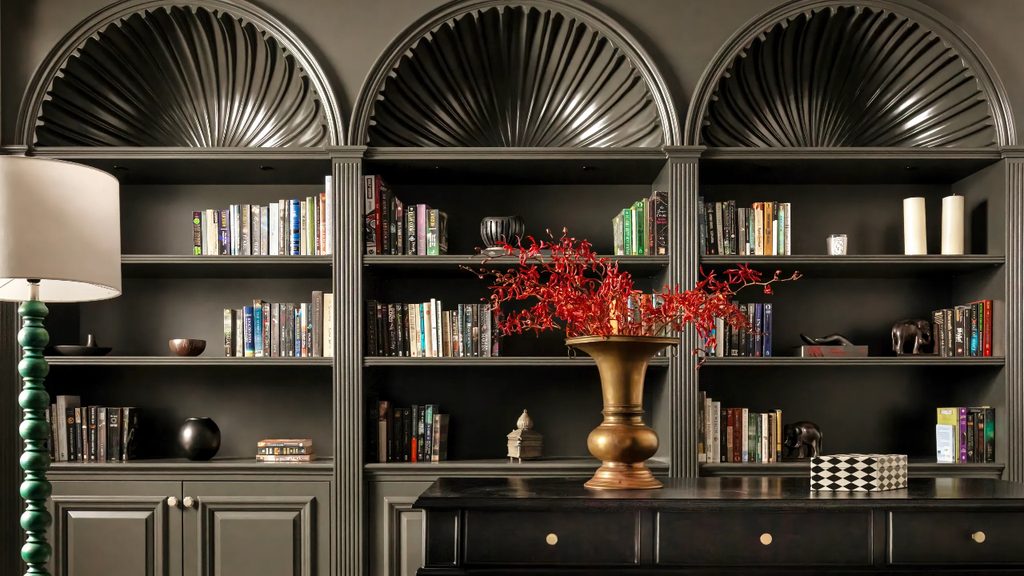
One of the easiest ways to soften a modern living room is to mix structured pieces with rounded or relaxed shapes.
A straight-lined sofa can be paired with a curved armchair. A rectangular coffee table can sit on a rounded rug. A boxy cabinet can be softened by a sculptural lamp or organic decorative object.
Curves have become increasingly common in contemporary furniture because they can make a space feel more relaxed. They also break up the repetition of straight architectural lines.
However, you do not need to fill the room with curves. One or two pieces are enough to create contrast.
Comfort should remain the priority. A chair can be visually beautiful, but if you never want to sit in it, it is not doing its job.
Look for supportive cushions, practical seat depths, durable upholstery, and shapes that suit the way you spend time at home.
Modern furniture can be minimal without being uncomfortable.
That distinction is important. The goal is not to create a room that photographs beautifully but feels unpleasant in person. Your living room should look good from across the room and feel even better when you sit down.
Make a Small Living Room Feel Larger
Small spaces can still feel warm and stylish. The key is choosing furniture carefully and leaving enough visual breathing room.
Start with scale. A huge sectional may consume most of a small living room, leaving little space for anything else. A more compact sofa paired with a slim armchair might provide better balance.
Furniture with visible legs can also make a room feel more open because more of the floor remains visible.
Choose storage that uses vertical space where possible. Tall shelving can provide plenty of capacity without taking up a large amount of floor area.
Mirrors can help reflect light and give the impression of additional space. Light colours can also create an airy feeling, although you do not have to avoid dark colours completely.
Use a smaller number of larger decorative pieces rather than covering every surface with small objects.
A small living room often looks better when each item has a clear purpose.
Do not be afraid of empty space. It gives the room somewhere for the eye to rest and makes your furniture feel more intentional.
Keep the Room Flexible and Lived In
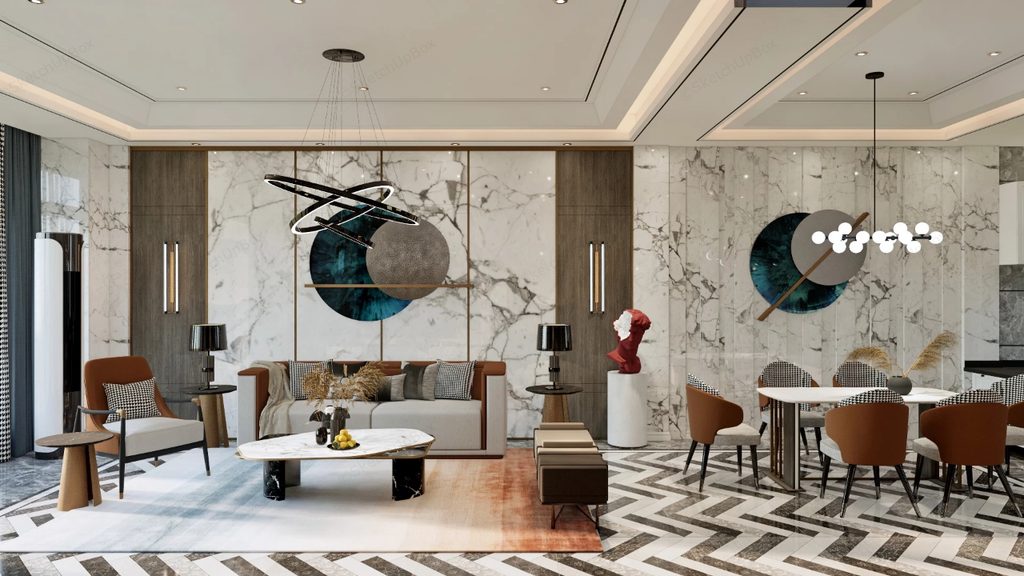
The final step is allowing your living room to evolve. You do not need to make every decision permanently.
Furniture can be rearranged as your needs change. Perhaps you start using the room differently after working from home, hosting more friends, or adding another family member.
Keep the core pieces practical and use smaller items to experiment. Cushions, rugs, lamps, artwork, and accessories are much easier to change than sofas or cabinets.
It is also useful to resist the temptation to buy everything at once. Live with the major furniture for a while. You may discover that the room needs a reading chair rather than another cabinet, or that a large coffee table makes movement difficult.
Castlery’s current Australian collection includes sofas, armchairs, coffee tables, storage pieces, living room sets, and other furniture designed around everyday living. Its site also features curated living room looks and a Room Designer tool that allows shoppers to experiment with layouts and combinations before buying.
That kind of approach reflects the larger principle behind good modern design: make decisions based on how you want to live, not simply how you want the room to appear.
Castlery is worth exploring when you want modern furniture that combines clean contemporary styling with comfortable, practical pieces for everyday spaces. Before making a purchase, it is also smart to check available coupons and promotions, and Eva’s Hike provides 100% Verified Castlery coupon codes to help shoppers save on eligible purchases.