

A comfortable bedroom can make a noticeable difference in how you end your day and how you begin the next one. After spending hours working, commuting, studying, managing responsibilities, or simply dealing with the noise of everyday life, having a peaceful place to unwind matters. Your bedroom does not need to look like a luxury hotel to feel relaxing. It simply needs to support rest, comfort, and the habits that help you wind down.
Creating the right bedroom starts with more than choosing attractive furniture. The mattress, bed frame, lighting, colors, temperature, bedding, storage, and overall organization all influence the atmosphere. Even small changes can make the room feel calmer and more inviting.
The good thing is that you do not have to redesign everything at once. You can start by removing unnecessary clutter, improving your bedding, adjusting the lighting, or making your bed more comfortable. From there, you can gradually build a bedroom that feels like a genuine retreat at the end of the day.
Whether you have a large master bedroom or a compact room, thoughtful choices can help you create a space where relaxation feels natural.
Start With a Calmer Layout
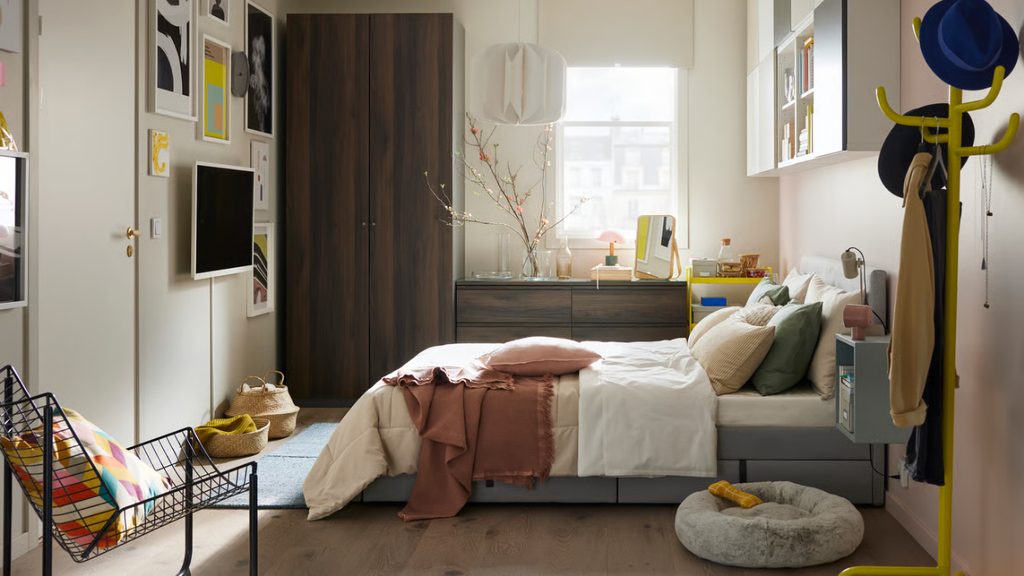
The layout of your bedroom affects how comfortable the room feels before you even think about decoration. A crowded room can make it difficult to relax, while an overly empty room may feel unfinished.
Begin by looking at the position of your bed. Ideally, you should have enough space to move around it comfortably. Try to avoid blocking doors, windows, closets, or walking paths with large furniture.
The bed will usually be the main visual focus, so positioning it correctly can make the entire bedroom feel more balanced. If possible, place the headboard against a solid wall where the bed does not interfere with the natural flow of the room.
Think about what you see when you enter. If the first thing visible is a pile of clothes, overflowing storage, or a messy desk, the bedroom may immediately feel less relaxing. If the view is instead centered around a neatly made bed, soft lighting, and a few carefully chosen decorative elements, the atmosphere can feel much calmer.
Leave some empty space when arranging furniture. You do not have to fill every corner. Open floor area can make a bedroom feel larger and less visually demanding.
Also consider convenience. Your nightstand should be within easy reach, clothing storage should be accessible, and frequently used items should not require you to move around the room unnecessarily.
A well-planned bedroom should feel easy to navigate when you are tired. The fewer obstacles and distractions you encounter at night, the more naturally the space can support relaxation.
Choose the Right Mattress
The mattress is arguably the most important comfort-focused element in any bedroom. Beautiful bedding cannot compensate for a sleeping surface that does not suit your needs.
Mattress preferences are highly personal. Some people prefer a softer feel that allows them to sink into the surface, while others prefer firmer support. Memory foam, hybrid, and other mattress constructions can create noticeably different experiences.
When choosing a mattress, consider your normal sleeping position, preferred firmness, temperature preferences, and any specific comfort concerns you may have.
A mattress should also work well with your bed frame. Check dimensions carefully before buying so everything fits correctly.
Zinus currently offers both memory foam and hybrid mattresses, including its Balanced Comfort Core, Signature, and Luxe collections. The company’s current range includes options with features such as cooling gel, pressure-relieving foam, breathable covers, individually wrapped coils, and reinforced edge support.
Take your time when making this decision. A mattress is something you use every night, so it is worth considering comfort rather than choosing purely based on appearance or price.
A bedroom designed for better relaxation should make the bed feel like the easiest place in the home to unwind.
Pick Bedding That Feels Inviting
Once you have a comfortable mattress, bedding can change the entire character of your bedroom.
Start with sheets that feel pleasant against your skin. Cotton, linen, bamboo, microfiber, and other fabrics can each create a different sleeping experience. Personal preference matters more than following a particular trend.
Think about the climate too. Someone living in a warm environment may prefer breathable, lightweight bedding, while someone in a colder climate may enjoy heavier layers.
Layering is useful because it allows you to adjust your comfort throughout the night. A fitted sheet, top sheet or blanket, duvet, and optional throw can give you several options without making the bed look complicated.
Pillows deserve attention as well. The right number and type of pillows can make the bed more comfortable while also creating a polished appearance during the day.
You can use decorative pillows for style, but make sure they do not become so numerous that making the bed becomes a daily chore.
A bedroom should feel inviting when you walk into it. Soft bedding, neatly arranged pillows, and a comfortable duvet can create that feeling without requiring expensive decoration.
Changing bedding seasonally can also refresh the room. Lighter textures can make summer feel cooler, while heavier blankets and warmer fabrics can make the bedroom feel cozy during colder months.
Use Colors That Encourage Relaxation
Color has a strong visual effect on a bedroom, so it is worth choosing shades that create the mood you want.
Soft neutrals, muted greens, warm beige, gentle blues, warm whites, and subtle earthy shades can create a peaceful environment. This does not mean that every relaxing bedroom needs to be completely neutral.
You can still use darker or brighter colors. The key is understanding how much visual energy you want the room to have.
If you love deep colors, consider using them on one wall, in bedding, or through smaller accessories rather than covering every surface.
A bedroom with too many competing colors and patterns can feel visually busy. If the room already contains a patterned rug, colorful artwork, and statement bedding, keeping some of the other elements simple can create balance.
You can also use color to make the bedroom feel warmer. Cream, terracotta, soft brown, muted peach, and warm gray can create a cozy atmosphere.
For a fresher feeling, combine white or light neutrals with natural greens and pale blue tones.
There is no universal “best” bedroom color. Choose shades that make you feel comfortable when you see them at the end of a long day.
Improve the Lighting
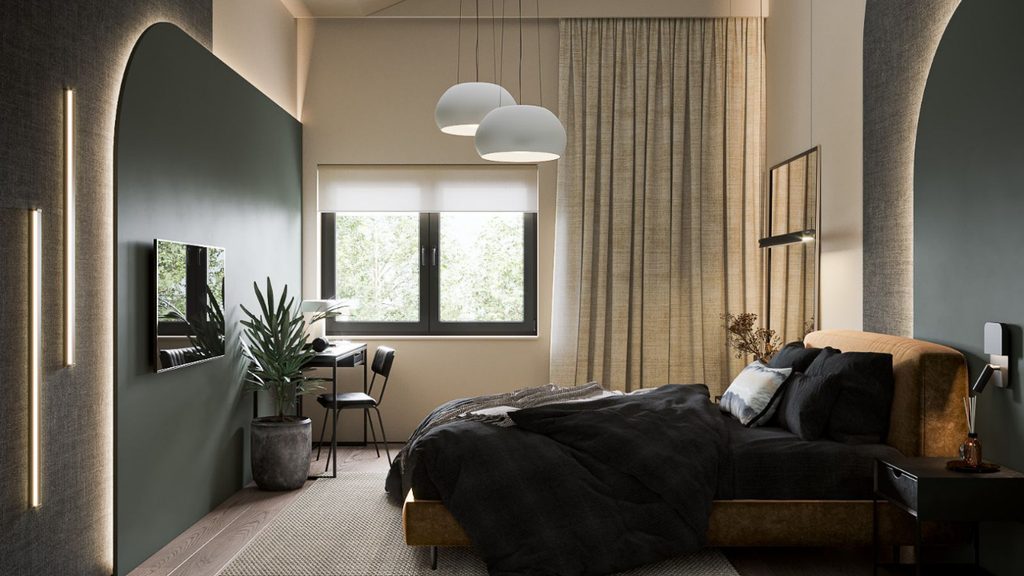
Lighting can completely change how a bedroom feels. A room that is bright and functional during the day can become warm and relaxing in the evening with the right combination of light sources.
Start with your main ceiling light, but do not rely on it for everything. Bedside lamps provide softer illumination and are much more useful when you want to read or relax without flooding the entire bedroom with bright light.
Wall sconces can be another excellent option, particularly in smaller rooms where nightstand space is limited.
Consider using bulbs with a warmer appearance in lamps used during the evening. Harsh, bright lighting can make the room feel more like a workspace than a place to unwind.
Natural light matters too. During the day, allow sunlight into the bedroom when practical. Natural daylight can make the room feel more open and pleasant.
At night, blackout curtains or shades can help reduce unwanted outdoor light. This can be especially useful if your bedroom faces a bright street, neighboring building, or other source of nighttime illumination.
Layered lighting gives you flexibility. You might use natural daylight during the morning, a ceiling fixture when getting dressed, and soft bedside lamps when winding down.
The result is a bedroom that can adapt to different parts of your day.
Keep the Temperature Comfortable
Temperature is another factor that can affect how comfortable your bedroom feels.
A room that is too warm can make relaxation difficult, while a space that is too cold may leave you reaching for extra blankets.
Your ideal temperature is personal, so pay attention to how your bedroom feels at night rather than following a rigid number.
Air circulation can help. A ceiling fan, standing fan, or appropriate ventilation can keep the room from feeling stagnant.
Your bedding also affects temperature. Heavy comforters may be wonderful during cold weather but uncomfortable when temperatures rise. Lightweight layers allow you to make adjustments more easily.
Curtains can help manage heat during the day. Closing them during the hottest part of the afternoon may prevent the bedroom from becoming unnecessarily warm.
You should also consider the mattress and sheets you choose. Some materials can feel warmer than others, so if you regularly wake up feeling overheated, it may be worth examining your bedding as well as the room temperature.
A comfortable bedroom does not need complicated technology. Sometimes better airflow, appropriate bedding, and sensible window coverings are enough to make the space feel noticeably better.
Reduce Clutter and Visual Noise
A bedroom can become cluttered surprisingly quickly. Clothes, chargers, books, cosmetics, bags, and miscellaneous objects can gradually cover surfaces until the room feels stressful rather than relaxing.
You do not need to become extremely minimalist. The goal is simply to make sure the things around you have a purpose or a designated place.
Start with visible surfaces. Clear your nightstand, dresser, and floor before worrying about hidden storage.
Your nightstand should ideally contain only the things you actually use. A lamp, book, water bottle, or alarm clock may be enough.
Clothes are another common source of bedroom clutter. If something is clean, put it away. If it needs washing, place it in a laundry basket rather than leaving it on a chair or floor.
Storage furniture can make this easier. Drawers, wardrobes, under-bed storage, baskets, and shelves can help keep everyday items organized.
A tidy bedroom does not have to be perfectly organized. You simply want to reduce the amount of visual information competing for your attention.
This is particularly helpful at night. When the room looks calm and orderly, it can feel easier to mentally transition away from the day’s responsibilities.
Add Soft Textures
Texture can make a bedroom feel much warmer without requiring major changes.
A soft area rug can make the floor more comfortable, particularly if you have hard flooring. Stepping onto something warm and soft in the morning can be a surprisingly pleasant detail.
Curtains can also add softness. Full-length fabric curtains create a more finished appearance and can help frame the windows.
Throws and blankets are another easy option. Place one at the end of the bed for a cozy layered appearance while keeping it available when you need extra warmth.
Upholstered furniture can introduce additional softness. A fabric headboard or small accent chair can make the bedroom feel less dominated by hard surfaces.
Do not be afraid to mix materials. Wood, fabric, metal, woven baskets, and soft bedding can work together when the colors remain reasonably cohesive.
The goal is to make the bedroom feel comfortable to the senses. You want the space to look soft, feel pleasant, and create a visual impression that encourages you to slow down.
Small texture changes can therefore have a surprisingly large effect.
Create a Comfortable Nightstand Setup
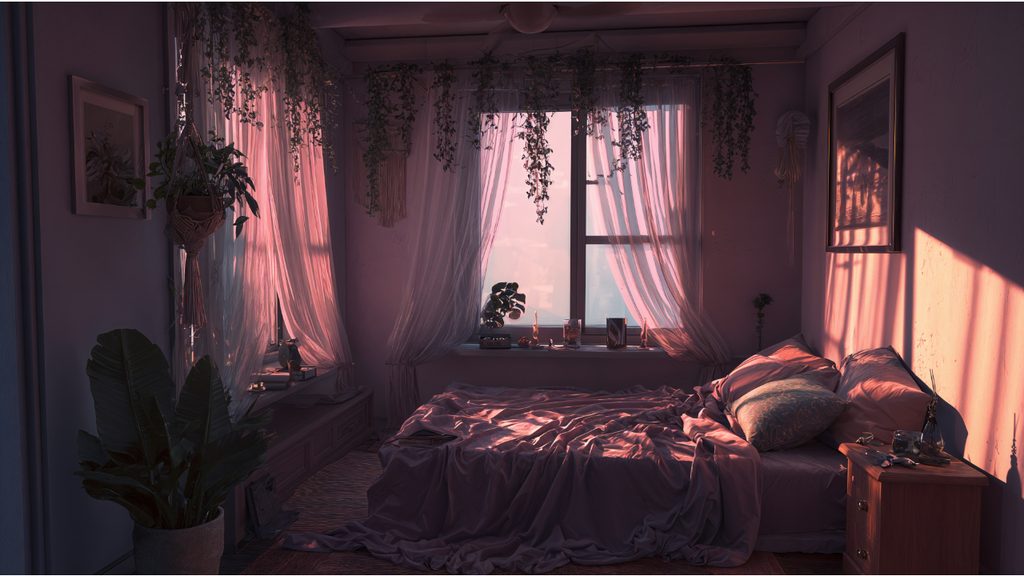
Your nightstand is one of the smallest pieces of furniture in the bedroom, but it can have a major impact on your nighttime routine.
Keep the surface useful rather than filling it with decoration. A warm lamp, a book, water, and perhaps a small tray for personal items may be all you need.
If you regularly wake up to check your phone, consider moving the charger farther away from the bed. This can encourage you to get up rather than automatically reaching for the screen.
A drawer is useful for keeping smaller objects out of sight. It can hold chargers, glasses, medication that you normally need at night, or other personal items.
If you enjoy reading before bed, make sure your lighting is positioned comfortably so you do not have to hold a book awkwardly.
The nightstand should support your routine instead of becoming another cluttered surface.
You can also use matching nightstands on both sides of the bed for a symmetrical appearance, but this is not essential. Different pieces can work if they have a similar visual weight or color relationship.
The best bedroom designs are not always perfectly symmetrical. They simply make everyday use feel effortless.
Make the Bed the Main Focal Point
The bed is naturally the centerpiece of the bedroom, so making it visually appealing can improve the entire room.
A strong headboard can give the bed more presence. Upholstered options create softness, while wood can introduce warmth and texture. Metal frames can give the bedroom a cleaner or more industrial character.
The bed frame should also match the size and proportions of the room. A large, heavy frame can dominate a small bedroom, while a very minimal frame may disappear in a large space.
Zinus offers a range of bedroom furniture, including wood, metal, and upholstered platform bed frames. Its current bedroom collection includes designs such as the Linda Wood Platform Bed Frame, Suzanne Metal and Bamboo Platform Bed Frame, and Shalini Upholstered Platform Bed Frame.
Once the frame is selected, bedding can reinforce the style. Crisp white bedding creates a clean appearance, while layered neutrals can make the bed feel warmer.
You can also use the wall behind the bed as an accent. Artwork, subtle paint, paneling, or a textured wall treatment can make the sleeping area feel more intentional.
Just avoid creating a feature wall that is so visually busy that it distracts from relaxation.
Limit Bedroom Distractions
A bedroom should ideally communicate one main message: this is a place to rest.
That can be difficult when the room also functions as an office, entertainment space, dressing room, storage area, and exercise zone.
Not everyone has enough space to separate these activities, but you can create visual boundaries where possible.
If you work from your bedroom, try to keep your desk organized and position it away from the bed if the layout allows. At the end of the workday, close the laptop and clear the workspace so the bedroom does not continue feeling like an office.
Televisions are another personal choice. Some people enjoy watching television before bed, while others find that screens make it harder to unwind. Pay attention to how you personally respond.
The same applies to phones and tablets. If scrolling through notifications keeps your mind active, consider creating a technology-free period before sleep.
Your bedroom should give you an opportunity to transition away from the day’s demands.
Removing unnecessary distractions does not mean making the room boring. It means choosing elements that support the atmosphere you want.
Bring Nature Into the Room

Natural elements can make a bedroom feel more peaceful and grounded.
Plants are an easy place to start. A small indoor plant on a dresser, shelf, or windowsill can introduce color and texture.
Choose plants based on the light available and your willingness to care for them. If your bedroom receives limited sunlight, select varieties that can handle those conditions.
Wood is another natural material that works beautifully in bedrooms. A wooden bed frame, nightstand, flooring, or decorative accessory can add warmth.
Natural fabrics can also contribute to the feeling. Linen, cotton, wool, and woven materials can create a softer, more organic appearance.
You can bring nature into the bedroom through artwork as well. Landscape photography, botanical prints, or abstract pieces inspired by natural colors can create a calming visual connection to the outdoors.
Avoid overcrowding the room with plants and accessories. A few carefully selected natural elements can have more impact than dozens of decorative objects.
The goal is to make the bedroom feel connected to the world outside without sacrificing its calm character.
Develop a Relaxing Evening Routine
Even the most beautiful bedroom cannot guarantee relaxation if you enter it immediately after spending an intense evening working, scrolling, or dealing with stressful tasks.
Your evening routine can help your mind recognize that it is time to slow down.
Start by creating a transition between active tasks and bedtime. You might take a shower, change into comfortable clothing, prepare your clothes for the next day, or spend a few minutes reading.
Dim the lights as the evening progresses. This can also make your bedroom feel noticeably more relaxing.
Try to avoid bringing unnecessary work into bed. Your bed should ideally be associated with rest rather than emails, deadlines, or unfinished tasks.
You can also prepare the bedroom before you are tired. Straighten the bedding, clear the nightstand, adjust the temperature, and close the curtains.
These small actions remove decisions later.
A relaxing routine does not have to take an hour. Even 15 or 20 minutes of predictable, quiet activity can create a useful transition.
The important thing is consistency. When you repeat the same general sequence, it can gradually become a familiar signal that the day is ending.
Keep the Bedroom Fresh and Organized

Once you have created a comfortable bedroom, maintaining it is what keeps the atmosphere enjoyable.
Regularly wash your sheets and pillowcases according to their care instructions. Keep floors and surfaces clean, and occasionally review the items stored around the room.
Pay attention to air quality as well. Opening windows when appropriate can refresh the room, while regular cleaning can prevent dust from accumulating.
Storage should also be reviewed from time to time. If your wardrobe, drawers, or bedside areas are constantly overflowing, the issue may not be a lack of storage but simply too many items.
A simple seasonal reset can help. Put away clothing that is not currently needed, rotate bedding, remove unused accessories, and reorganize drawers.
Try to avoid turning cleaning into a major project every time. A few minutes of tidying each day can prevent clutter from becoming overwhelming.
The bedroom should be easy to maintain. If keeping it organized requires hours of effort, the system may need simplifying.
Comfort comes from consistency. A clean, uncluttered, thoughtfully arranged bedroom can continue feeling relaxing long after the initial decorating project is finished.
Creating a comfortable bedroom for better sleep and relaxation does not require a complete renovation. The biggest improvements often come from understanding what makes you personally comfortable and then making the room support those needs.
Start with the essentials: a supportive mattress, comfortable bedding, a practical layout, appropriate lighting, and a temperature that feels right. Then work on the details that make the room feel personal, such as colors, textures, plants, artwork, and carefully selected furniture.
Remember that your bedroom should work for your actual lifestyle. There is no reason to copy a picture-perfect room if it does not suit the way you live. A reading chair is useful if you read. A large dresser is helpful if you need the storage. A minimal nightstand is ideal if you prefer a clutter-free space.
Zinus is one option worth exploring when furnishing a bedroom, with its current collections covering mattresses, bed frames, bedding-related products, and other bedroom essentials. Its current mattress range includes memory foam and hybrid designs, while its bedroom furniture collection includes wood, metal, and upholstered bed frames. Before making your next purchase, it is also worth checking available promotions and discounts, and Eva’s Hike provides 100% Verified Zinus coupon codes to help shoppers save on eligible purchases.