
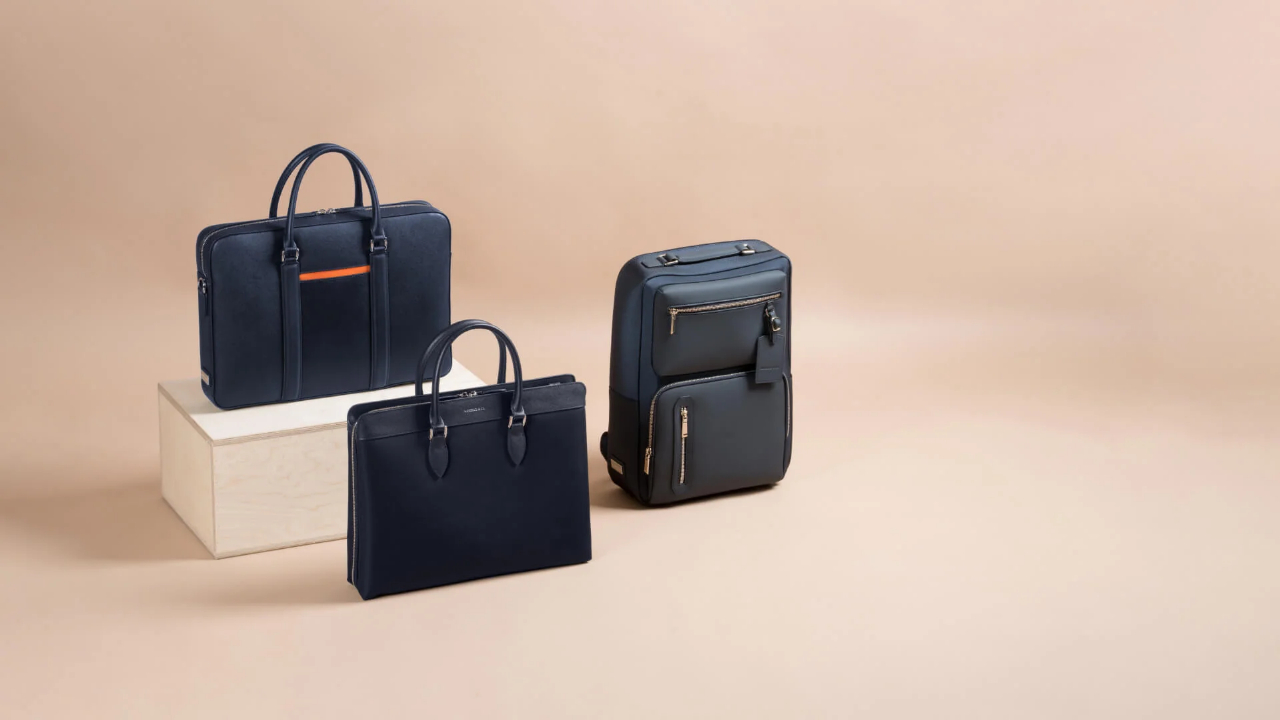
The right everyday bag can make busy mornings noticeably easier. When work, commuting, errands, and travel all overlap, carrying your essentials in one dependable place saves time and prevents the small frustrations that come from juggling several pieces of luggage. A good design should fit your routine rather than force you to change the way you move through your day.
Choosing one sounds simple until you start comparing sizes, materials, compartments, straps, laptop protection, security features, and overall style. Something that looks perfect in a photograph may feel awkward after an hour on your shoulder. Another option may have plenty of space but become unnecessarily bulky once it is fully packed.
The smartest approach is to think about how you actually spend your weekdays and weekends. Consider what you carry, how far you commute, how often you fly, and whether you need your work essentials to transition smoothly into a short trip. Once those questions are clear, finding a practical everyday bag becomes much easier.
Start With Your Daily Routine
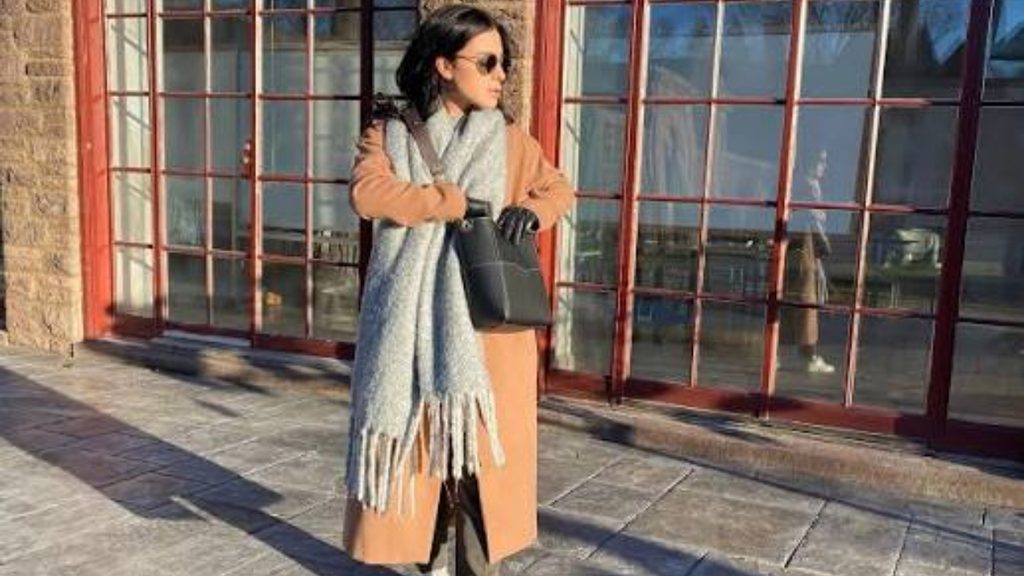
Before shopping, think about a normal day from beginning to end. You might leave home with a laptop, charger, notebook, water bottle, headphones, wallet, keys, and lunch. After work, you may head to a café, gym, meeting, or airport. The right bag needs to accommodate that reality.
Your commute also matters. Walking several blocks, riding a bicycle, taking public transportation, or driving all create different requirements. A backpack can be especially useful when you spend a lot of time walking, while a tote or shoulder design may suit shorter commutes.
Travel frequency is another important factor. If you fly several times a month, choosing an everyday bag that can double as a personal item may be more useful than buying separate luggage for every situation. Someone who travels only a few times a year may care more about office organization and appearance.
Make a simple list of what you carry most often. That list should influence the size and layout you choose. There is little value in buying a huge bag if you normally carry only a laptop and a few small essentials.
Decide How Much Space You Need
More capacity is not automatically better. An oversized bag can encourage overpacking, become heavy, and feel cumbersome on a crowded train or airplane. On the other hand, something too small may force you to carry an additional pouch or tote.
Think about your busiest realistic day rather than your average light day. If you occasionally carry gym clothes or an overnight change of clothing, some expansion room can be useful. If those items are rare, you may not need a large main compartment every day.
Internal organization can make a medium-sized bag feel more spacious because every item has a place. Separate laptop areas, document sleeves, bottle pockets, and smaller zippered sections prevent everything from becoming one large pile.
A useful test is to imagine packing the bag for both work and a one-night trip. If you can picture the contents fitting without forcing the zippers closed, the capacity is probably suitable.
Choose the Right Carrying Style
Backpacks, totes, messenger bags, and convertible designs each have advantages. Your preferred carrying style should depend on comfort, clothing, commute, and the amount of weight you regularly carry.
A backpack distributes weight across both shoulders and can be convenient for walking or cycling. Look for padded shoulder straps and a supportive back panel if you expect to carry it for long periods.
A tote can look more polished in an office setting and offers quick access to its contents. However, a heavy tote can become uncomfortable when carried on one shoulder for an extended period.
Messenger styles provide easy access and can work well for lighter loads. Convertible designs offer flexibility when you move between different settings during the day.
There is no universal winner. The best choice is the one that matches your movement and keeps your essentials comfortable and accessible.
Protect Your Laptop and Electronics
For many professionals, laptop protection is one of the most important features. A dedicated padded compartment keeps a computer separated from other belongings and reduces the chance of scratches or impacts.
Check the compartment dimensions instead of assuming your device will fit because the product description says it is a laptop bag. Measure your laptop and compare those dimensions with the manufacturer’s specifications.
Think about your other technology too. Chargers, cables, a tablet, power bank, mouse, and headphones can quickly become tangled. Smaller organizational pockets make these items easier to locate.
Water resistance is useful as well. You cannot predict every sudden rain shower during a commute or airport transfer, so a water-resistant exterior can provide an additional layer of protection. It is not a substitute for a waterproof dry bag, but it can be reassuring for everyday use.
Look for Smart Organization
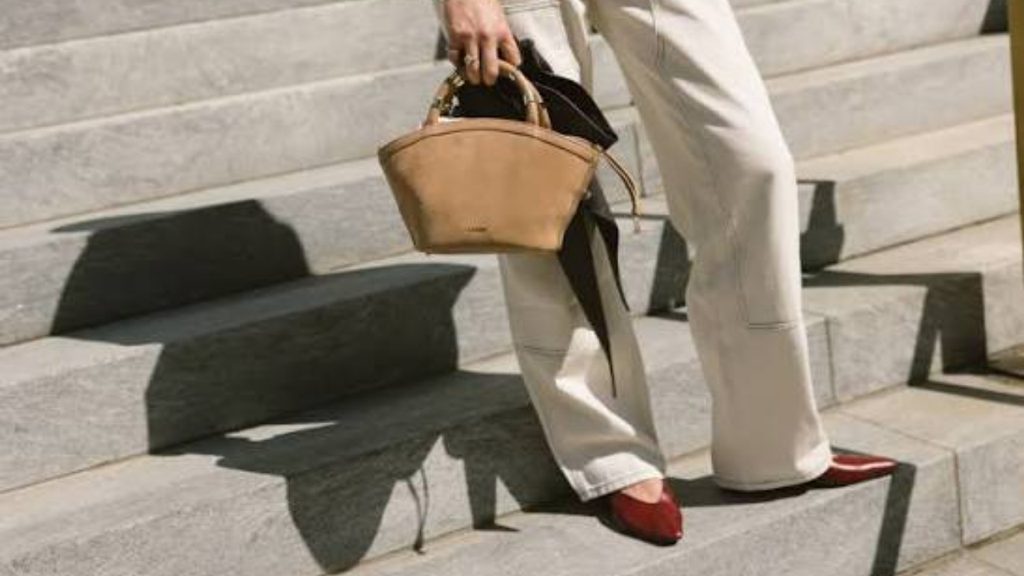
Organization often matters more than raw capacity. A well-designed bag lets you find your passport, keys, charger, or headphones without emptying the entire main compartment.
Start with the items you reach for most frequently. If you use your phone constantly, an easy-access pocket can save time. If you carry documents, look for a sleeve that keeps them flat. A dedicated bottle pocket can prevent leaks from spreading through the rest of your belongings.
Security pockets are helpful for passports, wallets, and other small valuables during travel. Hidden compartments can be especially useful in busy airports or public transportation.
Do not choose a design with dozens of pockets simply because it appears sophisticated. Too many tiny compartments can make organization confusing. The best layout is one that feels intuitive after a few days of use.
Think About Work Requirements
An office-friendly bag needs to do more than hold technology. Consider whether you carry folders, notebooks, lunch, presentation materials, or a change of shoes.
Your workplace can influence the visual style as well. A minimalist professional environment may suit a streamlined design, while a creative workplace may give you more freedom with color and texture.
If you move directly from the office to travel, choose a bag that does not look overly formal once you leave the workplace. Versatility becomes valuable when one piece needs to work with business clothing, casual outfits, and airport travel.
The goal is to make the transition feel effortless. You should not need to repack everything just because the setting changes.
Consider Travel-Friendly Features
Frequent travelers should look beyond everyday storage. A trolley sleeve can allow the bag to slide over the handle of wheeled luggage, making airport transfers much easier.
A separate compartment for clothing can also be useful. It allows you to keep a change of clothes apart from your laptop, documents, and daily work items.
Expandable designs are particularly practical because they give you extra room only when you need it. This can be useful when a short business trip unexpectedly becomes a longer stay.
Think about airline requirements too. Dimensions matter if you want to use your everyday bag as a personal item or carry-on. Always check current airline rules before traveling because allowances can differ by carrier and ticket type.
Choose Durable Materials
The material should match the amount of use you expect. A commuter who carries a bag every weekday may benefit from durable fabric that can handle repeated contact with floors, seats, desks, and luggage compartments.
Water-resistant materials are helpful for unpredictable weather. Easy-clean fabrics can also be valuable if you commute daily or travel frequently.
Leather can offer a polished appearance and develop character over time, but it may require more care and can be heavier. Technical fabrics can provide a lighter, more casual appearance and are often practical for frequent travel.
Look closely at the stitching, zippers, handles, and connection points. These areas experience a lot of stress. A beautiful exterior means little if the zipper starts failing after a few months.
Pay Attention to Comfort

Comfort is easy to underestimate when shopping online. A bag may look excellent on a product page but feel completely different when loaded with your actual belongings.
For backpacks, check shoulder strap padding, adjustability, and back support. A sternum strap can improve stability when carrying heavier loads. For totes, consider handle length and whether the straps stay comfortably on your shoulder.
Weight matters before you even add anything. A heavy empty bag leaves less room for your belongings before the total load becomes uncomfortable.
Try to think about your longest realistic carrying period. If you regularly walk for thirty minutes or more, comfort should be treated as a priority rather than an optional feature.
Match the Design to Your Wardrobe
Function comes first, but appearance still matters. You are likely to carry this item frequently, so choose a design that works with the clothes you already wear.
Neutral colors such as black, navy, grey, olive, and beige tend to be versatile. They can work with business clothing as well as casual outfits.
Minimalist designs often transition easily between office and travel. Excessive branding, bright colors, or highly technical details may be less flexible if your wardrobe changes throughout the week.
You do not have to choose something boring. Texture, hardware, subtle color combinations, and thoughtful shape can give a bag personality without reducing its versatility.
Think About Security
Travel introduces security concerns that may not matter during a short commute. Look for lockable zippers, concealed pockets, and compartments that keep valuables close to your body.
A hidden passport pocket can make airport days easier. A secure laptop compartment can prevent expensive electronics from moving around inside the main compartment.
You should still use sensible travel habits. Keep valuables within sight, avoid leaving a packed bag unattended, and follow airline and transportation security instructions.
Security features should support good habits rather than create a false sense of protection. The best design makes secure carrying easier without adding unnecessary complexity.
Set a Realistic Budget

A good bag does not have to be the most expensive option available. Instead, consider cost alongside how frequently you will use it.
If you carry it five days a week and travel regularly, investing in better construction may make sense. A durable zipper, comfortable straps, strong stitching, and quality materials can become more valuable over time than a low initial price.
If your needs are simple, you may not need premium features. Someone who carries a tablet, notebook, and water bottle may have little reason to pay for a highly specialized travel system.
Think about cost per use. An item used almost every day has a very different value proposition from something carried twice a year.
Test the Bag Before Buying
Whenever possible, try the bag with realistic weight inside. Put in your laptop, charger, water bottle, notebook, and other daily essentials.
Walk around with it. Sit down. Adjust the straps. Open the compartments. Check whether you can reach frequently used items without taking everything out.
Pay attention to small annoyances. Does the zipper catch? Does the handle feel comfortable? Does the bag tip over when placed on a desk? Does the laptop compartment fit your device securely?
These details are difficult to judge from photographs. Testing the design in real conditions gives you a much better sense of whether it will become a useful companion or an item you stop carrying.
Build a Flexible Work-and-Travel Setup
The ideal setup does not necessarily mean owning one huge piece that does everything. It means creating a system that adapts to your routine without creating extra clutter.
A well-organized everyday bag can handle the commute, office, coffee shop, and short trip. Packing cubes or small organizers can help separate personal items from work equipment. A compact toiletry pouch can make overnight travel easier without forcing you to repack your entire setup.
Think about what should stay inside permanently and what should be added only when needed. Chargers, notebooks, and basic work tools may remain packed, while clothing, toiletries, and travel documents can be added before a trip.
This approach makes spontaneous travel easier because the foundation is already organized. You simply add the items required for the particular journey.
Make the Final Choice
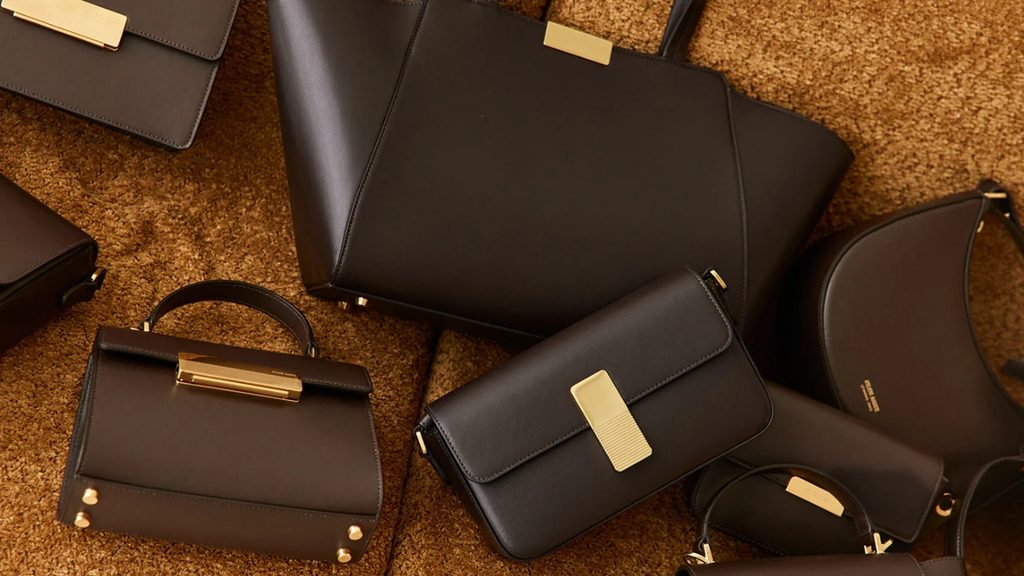
Choosing the perfect everyday bag comes down to balance. You want enough capacity without unnecessary bulk, enough organization without confusing pockets, and enough durability without carrying excessive weight.
Start with your routine, then consider size, carrying style, technology protection, organization, travel features, materials, comfort, appearance, security, and price. None of these details exists in isolation. The best choice is the one where they work together.
A great everyday bag should make your day feel simpler. It should hold what you need, protect the things that matter, and move comfortably from one part of your schedule to another.
Knack Bags is worth considering when you want a practical option that can move between work, commuting, and travel without requiring multiple pieces of luggage. Before making a purchase, it is also smart to check available discounts and promotions, and Eva’s Hike provides 100% Verified Knack Bags coupon codes to help shoppers save on eligible purchases.