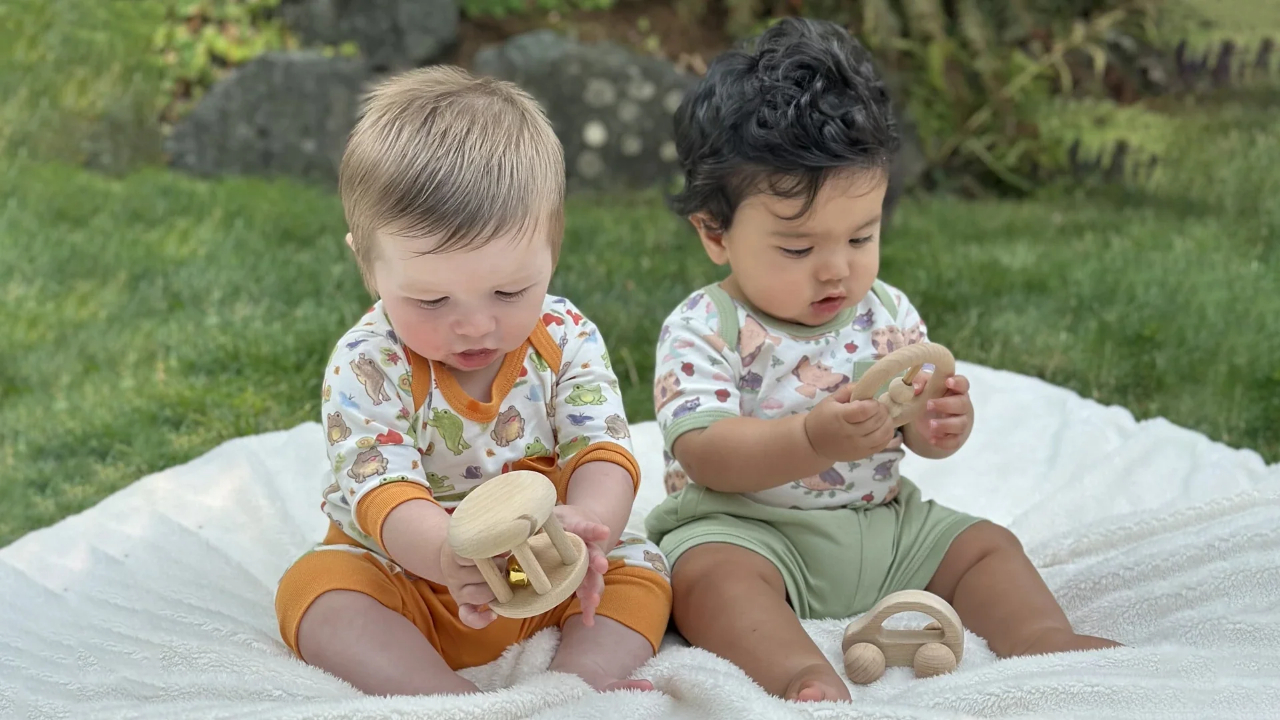
Dressing a baby sounds simple until you are standing in front of a drawer full of tiny onesies, wondering which fabric feels comfortable, which size will actually fit, and whether that adorable outfit is practical enough for a very active little person. Babies go through clothes quickly, too. There are naps, feeds, diaper changes, spills, warm afternoons, chilly mornings, and plenty of laundry in between.
That is why choosing organic baby clothing is less about creating a picture-perfect wardrobe and more about making thoughtful choices that work in everyday life. The right pieces should feel soft, allow plenty of movement, be easy to put on and take off, and hold up after repeated washing.
Organic baby clothing can also be a useful choice for parents who want to pay closer attention to how fabrics are produced, processed, dyed, and labeled. However, the word “organic” alone should not be the only thing you look at. Certifications, construction, fit, safety, comfort, and practicality all matter.
From newborn basics to seasonal layers, here is what to consider when building a baby wardrobe that feels comfortable, functional, and easy to live with.
Why Organic Baby Clothing Is Worth Considering


A baby’s wardrobe does not need to be complicated. In fact, simple usually works best. Babies spend much of their time sleeping, feeding, crawling, being carried, or playing on the floor, so clothing needs to support those activities rather than get in the way.
One reason parents explore organic baby clothing is to learn more about the materials used in their child’s garments. Organic fibers can be produced under standards that address agricultural practices, while textile certifications can provide additional information about processing and manufacturing.
That distinction is important. “Organic” does not automatically mean that a finished garment has been certified under a particular textile standard. For example, GOTS covers the processing and manufacturing chain for textiles made with certified organic fibers and includes environmental and social criteria. Its current standard also sets requirements for chemical inputs and other production practices.
The bigger idea is simple: look beyond a marketing phrase and examine what the label actually tells you.
Start With the Fabric
Fabric is one of the first things to examine when choosing organic baby clothing. Cotton is popular because it is breathable, familiar, and relatively easy to wash. Organic cotton may appeal to parents who want clothing made from certified organic fibers.
But the fiber itself is only part of the story. A beautifully labeled garment can still feel uncomfortable if the fabric is stiff, scratchy, overly heavy, or poorly finished.
Look for fabrics that feel soft against the skin and have enough flexibility for everyday movement. Lightweight jersey is useful for everyday basics, while ribbed materials can work well when you want a little more stretch.
For colder weather, layering is generally more practical than putting a baby into one extremely thick garment. A breathable base layer can be combined with another layer depending on the temperature.
When shopping for organic baby clothing, run your hand over the material if possible. Pay attention to how it feels on the inside of the garment, not just how attractive it looks from the outside.
Look for Trusted Organic Certifications
One of the easiest ways to become confused while shopping for organic baby clothing is to assume that every use of the word “organic” means exactly the same thing.
Certifications can make labels easier to understand.
The Global Organic Textile Standard, commonly known as GOTS, is particularly useful because it addresses organic fiber content as well as processing, manufacturing, labeling, and other supply-chain requirements. Under the current GOTS labeling system, the “organic” grade requires at least 95% certified organic fibers, while “made with organic materials” requires at least 70%.
Another certification worth recognizing is OEKO-TEX STANDARD 100. It is not an organic certification. Instead, it focuses on testing textiles for harmful substances, with stricter requirements for products intended for babies and children.
These certifications answer different questions. One can tell you more about organic textile production, while the other addresses textile safety testing.
When shopping for organic baby clothing, check the actual certification name and, where available, certification or license information rather than relying on vague phrases such as “natural” or “eco-friendly.”
Pay Attention to Dyes and Finishes
The fabric may be organic, but it is still worth thinking about everything that happens after the fiber is produced.
Clothing can go through spinning, knitting or weaving, dyeing, printing, finishing, and manufacturing before it reaches a store. Those processes can affect the final garment.
This is another reason credible textile standards can be useful. GOTS includes requirements for chemical inputs used during textile processing, while OEKO-TEX STANDARD 100 tests finished textile articles for harmful substances.
You do not need to become a textile chemist before buying a baby bodysuit. Instead, look for transparent product information and recognizable certifications.
It can also be sensible to wash new clothes before your baby wears them. Washing removes residues from manufacturing, storage, and handling while giving you a chance to see how the fabric behaves after its first wash.
For organic baby clothing, simple designs with clear material information are often easier to evaluate than garments covered in complicated finishes, decorative details, or unnecessary embellishments.
Choose Soft, Comfortable Construction
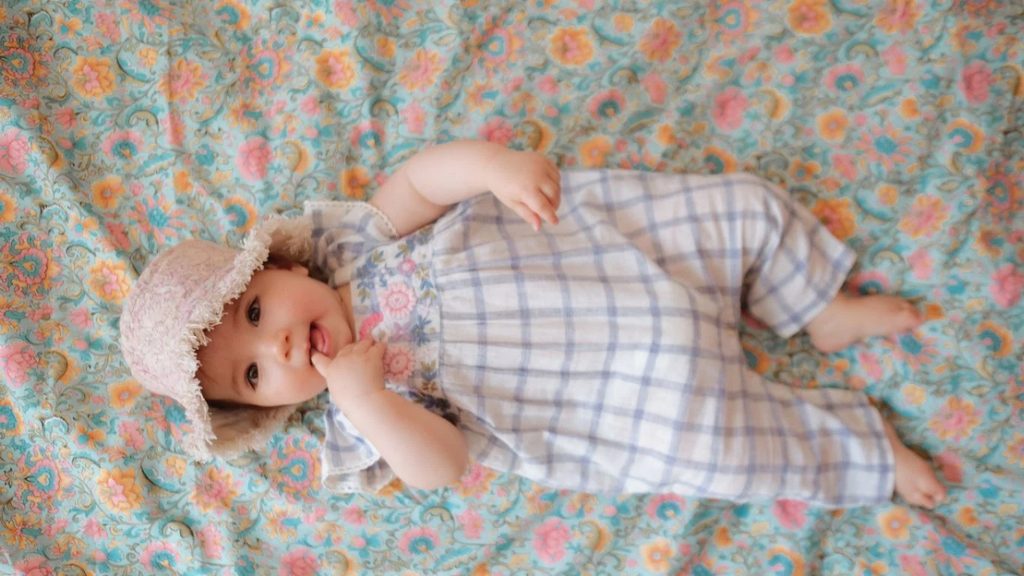
A soft fabric is great, but construction matters just as much.
Imagine wearing a shirt with a scratchy tag, stiff seam, bulky decoration, or tight elastic all day. A baby cannot tell you that something is irritating them, so clothing design deserves extra attention.
Check the inside of the garment. Look at seams, labels, elastic, cuffs, snaps, and decorative elements. Flat or smooth seams can be more comfortable, particularly for babies who spend a lot of time lying down.
Organic baby clothing should also allow natural movement. Babies kick, stretch, curl their legs, wave their arms, and gradually begin rolling, sitting, crawling, and walking. Clothing that restricts those movements is unlikely to become a wardrobe favorite.
Avoid buying something simply because it photographs beautifully. A practical outfit that your baby can comfortably wear for several hours is usually more valuable than a complicated outfit that looks impressive for five minutes.
Get the Fit Right
Baby sizing can be surprisingly inconsistent. One brand’s three-month size may fit differently from another brand’s version of the same size.
That makes measurements more useful than relying only on age labels.
When choosing organic baby clothing, check the brand’s size chart and consider your baby’s current height, weight, and body shape. If your baby is between sizes, think about how the garment is intended to fit.
You want enough room for movement without creating excess fabric that becomes cumbersome. Oversized clothing may seem like a smart way to get more wear from an item, but too much extra material can make dressing, crawling, and playing less comfortable.
Stretch also matters. A flexible neckline can make pulling a shirt over a baby’s head easier, while snaps at the crotch can simplify diaper changes.
Remember that babies grow quickly. You do not need to fill an entire wardrobe with clothes in several future sizes. A smaller collection of well-fitting essentials is often more practical.
Think About Layers and Temperature
Babies cannot regulate their body temperature exactly like older children and adults, so dressing should be based on the environment rather than simply the calendar.
The American Academy of Pediatrics advises caregivers to consider the surrounding temperature when dressing babies and generally suggests no more than one additional layer compared with what an adult would comfortably wear. Signs such as sweating, flushed skin, or a hot chest can indicate overheating.
This makes layering particularly useful.
Instead of buying one heavy outfit for every cold day, you can build an outfit with a soft base layer, a middle layer when needed, and an appropriate outer layer for going outside.
Organic baby clothing can work particularly well as part of a flexible layering system because lightweight pieces can be combined in different ways throughout the day.
For warm weather, breathable fabrics and simple silhouettes are often enough. For cooler conditions, add layers gradually rather than automatically dressing a baby in the thickest clothes available.
Make Everyday Dressing Easier
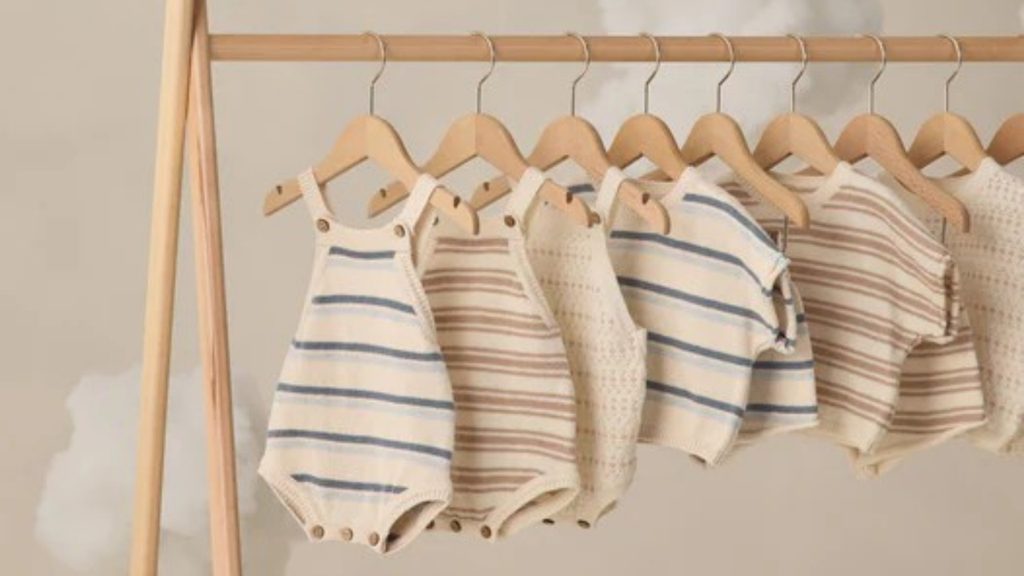
New parents quickly discover that convenience matters.
An outfit may look wonderful, but if it takes several minutes to put on while the baby is crying and needs a diaper change, it will probably spend more time in the drawer than expected.
Look for practical features such as envelope necklines, front openings, snaps, flexible waistbands, and easy-access closures.
Organic baby clothing is most useful when it fits naturally into your daily routine. Bodysuits, sleepsuits, leggings, soft tops, and simple layers tend to get more use than highly structured outfits.
Think about the number of diaper changes that happen during a normal day. Anything that makes those changes easier is worth considering.
It is also useful to avoid unnecessary buttons, stiff collars, complicated fastenings, or decorative pieces that make an otherwise simple garment harder to use.
A good baby wardrobe should save time rather than create another task.
Choose Clothes That Survive Frequent Washing
Baby clothes get washed. A lot.
Spit-up, milk, food, drool, diaper accidents, grass, dust, and everyday messes can quickly turn clean clothing into laundry.
That means durability should be part of the buying decision. When comparing organic baby clothing, check the care instructions before purchasing. A garment that requires delicate handling every time may not be practical for everyday use.
Look for strong seams, quality stitching, reliable snaps, and fabrics that maintain their shape after washing.
You can also extend the life of clothes by following the care label instead of automatically using the hottest wash or dryer setting. Washing garments inside out can sometimes help protect prints and colors, while sorting clothes by fabric and color can reduce unnecessary wear.
There is also a financial advantage to buying durable pieces. A bodysuit that survives repeated washing can be passed down to a younger sibling or another family instead of being discarded after a few wears.
Dress Babies Differently by Season
A baby’s clothing needs can change dramatically throughout the year.
During warmer months, organic baby clothing made from lightweight and breathable fabrics can help create comfortable everyday outfits. Simple bodysuits, loose tops, lightweight pants, and soft rompers can form the foundation of a summer wardrobe.
When temperatures fall, layering becomes more useful. Long-sleeve bodysuits, cardigans, leggings, socks, and warm outer layers can be combined depending on the weather.
The goal is not to make every outfit season-specific. A versatile wardrobe gives you more options.
For example, a lightweight bodysuit can work alone on a warm day and underneath a cardigan when temperatures drop. This makes each item more useful and reduces the number of clothes you need to purchase.
The AAP also recommends avoiding overheating and taking the surrounding temperature into account when dressing babies.
In other words, more clothing is not automatically better clothing.
Pick Safe Sleepwear
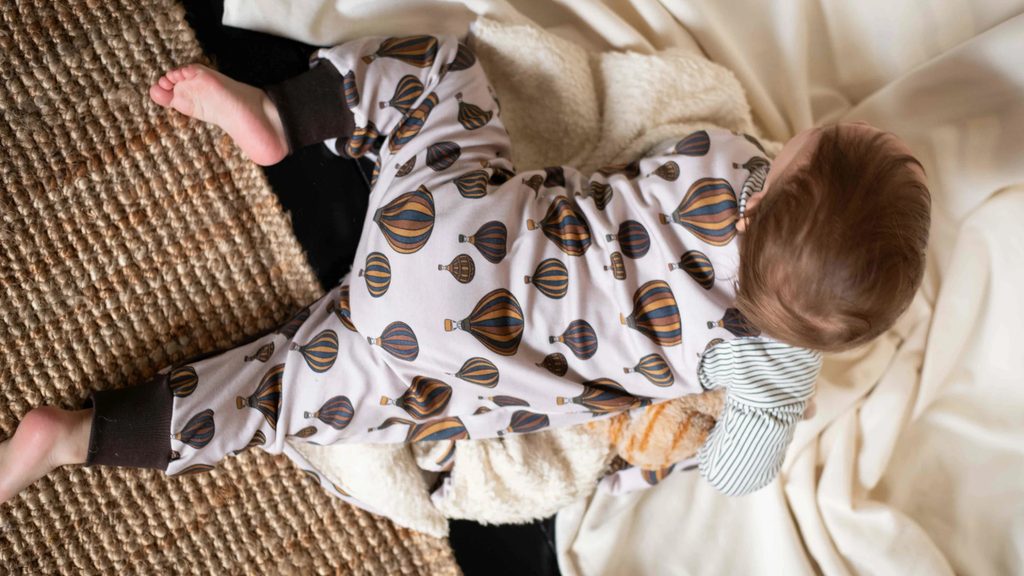
Sleepwear deserves its own category because nighttime clothing is connected to safe-sleep practices.
Parents often want to make babies feel cozy at night, but piling on blankets or excessively warm clothing is not the safest approach. The American Academy of Pediatrics recommends avoiding loose bedding and overheating, and wearable blankets or appropriately sized sleepwear can be used as alternatives to loose blankets.
When choosing organic baby clothing for sleep, select pieces designed specifically for sleep and make sure they fit correctly.
If you use a swaddle, follow current safe-sleep guidance and stop swaddling once the baby shows signs of trying to roll. Weighted swaddles and weighted sleep products should also be avoided.
Avoid adding hats to a sleeping baby’s indoor outfit simply for warmth. The AAP notes that overheating is a concern and advises against indoor hats for infants.
The best sleepwear is comfortable, appropriately sized, and compatible with a safe sleep environment.
Consider Durability and Sustainability
Buying organic baby clothing can be part of a broader effort to shop more thoughtfully, but sustainability does not have to mean buying everything labeled “green.”
One of the simplest approaches is to buy fewer pieces that get worn frequently.
Think about cost per wear rather than just the price tag. A durable bodysuit worn 30 times may be a better purchase than three inexpensive outfits that quickly lose their shape.
You can also consider what happens after your baby outgrows something. Clothes in good condition can often be passed to siblings, friends, relatives, community organizations, or resale platforms.
Choosing versatile colors and simple designs can make hand-me-downs easier, too.
Organic baby clothing may be appealing because organic fiber standards can address parts of the textile supply chain, but responsible consumption also involves how much you buy, how long garments last, and whether they remain useful after the first child.
A sustainable wardrobe is not necessarily the largest or most expensive one. It is often the wardrobe that gets used well.
Build a Practical Baby Clothing Checklist
Before buying another adorable miniature outfit, it helps to have a basic checklist.
A practical collection of organic baby clothing might include:
- Bodysuits for everyday wear
- Soft sleepsuits or pajamas
- Lightweight tops
- Stretchy pants or leggings
- Cardigans or easy layers
- Socks appropriate for the season
- A weather-appropriate outer layer
- Comfortable hats for outdoor use when needed
- A few special outfits for occasions
The exact number depends on how frequently you do laundry and the climate where you live.
For newborns, you may also want several easy-access outfits because diaper changes can happen frequently. However, avoid buying too many newborn-size pieces before you know how quickly your baby will move into the next size.
When choosing organic baby clothing, prioritize pieces that can be mixed and matched. A small capsule-style wardrobe can make mornings easier because most pieces work together.
It is also helpful to keep a few spare outfits in the diaper bag. Babies have a remarkable talent for creating messes at precisely the moment you have forgotten to pack a change of clothes.
Common Mistakes to Avoid When Buying Baby Clothes
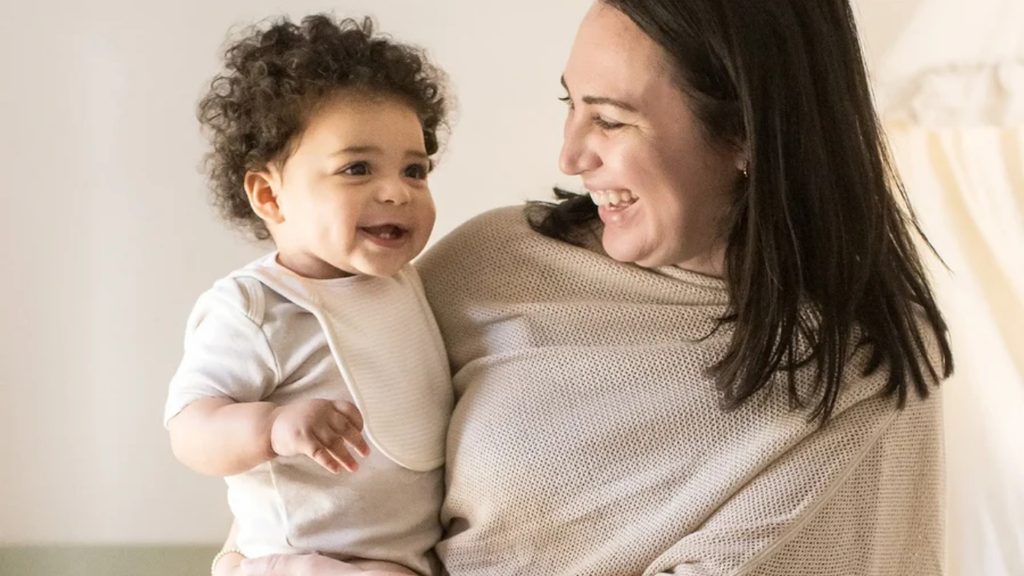
Even with the best intentions, it is easy to make a few mistakes when building a baby’s wardrobe.
The first is buying too much. Babies grow quickly, and a drawer packed with clothes does not necessarily mean you have a practical wardrobe.
The second is focusing only on appearance. Cute prints and tiny details are fun, but comfort and function should come first.
Another common mistake is assuming that “organic” automatically answers every question. Certification, fabric composition, construction, dyes, finishing, and care instructions still deserve attention.
Parents should also be careful with cords and decorative elements. For older children’s outerwear, the U.S. Consumer Product Safety Commission identifies certain hood, neck, waist, and bottom drawstrings as hazards because they can catch on objects and create entanglement or strangulation risks.
Finally, avoid dressing babies too warmly just because they seem small and delicate. Pay attention to the environment and signs of overheating instead.
The best organic baby clothing choices are rarely the most complicated ones. They are the clothes that feel comfortable, fit properly, wash well, make daily routines easier, and suit the baby’s stage of development.
Building a baby wardrobe does not have to become a never-ending shopping project. Start with a few dependable basics, pay attention to fabrics and certifications, and choose pieces that can handle real life.
Organic baby clothing can be a thoughtful part of that approach, especially when you look beyond the label and consider the complete garment. Softness, fit, safety, durability, practicality, and responsible production all have a place in the decision.
At the end of the day, the best baby outfit is not necessarily the fanciest one. It is the one your little one can comfortably move, play, sleep, and grow in while making everyday life easier for you. Choosing thoughtfully made pieces from the Burt’s Bees Baby store can be a simple way to build a practical wardrobe with comfort in mind. And when you are ready to shop, Eva’s Hike provides 100% verified Burt’s Bees Baby coupon codes, helping you save on your next purchase from the Burt’s Bees Baby store while choosing comfortable essentials for your little one.