A well-designed outdoor space can become one of the most enjoyable parts of a home. It can be the place where you drink coffee before the day gets busy, read a book in the afternoon, share dinner with friends, or simply sit outside when you need a change of scenery. The good news is that creating an outdoor space that feels comfortable and inviting does not require a huge yard or an unlimited decorating budget.
The most successful outdoor spaces usually begin with a simple question: how do you actually want to use the area? Once that answer is clear, furniture, lighting, greenery, textiles, and accessories become much easier to choose. Instead of filling every empty corner, you can build an outdoor space around the moments you want to enjoy.
Whether you have a spacious backyard, a narrow patio, a covered porch, or a small balcony, thoughtful planning can make the area feel like a natural extension of your home. Here are practical ideas for creating an outdoor space that feels warm, personal, comfortable, and ready for both quiet evenings and casual gatherings.
Start With How You Want to Use the Area

Before buying anything, spend a little time thinking about what you want your outdoor space to do. This sounds obvious, but it can prevent a lot of expensive mistakes. A space designed mainly for family dinners needs a different layout from one intended for morning coffee or weekend lounging.
Think about your normal routine. Do you picture yourself stretching out with a book? Do you want somewhere for children to play? Will friends regularly come over for drinks and conversation? Perhaps you want a mixture of all three. Write down the activities that matter most, then give each one a practical place in your outdoor space.
For entertaining, keep conversation areas open and easy to move around. For relaxing, prioritize comfortable seating and a small table where you can place a drink, phone, or book. If meals are important, leave enough room for a dining table and chairs without making the outdoor space feel crowded.
Also consider when you will use the area. A sunny corner might be perfect in the morning but uncomfortable during late afternoon. Wind direction, shade, privacy, and access from the house all affect whether an outdoor space will actually be used.
Choose Furniture That Encourages Relaxation
A good outdoor space should also feel like an easy escape from the pace of the house. When the layout supports that feeling, even a modest outdoor space can seem more special.
Furniture has a major influence on how an outdoor space feels. A beautiful patio can still feel uninviting if the chairs are stiff, the sofa is too small, or there is nowhere to put a cup down. Comfort should therefore be one of the first things you consider.
Start with the largest pieces. Depending on the size of your outdoor space, this might mean a sofa, loveseat, lounge chairs, or a dining set. Do not automatically choose the biggest option available. A large sectional can overwhelm a compact patio and leave very little room for movement.
Instead, measure the area first and think about circulation. You should be able to walk around the furniture without constantly squeezing between chairs. Leave enough room to pull out dining chairs, open doors, and move comfortably between different parts of the outdoor space.
Material matters, too. Wicker, rattan, metal, and other outdoor-friendly materials can create different moods. Cushioned seating generally gives an outdoor space a softer, more relaxed appearance, while streamlined metal or wood pieces can create a cleaner modern look.
If you are furnishing a larger outdoor space, a modular seating arrangement can be especially useful because it can adapt when you have guests. Hillga, for example, currently offers outdoor wicker sofa and conversation sets in several configurations, including three-piece, five-piece, six-piece, and larger arrangements. Its collection also includes swivel seating and ottomans, giving homeowners different ways to build a comfortable setup.
Create a Comfortable Seating Arrangement
The goal is to make every seat feel like it belongs in the outdoor space rather than looking like an extra chair that was added at the last minute.
Once you have chosen the main furniture, pay attention to how everything is positioned. A comfortable outdoor space is not simply a collection of chairs placed wherever there is room. The arrangement should encourage people to sit down and interact.
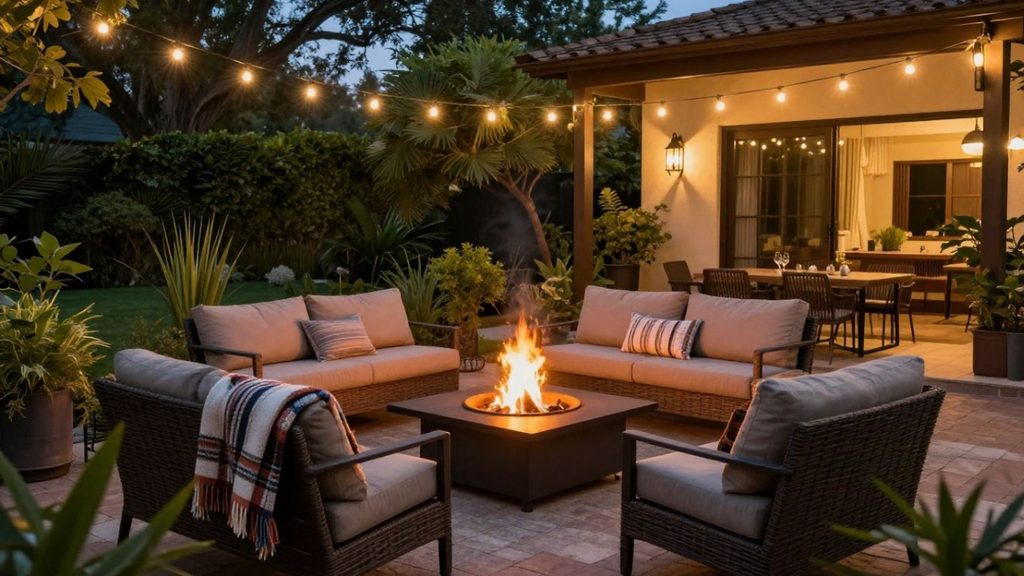
For a conversation area, position seating so people can see one another without turning their bodies awkwardly. A sofa facing two chairs works well for small groups, while a larger sectional can create a more intimate feeling in a spacious yard.
Avoid pushing every piece against a wall or fence simply because the center looks empty. Floating furniture slightly away from the edges can make an outdoor space feel more intentional. It can also create a natural boundary between the seating area and other zones.
A small table between chairs is another useful addition. It gives guests somewhere to place drinks and snacks and makes the seating feel more complete. Side tables are especially helpful when you do not want a large coffee table taking up valuable floor space.
Think about flexibility as well. Lightweight accent chairs or stools can be moved when more people arrive. Swivel chairs can make conversations easier because people can turn toward different parts of the outdoor space without dragging heavy furniture across the floor.
Add Soft Textiles and Cushions
These small additions can make an outdoor space feel much closer to an outdoor living room, especially when the colors connect naturally with the interior.
Outdoor furniture can sometimes look a little too hard or formal on its own. Soft textiles are an easy way to make an outdoor space feel more welcoming. Cushions, outdoor rugs, throws, and pillows can add comfort while also bringing color and personality into the design.
Start with the seating. Choose cushions that support how you actually sit rather than selecting them only because they look attractive. Deeper cushions can create a relaxed lounge feeling, while firmer seating may work better around a dining table.
An outdoor rug can visually define a seating zone, especially on a large patio. It creates the feeling of a room without requiring walls. Choose a rug designed for outdoor conditions and make sure its dimensions fit the furniture arrangement.
Pillows are useful for introducing patterns without committing to a major color change. You can use neutral cushions as the foundation and add one or two stronger shades through pillows or a small throw.
Do not overload the area with fabric, though. The best outdoor space designs feel comfortable but still practical. Choose materials that can handle the conditions where you live and that are easy to clean when needed.
Use Lighting to Change the Mood
For an outdoor space that is used frequently at night, layered lighting is far more useful than relying on one bright fixture.
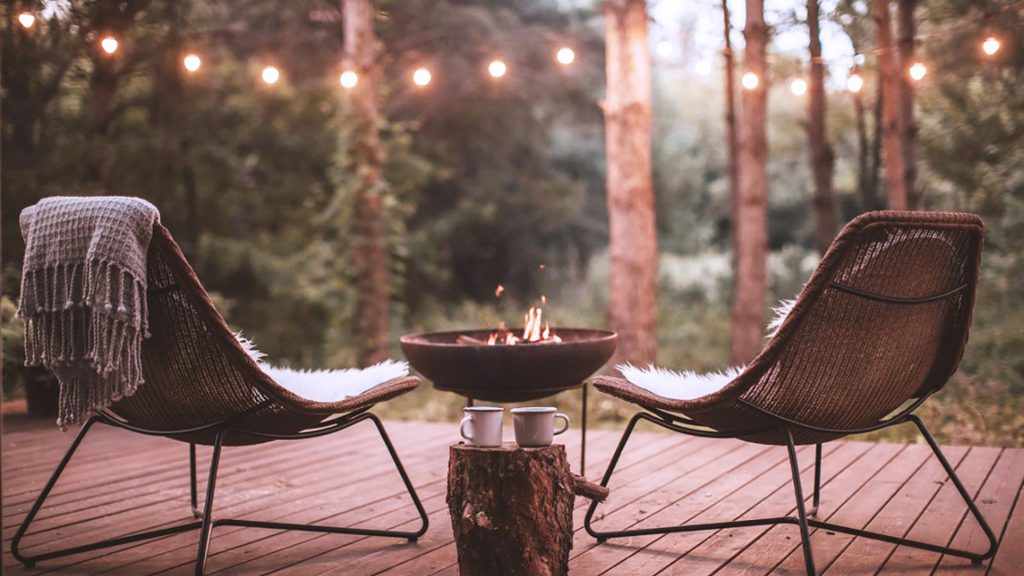
Lighting can completely change an outdoor space after sunset. During the day, furniture and plants may be the main visual features, but at night, lighting becomes part of the atmosphere.
String lights are a popular choice because they create a warm glow without requiring major installation. You can hang them overhead, attach them along a fence, or use them to outline a covered seating area.
Lanterns can add another layer of light and work especially well on tables, steps, or low walls. Solar-powered lights are useful for pathways and garden edges because they can provide gentle illumination without needing an outlet.
The goal is not to make the entire outdoor space as bright as possible. Too much harsh light can remove the relaxed feeling you are trying to create. Instead, use several softer light sources at different heights.
Consider practical lighting too. Steps, entrances, pathways, and cooking areas need enough visibility to be safe. Once those essentials are covered, decorative lighting can make the outdoor space feel warmer and more inviting.
Bring in Plenty of Greenery
Even a few plants can give an outdoor space a more finished appearance and make hard surfaces feel softer.
Plants can make an outdoor space feel connected to nature almost instantly. You do not need a complicated garden design to get the effect. A few well-placed planters can make a surprisingly large difference.
Use plants at different heights to create visual depth. Tall planters can frame a seating area, medium plants can fill corners, and smaller pots can decorate tables or shelves. This layered approach keeps an outdoor space from looking flat.
Choose plants based on the actual conditions. Consider sunlight, wind, temperature, and how frequently you are willing to water them. Low-maintenance plants are often the better choice for people who want to enjoy an outdoor space without turning gardening into another full-time responsibility.
You can also use greenery to soften furniture. A row of planters behind a sofa can create a natural backdrop, while climbing plants can make a fence or plain wall feel more attractive.
If your outdoor space is small, use vertical options. Wall planters, hanging baskets, and tall narrow containers add greenery without taking much floor area.
Add Privacy Without Closing Everything Off
The right privacy feature can make an outdoor space feel peaceful without making it feel isolated.
Privacy can make an outdoor space feel much more comfortable, particularly when neighbors are close by. However, completely blocking the surroundings can make a small area feel enclosed.
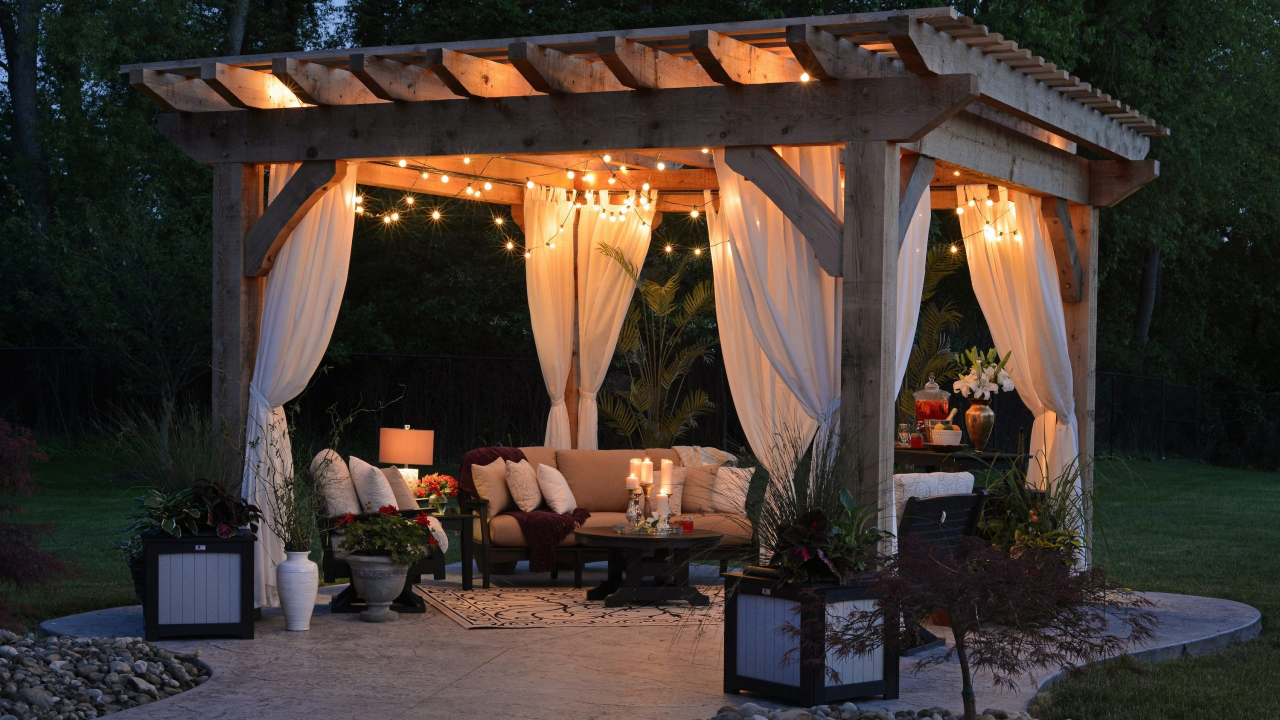
Think in layers instead. Tall plants, planters, decorative screens, curtains, pergolas, and strategically placed furniture can create privacy without turning the outdoor space into a box.
For a patio near a neighboring property, a tall planter with dense foliage can create a softer boundary than a solid wall. Outdoor curtains can provide temporary privacy and can be opened when you want more airflow or a wider view.
A privacy solution should also fit the style of the space. Natural materials work beautifully in relaxed outdoor space designs, while clean-lined screens can suit contemporary patios.
Do not forget privacy from above. A pergola, canopy, or umbrella can make a seating area feel more sheltered while also helping with sunlight. The right combination can give you a private outdoor space without sacrificing openness.
Choose a Practical Color Palette
A consistent palette also helps an outdoor space feel visually connected to the rooms immediately inside the house.
Color helps determine the personality of an outdoor space. You do not need to follow complicated design rules, but choosing a simple palette can make the area feel more cohesive.
Start with one dominant neutral. Warm beige, gray, cream, brown, or natural wood tones can provide a flexible foundation. Then add one or two accent colors through cushions, planters, rugs, or accessories.
Think about the colors already surrounding the area. Your house exterior, fence, decking, and garden may already provide several strong tones. The outdoor space should complement those elements rather than compete with them.
If you prefer a calm atmosphere, keep most pieces within the same neutral family and use greenery as the main source of color. For a more energetic entertaining area, brighter cushions or patterned textiles can create a livelier mood.
Remember that outdoor space colors can look different in direct sunlight compared with evening light. When possible, look at fabric and furniture samples at different times of day before committing.
Create a Dining Area for Entertaining
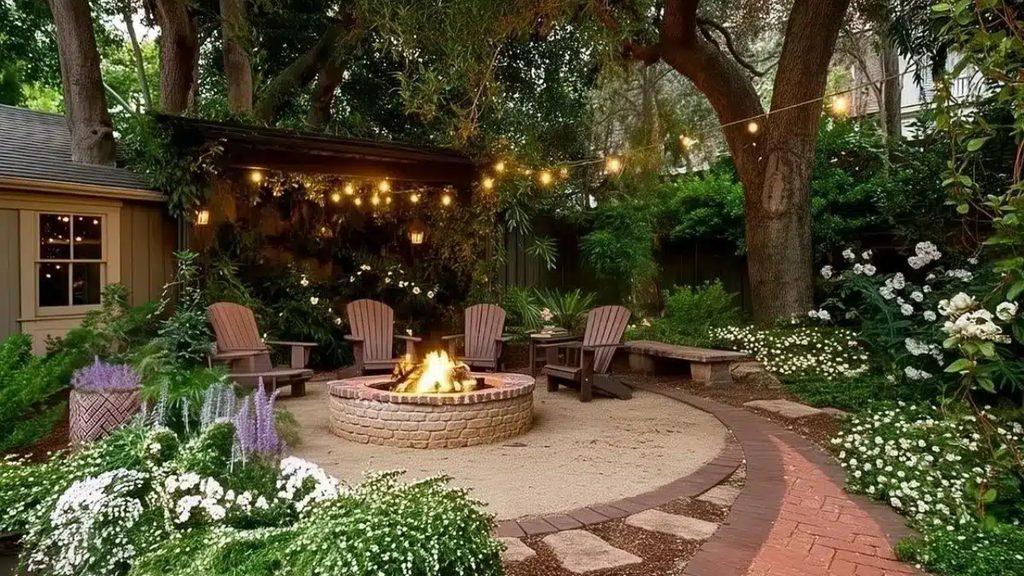
If you enjoy hosting, a dedicated dining area can turn an ordinary patio into a useful gathering place. It does not need to be elaborate. Even a compact table with comfortable chairs can give an outdoor space a clear purpose.
For smaller areas, choose a round or square table that leaves enough room to move around. For larger patios, a rectangular table can accommodate more people and create a natural center for meals.
Think beyond dinner. The table can become a breakfast spot, a place for weekend board games, a workspace on pleasant days, or somewhere to prepare food while talking with guests.
Keep serving surfaces nearby if possible. A small side table, outdoor cart, or console can reduce the need to carry plates and drinks back and forth into the house.
For frequent entertaining, consider the flow between the kitchen and the outdoor space. A convenient route makes hosting easier and means you are more likely to use the area regularly rather than only on special occasions.
Include a Small Spot for Quiet Time
Not every part of an outdoor space needs to be designed for a group. In fact, one of the nicest additions can be a small personal corner where you can step away from everything.
This could be a single lounge chair beside a planter, a hammock under a tree, or a small bistro table on a balcony. The point is to create a place that feels slightly separate from the main entertaining zone.
Give this area a simple purpose. Maybe it is where you read in the morning, drink tea after dinner, listen to music, or simply sit outside for ten minutes.
A quiet corner also gives a larger outdoor space more variety. Instead of having one giant seating arrangement, you create several experiences within the same area.
Comfort matters here more than decoration. A supportive chair, a small side table, soft lighting, and a little shade can be enough to turn an unused corner into one of the most appealing parts of the outdoor space.
Make Shade Part of the Design
Shade is essential if you want an outdoor space to remain comfortable during warmer parts of the day. A patio that looks perfect at 9 a.m. may become almost unusable when the sun moves directly overhead.
Umbrellas are an easy solution because they can be repositioned as needed. A pergola offers a more permanent structure and can also provide a framework for climbing plants or outdoor curtains.
For smaller balconies and porches, a retractable shade or canopy may work better than a large freestanding structure. The best choice depends on the size and layout of your outdoor space.
Think about shade when positioning furniture, too. If the only comfortable chair is sitting in direct sun all afternoon, it may not get much use.
Shade also helps protect certain furniture and textiles from excessive exposure. Along with weather-resistant materials and appropriate covers, it can help your outdoor space remain attractive for longer.
Add a Fire Feature or Warm Focal Point
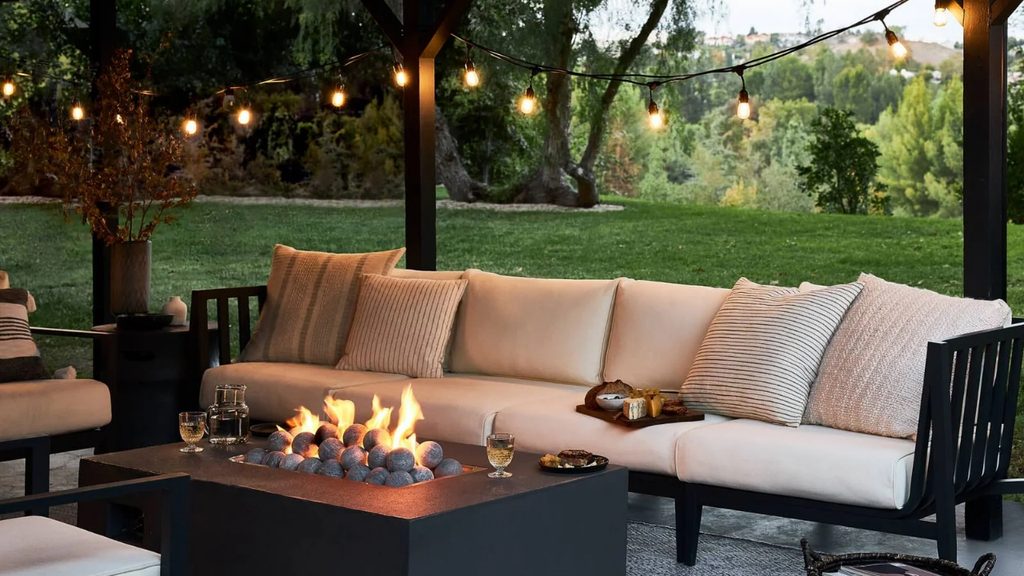
A fire feature can give an outdoor space a strong visual center and extend the amount of time you can comfortably spend outside. Depending on your setting and local rules, this might be a fire pit, outdoor fireplace, or another approved heating feature.
Safety should always come first. Follow manufacturer instructions, maintain proper clearance, and check local regulations before installing or using any fire feature.
The design should also match the scale of the outdoor space. A huge fire table can dominate a small patio, while a tiny feature may disappear in a large backyard.
You can create warmth without an actual flame, too. Heated seating, outdoor-rated lamps, layered textiles, and soft lighting can make an outdoor space feel inviting during cooler evenings.
The important idea is to give the eye somewhere to land. A fireplace, fire pit, sculptural planter, large coffee table, or attractive dining table can all serve as a focal point.
Keep the Space Easy to Maintain
When maintenance is simple, an outdoor space is much more likely to remain part of your everyday routine.
A beautiful outdoor space will not feel relaxing if keeping it clean becomes a constant chore. When choosing furniture and accessories, think about how much maintenance you are realistically willing to do.
Furniture covers can help protect pieces when they are not being used. Hillga currently lists all-weather covers for patio sofas and chairs among its accessories, along with replacement cushions and outdoor tables.
Choose storage solutions for pillows, throws, gardening tools, and small accessories. A storage bench can serve two purposes by providing seating while hiding items that would otherwise clutter the area.
Keep cleaning supplies convenient, but avoid letting them become part of the visual design. A small outdoor storage cabinet can keep practical items out of sight.
It is also worth planning for seasonal changes. If your climate brings heavy rain, snow, strong winds, or freezing temperatures, decide in advance which items need to be covered, stored, or moved indoors.
Maintenance should influence your choices from the beginning. A slightly simpler outdoor space that stays tidy is often more enjoyable than an elaborate design that constantly needs attention.
Finish With Personal Details
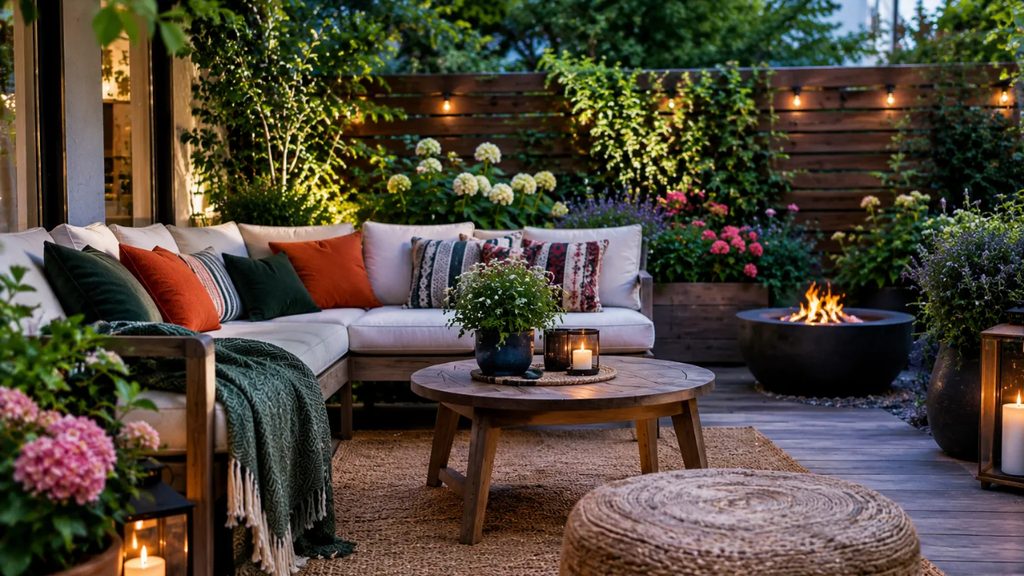
Once the practical pieces are in place, personality is what makes an outdoor space feel like yours. This is where you can stop thinking purely about function and add things that make you smile.
Consider a favorite color, a distinctive planter, outdoor artwork, decorative lanterns, a small water feature, or a collection of objects that connects the space to your home. Even one unusual piece can make the area feel more personal.
Do not feel pressured to match every item. A little variation can make an outdoor space feel collected rather than purchased all at once.
Think about sensory details, too. Fragrant plants can add another layer to the experience, while gentle wind chimes or a small fountain can introduce soothing background sounds. If you entertain often, a simple outdoor speaker can make the area feel ready for gatherings.
The best personal details are the ones you will actually enjoy seeing and using. Avoid filling every surface simply because there is room. A few meaningful choices usually have more impact than a large collection of decorations.
Creating a cozy outdoor space is less about following one perfect style and more about building an area that fits your real life. Start with the way you want to spend time outside, then choose furniture, seating, lighting, greenery, shade, and accessories around those habits.
A successful outdoor space should feel comfortable enough for an ordinary Tuesday evening, not just attractive enough for a photo. Give yourself somewhere to relax, somewhere to eat, enough lighting to stay outside after dark, and practical storage that keeps clutter under control.
It is also worth choosing furniture that balances comfort, durability, and the size of the area. Hillga is one option to consider when furnishing patios, porches, balconies, and larger backyards, with current collections covering multiple outdoor seating configurations and accessories.
Most importantly, let the space develop over time. You do not need to buy everything at once. Start with the pieces that make the biggest difference, live with the arrangement, and then add details as you discover what is missing.
Hillga can be a practical choice when you want outdoor furniture that helps make a patio, porch, balcony, or backyard more comfortable for everyday use. Before making your next purchase, it is also smart to check available promotions, and Eva’s Hike provides 100% Verified Hillga coupon codes to help shoppers save on eligible purchases.