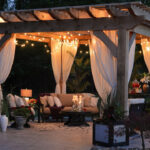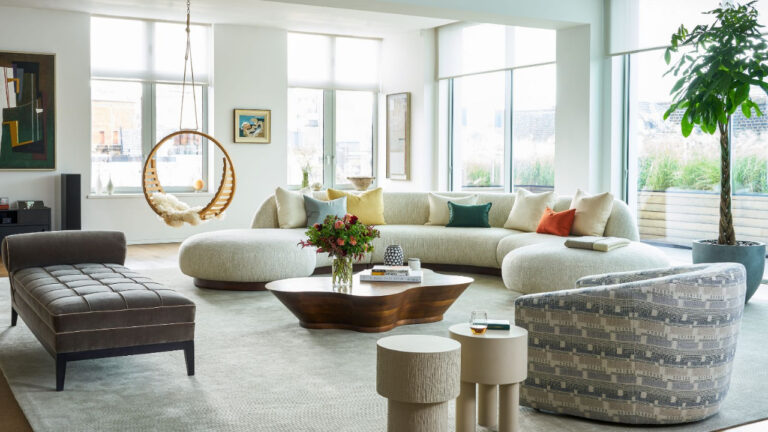
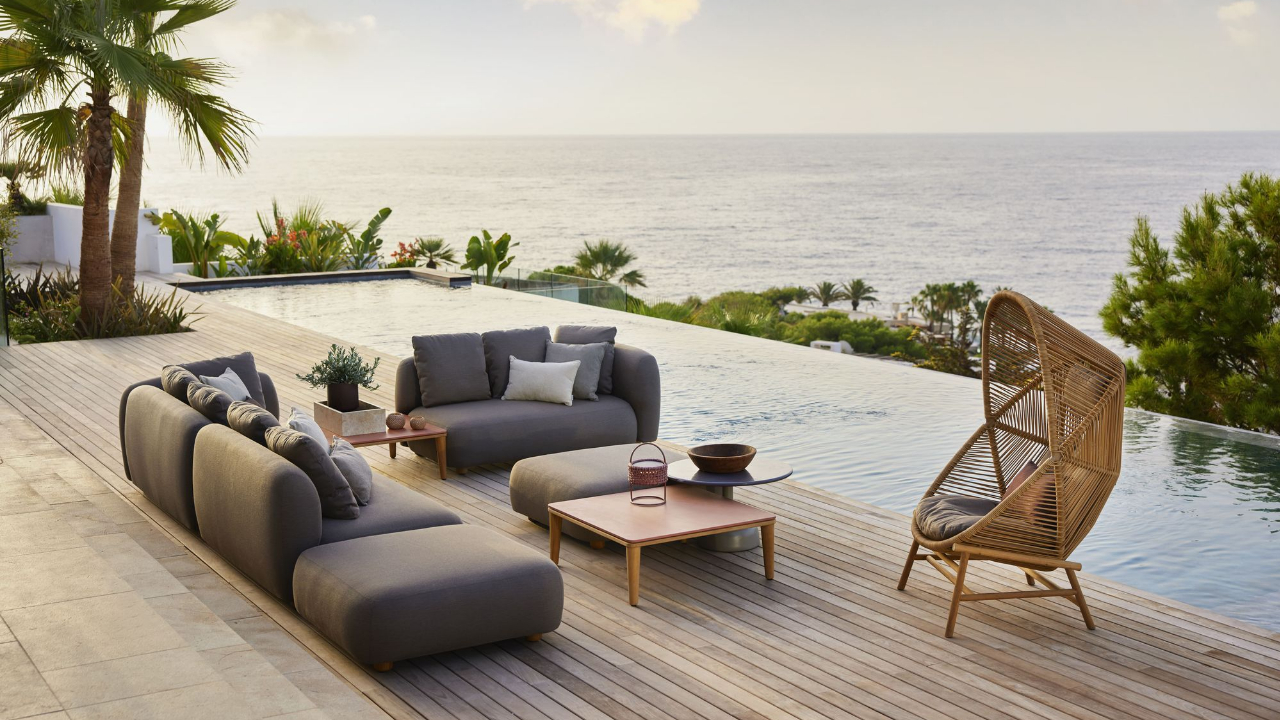
A thoughtfully designed outdoor space can become one of the most enjoyable parts of your home. It can be where you drink your morning coffee, relax after a long day, enjoy dinner with family, or welcome friends for a casual evening. The key is not simply filling the area with attractive furniture. A comfortable outdoor space should feel practical, inviting, and connected to the way you actually live.
The best outdoor space designs balance comfort with style. They give people somewhere comfortable to sit, enough room to move around, useful shade during the day, and pleasant lighting after sunset. Plants, cushions, rugs, and personal accessories can then add warmth and character.
Whether you have a spacious backyard, a compact patio, a covered porch, or a balcony, you can create an outdoor space that feels like a natural extension of your home. Start with your lifestyle, plan the layout carefully, and then build the look around the activities you enjoy most.
Decide How You Want to Use the Space

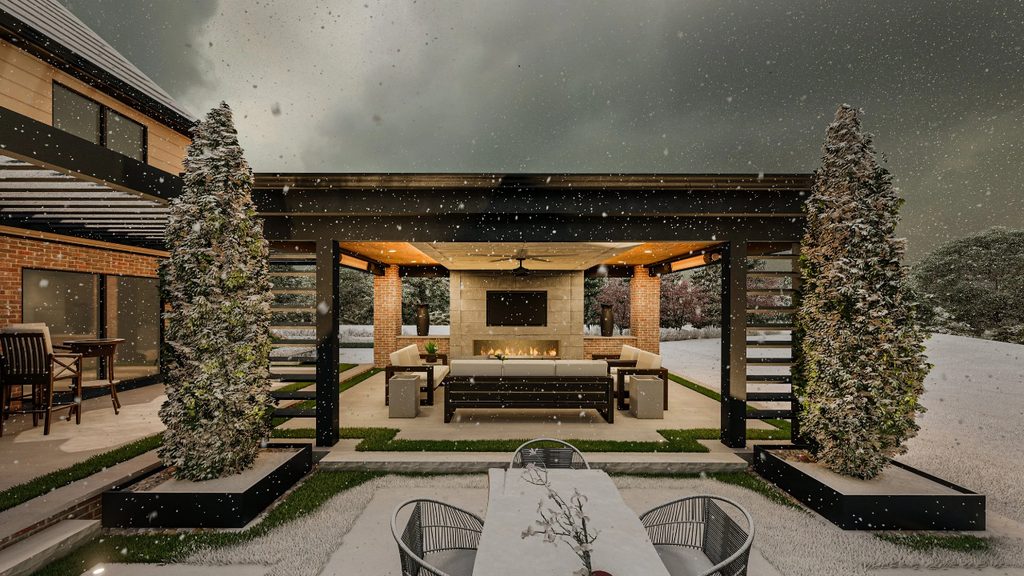
Before buying furniture or decorations, think about what you want your outdoor space to do. This simple step can save you from making purchases that look good but do not work well in everyday life.
Perhaps you want an outdoor space where you can enjoy quiet mornings with coffee and a book. Maybe you regularly host family dinners or weekend gatherings. You might even want an area where children can play while adults sit nearby. Once you know the main purpose, choosing furniture and accessories becomes much easier.
Try writing down three or four activities you would most like to enjoy outside. These might include relaxing, dining, entertaining, gardening, reading, or working. Then think about how much room each activity needs.
A larger outdoor space can often support several zones. One section might contain a sofa and lounge chairs, another could hold a dining table, and a smaller corner could become a peaceful reading spot. Dividing the outdoor space into zones makes it feel organized without making it feel overly formal.
You should also consider when you will use the area. Morning sunlight, afternoon heat, evening shade, wind direction, and the view from your home can all affect how comfortable the outdoor space feels.
Choose Furniture Around Comfort
Furniture is usually the biggest visual element in an outdoor space, so it deserves careful attention. Attractive furniture is important, but comfort should come first.
Start by measuring the area. Note the dimensions, doors, steps, railings, walls, and any other features that cannot be moved. Then think about how much space you need to walk comfortably around each piece.
One of the most common mistakes is choosing furniture that is too large. A huge sectional may look impressive in a showroom, but it can overwhelm a smaller outdoor space and leave very little room for movement.
For a compact patio, a loveseat with two chairs can create a comfortable conversation area without taking over the entire space. A larger outdoor space may benefit from a sectional, several lounge chairs, or a combination of seating styles.
Material also affects the appearance and practicality of your outdoor space. Aluminum can create a clean and contemporary look, while teak adds warmth and a natural character. Wicker and woven materials can make an outdoor space feel relaxed and comfortable.
PatioLiving currently offers a wide range of outdoor furniture, including lounge sets, conversation sets, sectionals, dining furniture, chairs, tables, and other outdoor pieces from numerous brands. Its selection covers different materials, styles, and configurations, making it possible to build an outdoor space around different layouts and preferences.
Build a Layout That Encourages Conversation
A comfortable outdoor space should naturally encourage people to sit down and talk. Furniture placement can make a bigger difference than expensive accessories.
For a small gathering area, position chairs and sofas around a central coffee table. This arrangement creates a clear focal point and makes it easy for everyone to see one another.
In a larger outdoor space, you can create multiple conversation areas instead of putting every chair around one enormous table. A main sofa can form the central seating area, while two lounge chairs in another corner create a quieter space.
Avoid automatically pushing every piece of furniture against the walls. Leaving furniture slightly away from the perimeter can make an outdoor space feel more intentional. It also creates better walking paths.
At the same time, avoid placing seats so far apart that conversation becomes uncomfortable. You want enough space to move around but not so much distance that everyone feels disconnected.
Think about how people will move through the outdoor space when guests arrive. There should be a clear route between the house, dining area, seating area, and any outdoor cooking or serving area.
Add Cushions, Rugs, and Soft Textures
Outdoor surfaces can sometimes feel hard and unfinished. Cushions, rugs, pillows, and other textiles can instantly make an outdoor space feel softer and more welcoming.
Start with the seating. Choose cushions that provide genuine support rather than selecting them only for their appearance. Outdoor fabrics should also be appropriate for the weather conditions in your area.
An outdoor rug can visually define a seating zone. Instead of furniture appearing scattered across a patio, the rug helps bring the pieces together and makes the outdoor space feel more like a room.
Pillows are another easy way to add personality. You can keep the main furniture neutral and introduce color through removable pillow covers. This makes it easier to change the look of your outdoor space without replacing expensive furniture.
You can also add a lightweight outdoor throw for cooler evenings. Just make sure textiles are stored appropriately when the weather becomes harsh.
Do not go overboard, though. The goal is a comfortable outdoor space rather than an area filled with accessories. Every textile should contribute either comfort, style, or both.
Use Lighting to Create an Evening Atmosphere
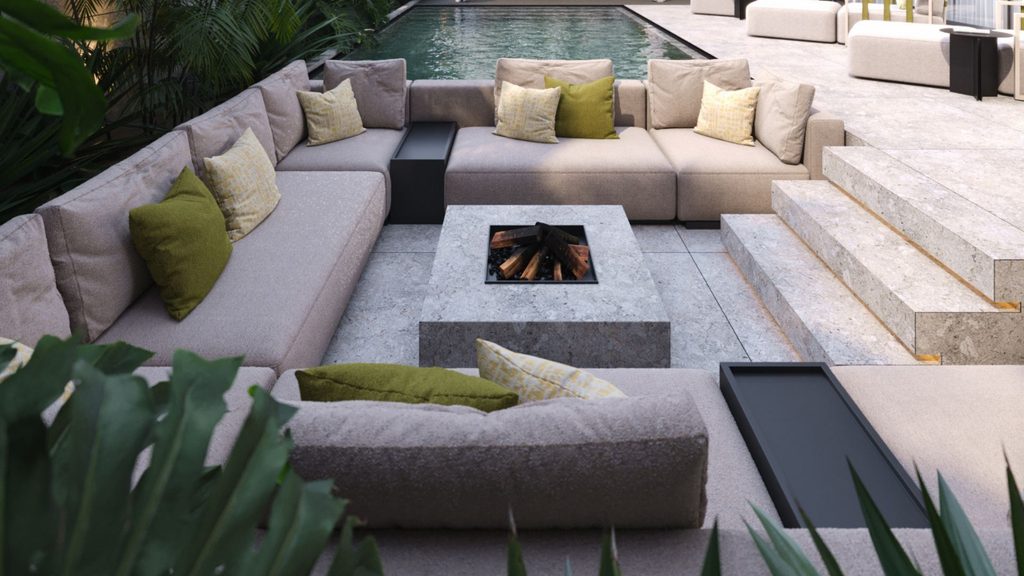
Good lighting can transform an outdoor space after the sun goes down. During the day, furniture and greenery may dominate the design, but at night, lighting becomes one of the main elements that shapes the atmosphere.
Start with practical lighting. Entrances, steps, pathways, and cooking areas should have enough illumination to be used safely. Once those basics are covered, you can add softer decorative lighting.
String lights are a popular choice because they create a warm and relaxed feeling. They can be installed across a pergola, above a seating area, or along a fence.
Lanterns can add another layer of warmth. Place them on a dining table, side table, or low wall. Solar lights can also work well along pathways and garden borders.
Try not to rely on one extremely bright fixture. Multiple softer sources at different heights usually make an outdoor space feel more comfortable.
Lighting can also highlight specific features. A beautiful tree, planter, architectural wall, or water feature can become a focal point when softly illuminated at night.
If you regularly entertain, think about how your lighting will work for both conversation and dining. A well-lit outdoor space should feel useful without becoming overly bright.
Bring Plenty of Greenery Into the Design
Plants can make almost any outdoor space feel more alive. They soften hard surfaces, add natural color, and help connect the seating area with the surrounding garden.
You do not need dozens of plants to make an impact. A few larger planters can provide more visual interest than many tiny pots scattered around the area.
Tall plants can frame a seating arrangement, while medium-sized plants can fill empty corners. Smaller pots can be placed on tables, shelves, or steps.
Choose plants based on your local conditions. Consider sunlight, rainfall, wind, temperature, and how much maintenance you are realistically willing to provide.
For a small outdoor space, vertical gardening can be particularly useful. Hanging planters and wall-mounted containers provide greenery without taking up valuable floor space.
Plants can also help divide different zones. A row of planters can separate a dining area from a lounge area while keeping the overall outdoor space visually connected.
Create Privacy Without Making the Area Feel Closed
Privacy can make an outdoor space much more comfortable, especially when neighboring properties are close. However, completely blocking the surroundings can make a small area feel enclosed.
Instead, use partial screening. Tall plants, trellises, outdoor curtains, pergolas, and decorative screens can create privacy without making the outdoor space feel like a closed room.
Think about where privacy is actually needed. You may only need to screen one side rather than surrounding the entire patio.
Outdoor curtains are especially flexible because they can be opened when you want a wider view and closed when you want more privacy.
Plants provide another natural solution. Tall greenery can create a softer boundary and may become more attractive as it grows.
A privacy screen can also serve another purpose. A pergola can provide shade, support climbing plants, and give the outdoor space a stronger architectural structure.
The best privacy solutions protect your comfort while still allowing airflow and natural light.
Choose a Cohesive Color Palette
Color helps determine whether an outdoor space feels calm, energetic, sophisticated, or playful. You do not need complicated design rules, but choosing a consistent palette can make everything feel more connected.
Start with the colors already present around your home. Look at the exterior walls, decking, paving, fence, plants, and surrounding landscape.
Neutral shades such as beige, cream, gray, brown, and natural wood are easy foundations. You can then introduce one or two accent colors through cushions, rugs, planters, and accessories.
A smaller outdoor space may benefit from a restrained palette because fewer contrasting colors can make the area feel visually larger.
A bigger outdoor space can handle more variation. You can even give different zones slightly different accents while keeping one or two colors consistent throughout the design.
Greenery can also act as a natural source of color. Plants look attractive against neutral furniture and can prevent the outdoor space from feeling too plain.
Always consider how colors look outdoors. Sunlight can make certain shades appear much brighter than they do indoors, so viewing samples in natural light is worthwhile.
Create a Dining Area for Entertaining
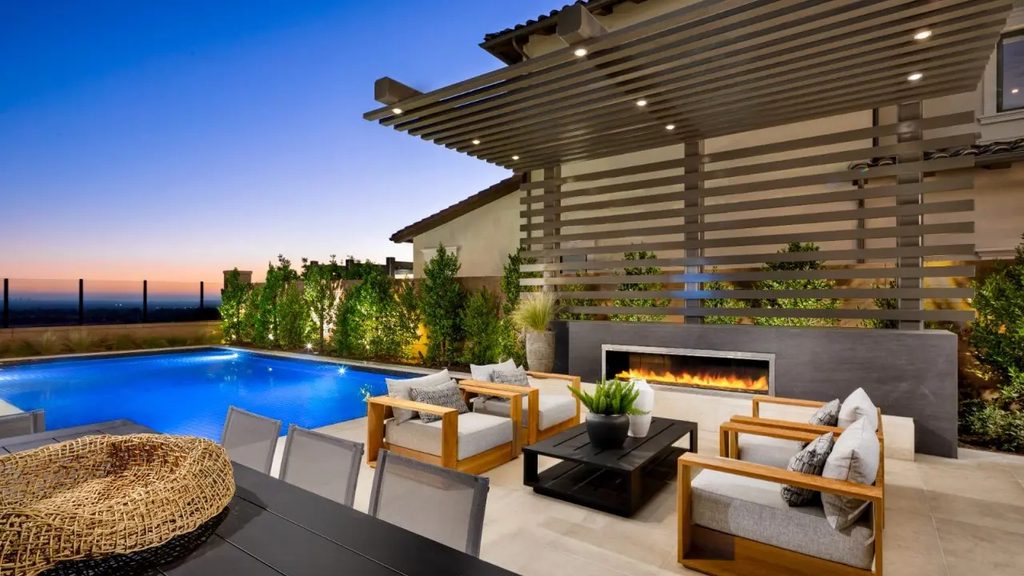
If you enjoy hosting meals, a dedicated dining area can make your outdoor space much more functional.
You do not need a huge table. The right size depends on the number of people you usually host and the amount of room available.
Measure the space around the table as well as the table itself. Guests need enough room to pull chairs out and walk behind people who are seated.
Round tables can work particularly well in smaller outdoor space layouts because they are easier to move around. Rectangular tables are useful when you regularly host larger groups.
Think about the distance between the dining area and your kitchen. A short, clear route makes entertaining easier because you will not have to carry food and drinks across the entire property.
A serving cart or small outdoor console can also be useful. It can provide additional surface space without taking up as much room as another large table.
Your dining table can serve purposes beyond meals. It can become a place for board games, crafts, outdoor work, or family activities.
Add Shade for Hot Days
An outdoor space can look beautiful and still be uncomfortable if there is nowhere to escape intense sunlight.
Shade should therefore be part of your design from the beginning. A large umbrella is one of the simplest solutions and works well over dining tables and seating areas.
Pergolas offer a more permanent option. They can provide structure while also supporting climbing plants, curtains, or other shade elements.
Retractable awnings can be useful for patios connected directly to the home. They allow you to adjust the amount of shade depending on the weather.
Pay attention to how the sun moves across your outdoor space. The ideal location for shade in the morning may not be the same location that needs protection in the afternoon.
Shade can also protect furniture, rugs, and cushions from excessive exposure. A thoughtful outdoor space therefore considers both human comfort and furniture longevity.
Add a Fire Feature or Cozy Focal Point
A fire feature can make an outdoor space feel especially inviting when temperatures drop in the evening. Depending on your property and local regulations, options may include a fire pit, fire table, or outdoor fireplace.
Always follow the manufacturer’s safety instructions and local rules. Keep appropriate clearance around the feature and make sure seating and textiles are positioned safely.
The scale matters as well. A large fire table can overwhelm a small outdoor space, while a tiny feature may get lost in a large backyard.
You do not necessarily need an actual fire to create a focal point. A large coffee table, sculptural planter, water feature, or statement light can give the outdoor space a visual center.
Think about where people will naturally sit. If the seating faces the focal point, the arrangement will usually feel more comfortable and intentional.
For colder climates, a well-planned focal point can also help extend the amount of time you spend outside throughout the year.
Plan Storage From the Beginning
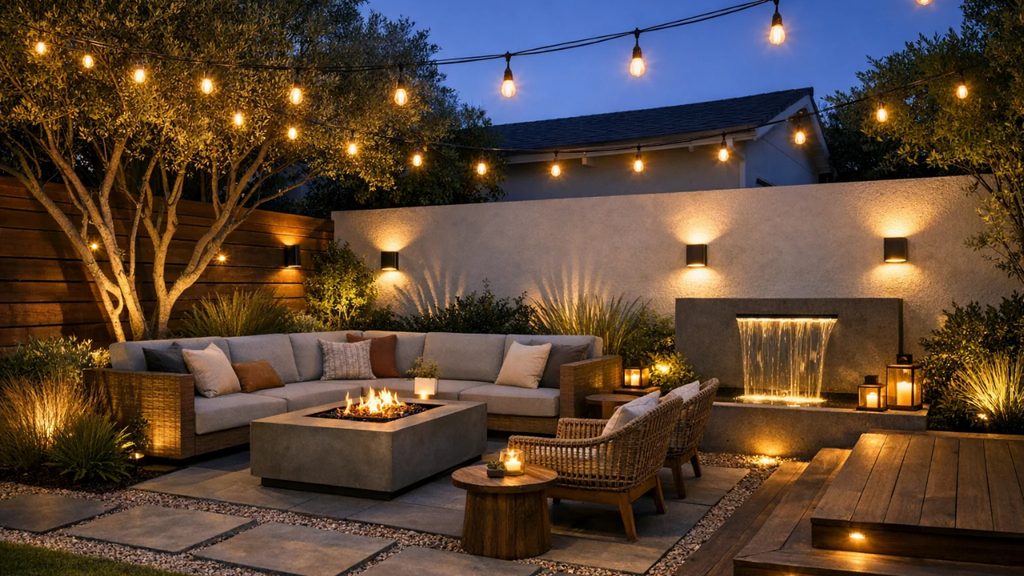
Storage may not be the most exciting part of designing an outdoor space, but it is one of the most important.
Without storage, cushions, gardening tools, toys, blankets, and accessories can quickly make the area look cluttered.
A storage bench can be especially useful because it provides both seating and hidden storage. Weather-resistant storage boxes can hold cushions and other items when they are not being used.
Think about your specific habits. Families with children may need room for outdoor games. Gardeners may need storage for tools and supplies. People who entertain frequently may want a convenient place for serving equipment.
Keeping these items organized means you can enjoy the outdoor space without having to clean everything before you sit down.
Storage also helps protect accessories from bad weather. Instead of leaving everything exposed, you can quickly move smaller pieces into a secure location.
A tidy outdoor space usually feels calmer, and that makes it easier to use regularly.
Make Maintenance Easy
A beautiful outdoor space should not become another source of stress. When choosing furniture and accessories, think honestly about how much maintenance you are willing to handle.
Consider the weather conditions where you live. Rain, intense sunlight, humidity, snow, dust, and temperature changes can all affect outdoor furniture.
Choose materials that suit your environment and follow the manufacturer’s cleaning and care instructions.
PatioLiving currently carries outdoor furniture made from materials including aluminum, wicker, steel, wrought iron, teak, wood, and recycled plastic. Its lounge collections also include a wide variety of configurations, making material and construction important considerations when comparing options for an outdoor space.
Furniture covers can provide additional protection when pieces are not being used. Cushions may also need to be stored during particularly bad weather.
Maintenance does not have to take hours every week. Regularly wiping surfaces, removing leaves, checking hardware, and cleaning cushions according to their care instructions can help keep the outdoor space looking fresh.
The easier the maintenance routine, the more likely you are to continue enjoying the area.
Add Personal Details That Make It Yours
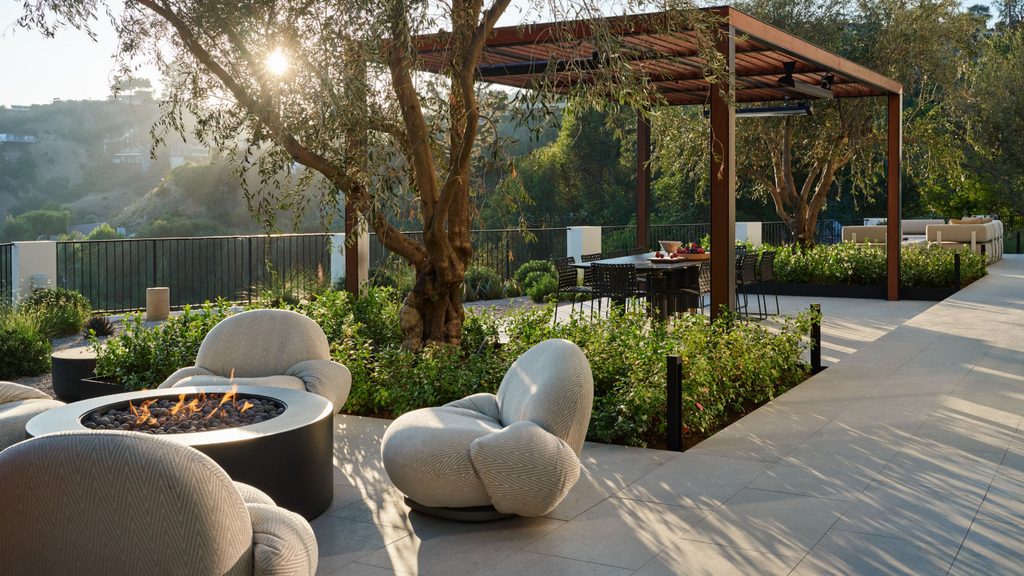
Once the major furniture and practical elements are in place, personality can turn an outdoor space into somewhere that genuinely feels like home.
Choose accessories that reflect your taste. This could be a favorite color, an unusual planter, outdoor artwork, decorative lanterns, patterned cushions, or a small collection of objects with personal meaning.
You can also think about sensory details. Fragrant plants can make evenings more enjoyable, while a small water feature can introduce gentle background sound.
If you enjoy music outside, an outdoor-rated speaker can add another dimension to your outdoor space. If you prefer quiet mornings, a comfortable lounge chair and small side table may be more valuable.
Do not feel pressured to decorate every empty surface. Leaving some areas open allows the outdoor space to breathe and makes the important pieces stand out.
It is also fine for the design to evolve. After living with the area for a few weeks, you may discover that a chair needs to move, another table would be useful, or a particular corner needs more shade.
A comfortable and stylish outdoor space does not have to be completed in one weekend. Start with the essentials and allow the design to develop naturally.
Designing an outdoor space that feels both comfortable and stylish ultimately comes down to understanding how you want to live outside. Start with the activities that matter most, choose furniture around comfort, and create a layout that makes movement and conversation easy. From there, lighting, plants, textiles, privacy, shade, and personal details can give the area its own character.
There is no single style that every home needs to follow. A successful outdoor space can be modern, traditional, rustic, minimalist, colorful, or a combination of several influences. What matters is that the result feels welcoming and works for the people who use it.
PatioLiving is worth considering when you want to explore a broad selection of outdoor furniture, lounge sets, dining pieces, shade products, and accessories for different patios, porches, balconies, and yards. Before making your next purchase, it is also smart to check available promotions, and Eva’s Hike provides 100% Verified Patio Living coupon codes to help shoppers save on eligible purchases.