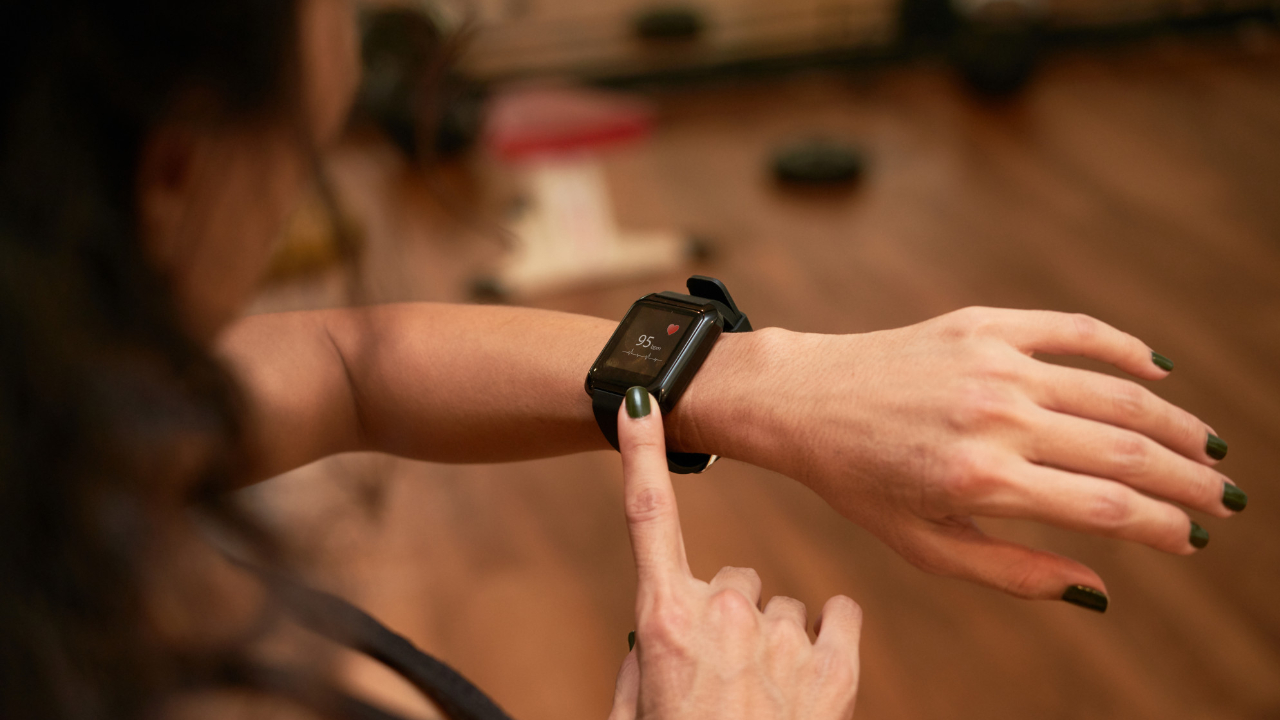
Wearable Technology has evolved from a niche innovation into one of the fastest-growing sectors in consumer electronics. What started with simple fitness trackers has expanded into a diverse ecosystem of smartwatches, smart rings, health-monitoring devices, smart glasses, and advanced wearable sensors that are transforming how people interact with technology.
In 2026, Wearable Technology is becoming more powerful, accurate, and integrated into everyday life. These devices are no longer just accessories—they serve as personal health assistants, productivity tools, communication hubs, and fitness coaches. Consumers increasingly rely on wearable devices to monitor health metrics, track activity, manage schedules, and stay connected without constantly using smartphones.
As technology continues advancing, wearable devices are expected to play an even larger role in healthcare, fitness, workplace productivity, and personal wellness. This growing influence is changing the way people manage their daily lives and interact with digital ecosystems.
This guide explores the rise of Wearable Technology, the latest innovations in smartwatches and smart rings, emerging wearable trends, and what the future may hold for this rapidly expanding industry.
Why Wearable Technology Is Growing Rapidly

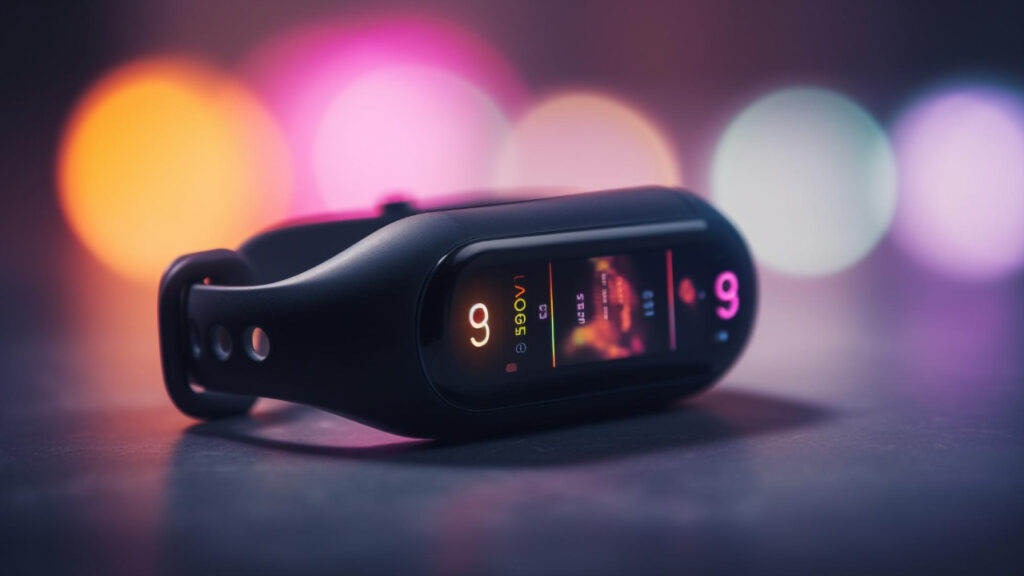
Wearable Technology is experiencing significant growth because consumers increasingly value convenience, health insights, and real-time access to information.
A mix of factors drives the rise in adoption. More people want to track their own health. They check heart rates and sleep patterns to spot problems early. This ties into a general push for better fitness. People now track steps and calories to stay active.
Hardware is also getting better. New sensors can measure blood oxygen and stress levels with high accuracy. Batteries last longer too. Users no longer have to charge their devices every night.
These tools work better with smartphones. Apps sync data instantly and show clear trends. AI helps too. It looks at the data to give personal health tips. This makes the data useful instead of just a list of numbers.
Modern wearable devices provide users with valuable information throughout the day without requiring constant interaction with a phone or computer.
This convenience has made wearable devices attractive to people of all ages.
Smartwatches in Wearable Technology
Smartwatches remain the most popular category within Wearable Technology.
These devices have evolved far beyond simple notification displays.
Today’s smartwatches offer:
- Fitness tracking
- Heart rate monitoring
- Sleep analysis
- GPS navigation
- Contactless payments
- Voice assistants
- Communication features
Many consumers now use smartwatches as extensions of their smartphones, allowing them to stay connected while reducing screen time.
The combination of convenience and health tracking continues to drive smartwatch adoption worldwide.
Health Monitoring in Wearable Technology
One of the most important developments in Wearable Technology is advanced health monitoring.
Modern wearable devices can track:
- Heart rate
- Blood oxygen levels
- Sleep patterns
- Physical activity
- Stress indicators
- Recovery metrics
These insights help users better understand their health and make informed lifestyle decisions.
As sensors become more accurate, wearable devices are increasingly contributing to preventive healthcare and wellness management.
Smart Rings in Wearable Technology
Smart rings have emerged as one of the most exciting innovations in Wearable Technology.
Unlike larger devices, smart rings provide powerful tracking capabilities in a compact form factor.
Features often include:
- Sleep tracking
- Activity monitoring
- Heart rate measurement
- Recovery analysis
Many users prefer smart rings because they are lightweight, discreet, and comfortable to wear throughout the day and night.
As technology improves, smart rings are becoming strong alternatives to traditional fitness trackers and smartwatches.
Fitness Tracking in Wearable Technology

Fitness remains one of the primary drivers behind Wearable Technology adoption.
A mix of factors drives the rise in adoption. More people want to track their own health. They check heart rates and sleep patterns to spot problems early. This ties into a general push for better fitness. People now track steps and calories to stay active.
Hardware is also getting better. New sensors can measure blood oxygen and stress levels with high accuracy. Batteries last longer too. Users no longer have to charge their devices every night.
These tools work better with smartphones. Apps sync data instantly and show clear trends. AI helps too. It looks at the data to give personal health tips. This makes the data useful instead of just a list of numbers.
These features encourage healthy habits and provide measurable progress data.
Many individuals find that wearable fitness tracking increases motivation and accountability.
Sleep Tracking in Wearable Technology
Sleep has become a major focus within Wearable Technology.
Modern wearable devices now track sleep with high precision. These gadgets give you a clear look at how you rest each night. You can check your total sleep duration to see if you actually hit eight hours. Many people think they slept long enough but wake up tired. Tracking helps you see where the time went.
These devices also track sleep stages. They show how much time you spend in light, deep, and REM sleep. REM sleep helps your brain process memory and emotions. Deep sleep is when your body repairs tissue and builds muscle. If you lack deep sleep, you might feel sore or sluggish the next day.
Recovery scores use your heart rate and breathing to see if your body is rested. Your heart rate usually drops during sleep. If it stays high, your body is still under stress. This data helps you decide if you should train hard at the gym or take a rest day. Pushing too hard without recovery leads to injury.
Sleep consistency tracks your bedtimes and wake times. Going to bed at 11 PM every night keeps your internal clock steady. This makes it easier to fall asleep and wake up without an alarm. These metrics together help you find patterns. You might notice that a late meal or a screen before bed ruins your REM cycle. Once you see the data, you can change your habits to get more energy.
Better sleep tracking helps users identify habits that may impact recovery and overall well-being.
As awareness of sleep health grows, wearable devices continue improving their monitoring capabilities.
Artificial Intelligence in Wearable Technology
Artificial intelligence is playing a growing role in Wearable Technology.
AI-powered systems help:
- Analyze health data
- Identify trends
- Deliver personalized recommendations
- Improve activity tracking accuracy
Instead of simply collecting data, wearable devices are increasingly helping users understand and act on the information they receive.
This creates a more valuable and personalized user experience.
Smart Glasses in Wearable Technology
Smart glasses represent another emerging category within Wearable Technology.
These devices aim to combine digital information with real-world experiences.
Potential applications include:
- Navigation assistance
- Productivity tools
- Communication features
- Augmented reality experiences
Although still developing, smart glasses may become one of the next major advancements in wearable innovation.
Wearable Technology in Healthcare
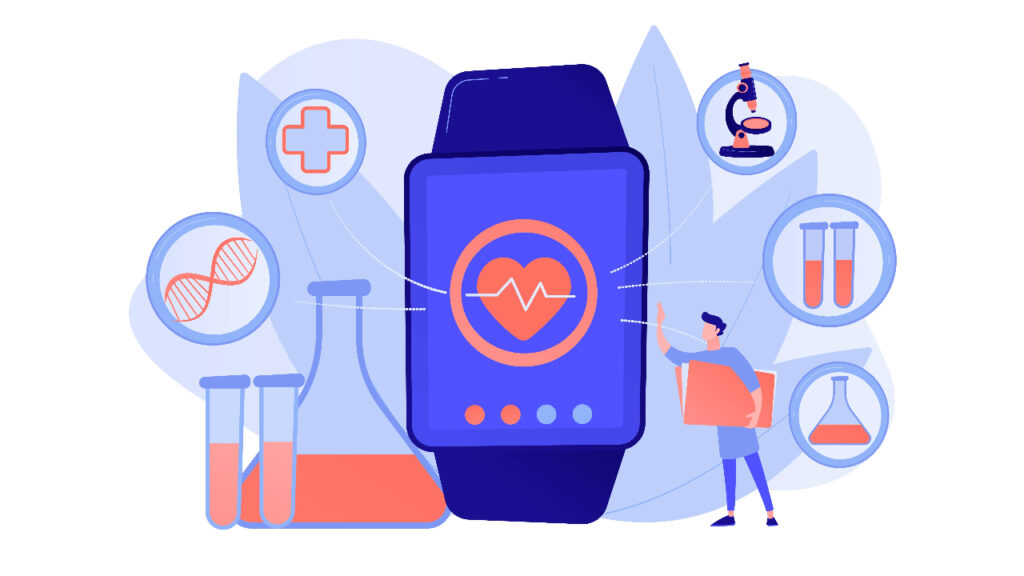
Healthcare is one of the industries most impacted by Wearable Technology.
Medical professionals increasingly recognize the value of continuous health monitoring.
Wearable devices give doctors and patients a clear look at health in real time. Smartwatches and rings track heart rates and sleep patterns every day. This constant flow of data helps medical teams see how a patient does outside the clinic.
These tools find problems before they become crises. A watch might find an irregular heartbeat or a sudden drop in blood oxygen. This lets a person call a doctor early. Early detection stops small issues from turning into heart attacks or strokes.
Wearables also push for preventive care. They track blood glucose for people with diabetes. This stops dangerous spikes in sugar. It keeps people out of the hospital.
Daily goals encourage better habits. Steps counters and move alerts get people walking more. When a person sees their activity on a screen, they tend to move more. This lowers the risk of obesity and high blood pressure. Health becomes a daily habit instead of a yearly checkup.
As healthcare systems become more data-driven, wearable devices may play a larger role in patient management and early intervention.
Workplace Applications of Wearable Technology
Wearable Technology is also entering professional environments.
Businesses use wearable devices to:
- Improve communication
- Monitor workplace safety
- Enhance productivity
- Support employee wellness programs
Wearables provide real-time information that can improve efficiency across various industries.
As remote and hybrid work continues evolving, wearable productivity tools may become more common.
Security Features in Wearable Technology
Security remains an important consideration for wearable devices.
Modern Wearable Technology often includes:
- Biometric authentication
- Encrypted data storage
- Secure payment systems
As wearable devices handle increasingly sensitive information, manufacturers continue investing in stronger security measures.
Consumers should also follow good cybersecurity practices when using connected devices.
Benefits of Wearable Technology
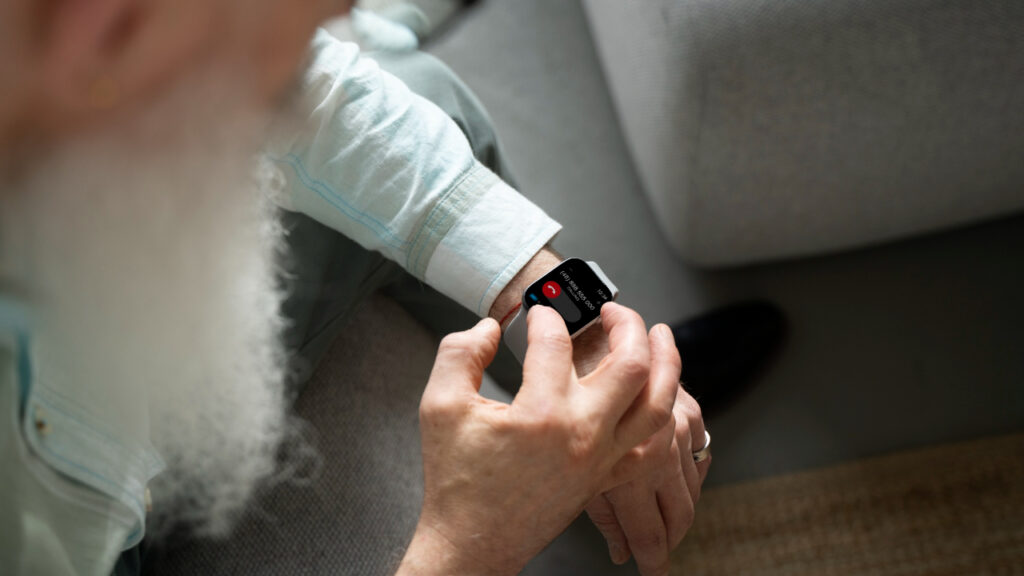
The popularity of Wearable Technology is driven by numerous benefits.
Users gain several clear benefits from these tools. First, convenience makes daily tasks easier. You can manage schedules or buy groceries with a few taps. This saves time and cuts out old chores.
Health awareness grows when people see their data. You can track sleep patterns or heart rates to spot problems early. This leads to better fitness tracking. Users can set goals for steps or gym visits and see their progress in a chart.
Work gets done faster, which boosts productivity. Automating small tasks lets you focus on big projects. You also get real-time insights. This means you see data as it happens instead of waiting for a weekly report.
Connectivity is better too. You stay in touch with team members or family through instant messages. These tools keep everyone on the same page without long meetings.
These benefits make wearable devices valuable tools for modern lifestyles.
As technology advances, these advantages are expected to expand further.
Challenges Facing Wearable Technology
Despite rapid growth, Wearable Technology faces several challenges.
Common concerns include:
- Data privacy
- Battery limitations
- Device costs
- Accuracy variations
- User adoption barriers
Manufacturers continue working to address these issues while improving performance and user experience.
Balancing innovation with reliability remains a major focus.
Future Innovations in Wearable Technology
The future of Wearable Technology looks extremely promising.
Expected developments include:
- Advanced health sensors
- Improved artificial intelligence
- Longer battery life
- Better device integration
- More personalized health recommendations
Future wearables may provide even deeper insights into physical and mental well-being while becoming smaller and more comfortable.
The industry continues moving toward seamless integration into everyday life.
How Wearable Technology Is Changing Consumer Behavior
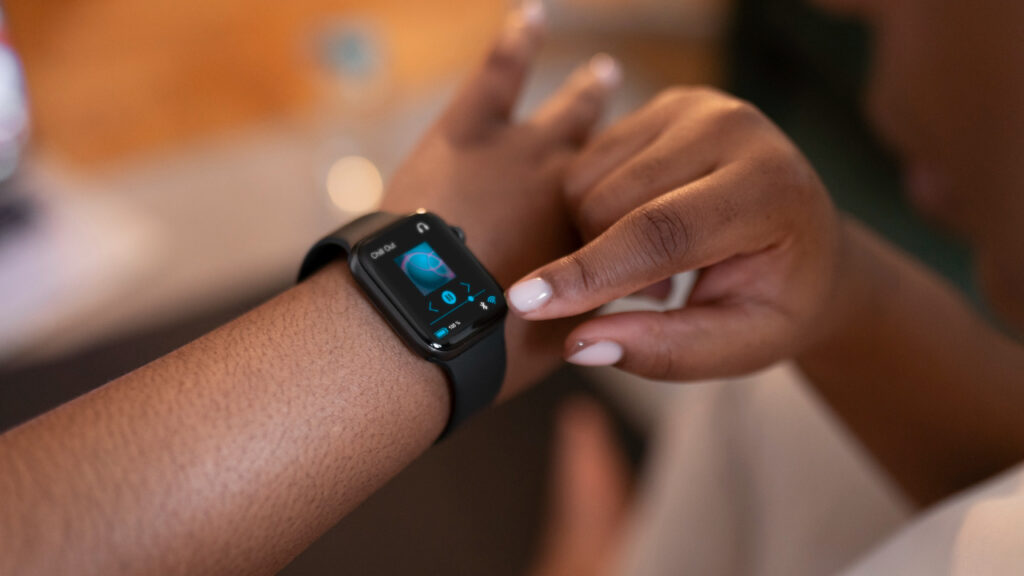
Wearable Technology is influencing how people approach health, fitness, and productivity.
Users are becoming more data-driven and proactive in managing their daily habits.
Wearable devices help people live healthier lives. Smartwatches and fitness bands push users to move more. They count steps or track active minutes to fight a sedentary lifestyle. These tools often send alerts when a person sits for too long.
Sleep tracking is another big benefit. These devices monitor heart rate and movement during the night. This data shows how long a person actually sleeps and when they wake up. Users can see if they need more rest to feel alert.
Wearables also build health awareness. They track heart rate and blood oxygen levels in real time. This makes people notice how their body reacts to stress or exercise. It turns hidden body data into clear numbers.
Goal tracking keeps users motivated. A person can set a target for daily steps or calories burned. Seeing a progress bar fill up encourages them to keep going. Small wins lead to long term habits.
This shift toward real-time feedback is helping individuals make more informed decisions about their lifestyle choices.
Final Thoughts on Wearable Technology
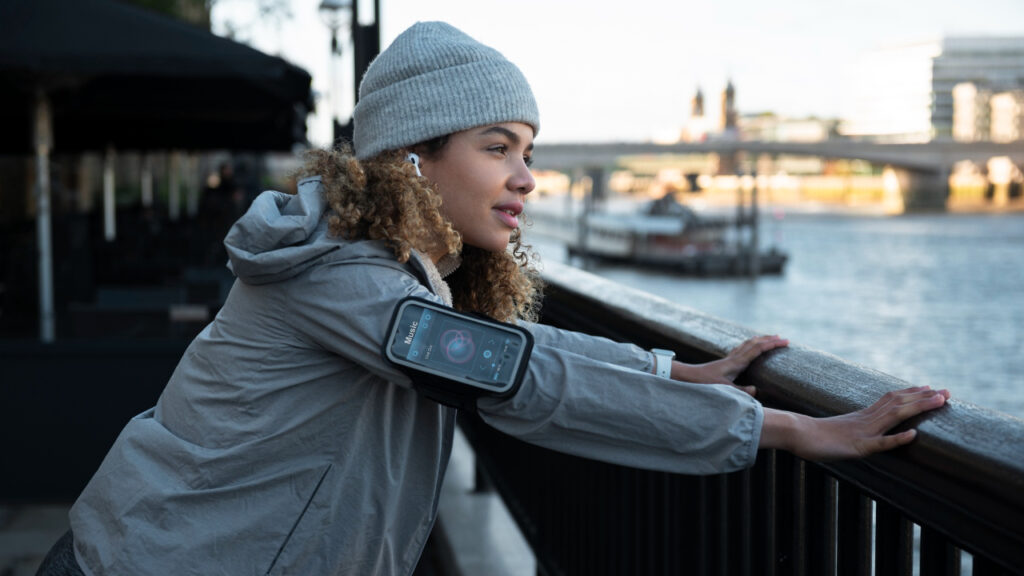
Wearable tech is now a major part of daily life. It mixes ease of use with constant links to the web and deep health data. Ten years ago, this felt like science fiction. Now, people wear smart rings to track sleep stages or watches that check heart rhythms in real time. These tools do more than count steps. They find patterns in how we breathe and move. This gives users a clear look at their own vitals without a doctor. Small sensors track blood oxygen and stress levels. This shift makes health care a personal task rather than a rare visit to a clinic.
From smartwatches and smart rings to advanced health-monitoring devices and emerging smart glasses, wearable technology is reshaping how people interact with digital tools and manage their well-being.
As innovation continues accelerating, wearable devices will likely become even more intelligent, personalized, and integrated into daily life. For consumers seeking better health tracking, improved productivity, and seamless connectivity, Wearable Technology represents one of the most exciting areas of modern innovation.