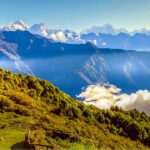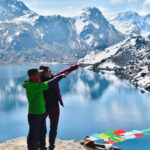
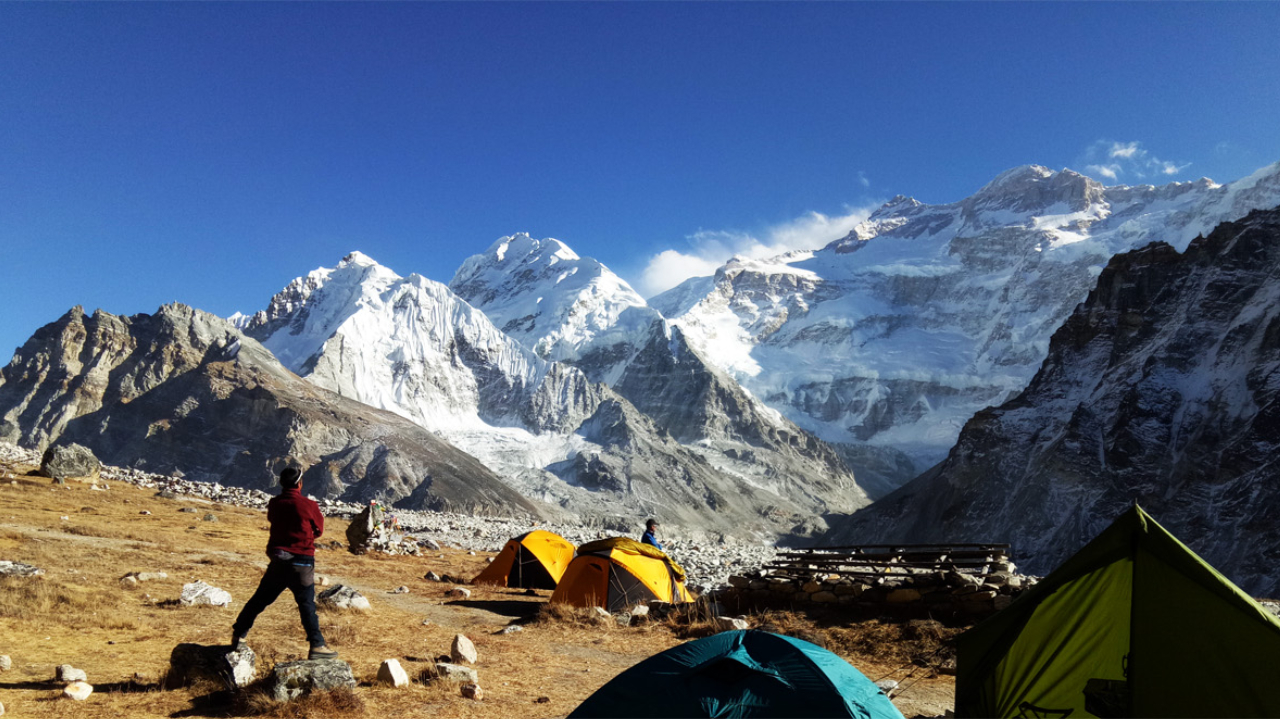
The Kanchenjunga Base Camp Trek is one of the most remote and adventurous trekking experiences in Nepal. Located in the far eastern region of the country, this trek takes you to the base of Mount Kanchenjunga, the third-highest mountain in the world. Unlike popular trekking routes, this journey offers untouched wilderness, dramatic landscapes, and a deep sense of isolation that appeals to experienced trekkers.
For those seeking a true off-the-beaten-path adventure, the Kanchenjunga Base Camp Trek delivers a rare opportunity to explore one of the least visited regions in the Himalayas. From dense forests and alpine meadows to glaciers and towering peaks, the trek offers unmatched natural beauty and cultural richness.
What Is the Kanchenjunga Base Camp Trek?
The Kanchenjunga Base Camp Trek is a long and challenging trekking route that takes you to both the north and south base camps of Mount Kanchenjunga. The trek typically lasts between 20 and 26 days, making it one of the longest treks in Nepal.
The journey begins with a flight to Bhadrapur followed by a drive to Taplejung, the starting point of the trek. From there, the trail passes through remote villages, forests, and river valleys before reaching the high-altitude base camps.
This trek is located in a restricted area, requiring special permits and a registered guide. The remoteness and limited infrastructure make it ideal for experienced trekkers looking for a serious adventure.
Why Choose the Kanchenjunga Base Camp Trek?
The Kanchenjunga Base Camp Trek stands out for its raw and untouched beauty.
One of the main reasons to choose this trek is the lack of crowds. Unlike Everest or Annapurna, this region sees very few trekkers, allowing for a peaceful and immersive experience.
Another highlight is the diverse landscape. You will pass through tropical forests, rhododendron-covered hills, alpine meadows, and glacial terrain.
The trek also offers stunning views of Mount Kanchenjunga and other surrounding peaks, creating a dramatic Himalayan backdrop.
Additionally, the cultural experience is unique. The region is home to Limbu, Rai, and Tibetan communities, each with their own traditions and way of life.
Best Time to Do the Kanchenjunga Base Camp Trek

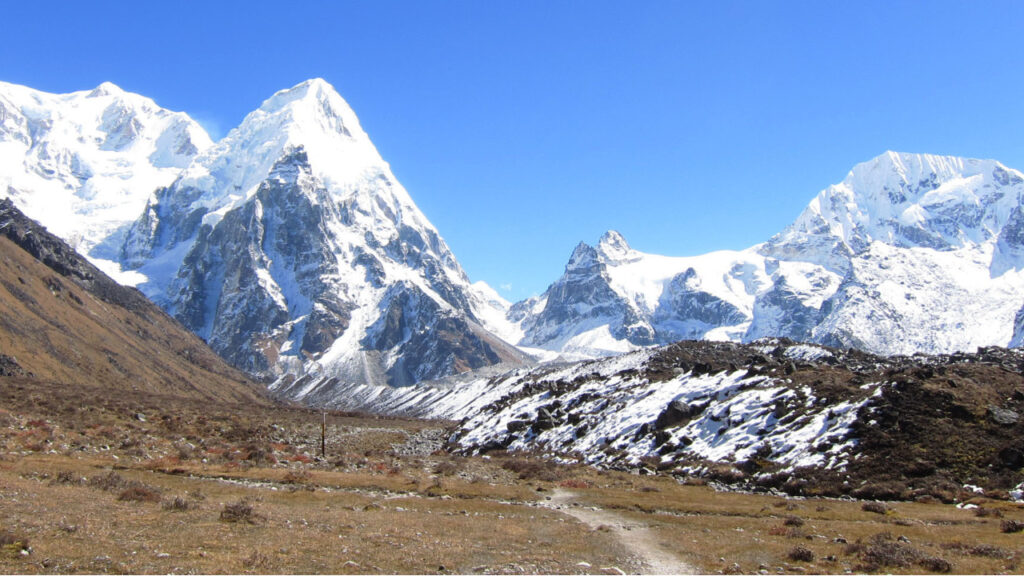
The best time to do the Kanchenjunga Base Camp Trek is during spring (March to May) and autumn (September to November).
Spring brings blooming flowers and pleasant weather, while autumn offers clear skies and excellent visibility.
Winter is extremely cold, especially at higher elevations, and snow can block trails. Monsoon season brings heavy rain, landslides, and difficult trekking conditions.
Kanchenjunga Base Camp Trek Route Overview
The Kanchenjunga Base Camp Trek follows a remote and challenging route.
A typical route includes:
- Taplejung to Mitlung through lower hills
- Mitlung to Chirwa and Sekathum along river valleys
- Sekathum to Amjilosa and Gyabla with increasing altitude
- Gyabla to Ghunsa, a major village in the region
- Ghunsa to Kambachen and Lhonak
- Trek to North Base Camp (Pangpema)
- Return to Ghunsa and head toward South Base Camp
- Trek to Oktang (South Base Camp viewpoint)
- Return via Yamphudin and back to Taplejung
This route covers both base camps, offering a complete trekking experience.
Kanchenjunga Base Camp Trek Duration
The Kanchenjunga Base Camp Trek typically takes 20 to 26 days.
A standard itinerary includes:
- 8 to 10 days of ascent
- 2 acclimatization days
- Visits to both base camps
- 8 to 10 days of descent
Due to the long duration, proper planning is essential.
Physical Preparation for the Kanchenjunga Base Camp Trek
This trek is considered highly challenging and requires excellent physical fitness.
Preparation should include:
- Intense cardio training
- Strength training for legs and core
- Long-distance hiking practice
- Building endurance for extended trekking days
Only well-prepared trekkers should attempt this route.
Altitude and Acclimatization on the Kanchenjunga Base Camp Trek
Altitude is a major challenge on the Kanchenjunga Base Camp Trek.
The trek reaches elevations above 5,000 meters, where the risk of altitude sickness is high.
To stay safe:
- Ascend gradually
- Take acclimatization days
- Stay hydrated
- Monitor symptoms carefully
- Descend if necessary
Proper acclimatization is critical for success.
Accommodation on the Kanchenjunga Base Camp Trek
Accommodation is more basic compared to other trekking regions.
Trekkers stay in simple teahouses or lodges where available. In remote areas, camping may be required.
Facilities are limited, so trekkers should be prepared for basic conditions.
Food and Drink on the Kanchenjunga Base Camp Trek
Food options are limited but sufficient.
Common meals include:
- Dal Bhat
- Noodles and soups
- Rice and vegetables
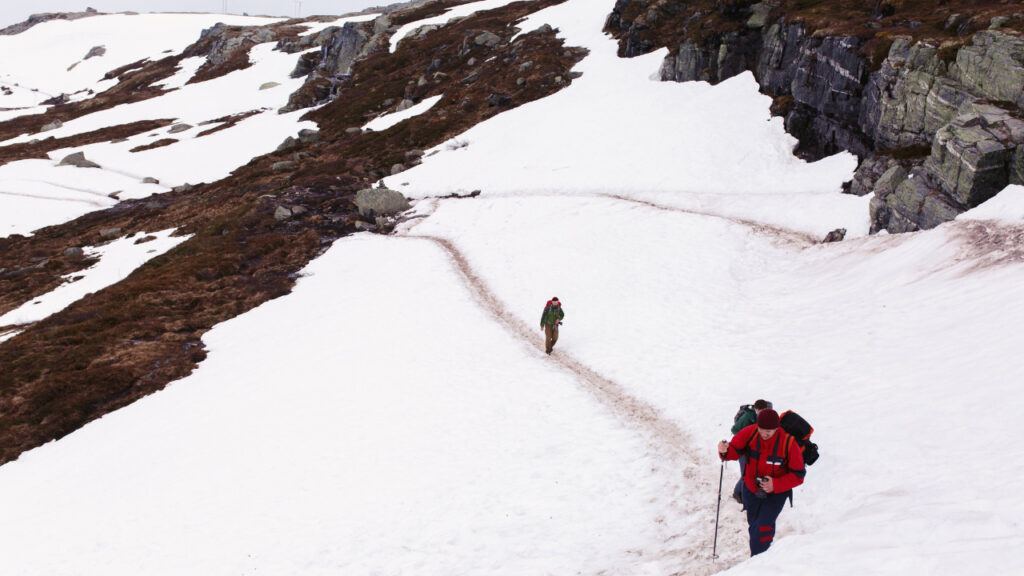
Hot drinks are available in villages, but options decrease at higher elevations.
Safe drinking water is essential, so purification methods are necessary.
Essential Gear for the Kanchenjunga Base Camp Trek
Proper gear is crucial due to the remote and high-altitude conditions.
Important items include:
- Warm layered clothing
- Down jacket
- Waterproof gear
- Sturdy trekking boots
- Sleeping bag for cold temperatures
- Trekking poles
- First aid kit
Being well-equipped is essential for safety.
Cultural Experience on the Kanchenjunga Base Camp Trek
The trek delivers a deep cultural journey. You walk through villages where Limbu, Rai, and Tibetan people make their homes. These groups trace roots back centuries in the steep Himalayan valleys.
Limbu folks keep old Kirat customs alive. Rai families honor spirits through simple rites. Tibetans follow Buddhist ways passed down from afar. You catch glimpses of their festivals. Drums beat during harvest times. Dances fill the air with joy and song.
Daily life unfolds right before you. Women weave baskets by hand. Men tend yaks on rocky slopes. Kids play near stone walls. All this paints a clear picture of Himalayan ways. People here thrive despite cold winds and thin air.
The trail buzzes with sacred spots. Monasteries rise on high ridges, walls painted in bright reds and golds. Monks chant inside, bells ring soft. Prayer flags snap in breezes. Strings of them stretch across paths, each scrap inked with hopes for peace.
Traditional houses stand sturdy. Thick walls block the chill. Roofs of thatch or slate slant sharp. Carved doors show old patterns. Stone paths lead to them.
You feel the culture soak in step by step. It links past to present in these high lands.
Wildlife and Nature on the Kanchenjunga Base Camp Trek
This region falls within the Kanchenjunga Conservation Area in Nepal. It guards the slopes of Kanchenjunga, the world’s third-highest peak. The area draws eyes for its rich mix of plants and animals. Few places match its variety of life high in the Himalayas.
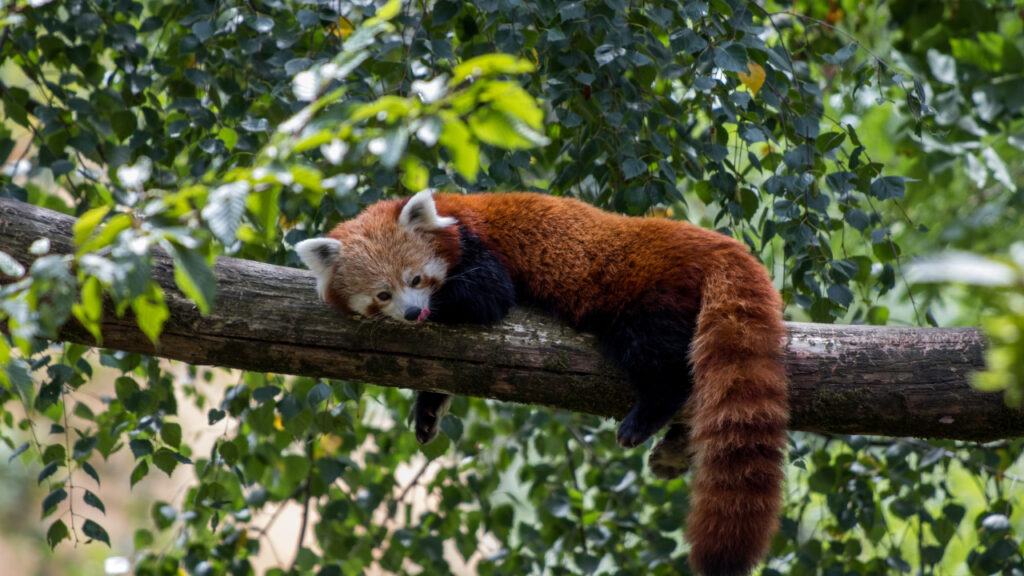
Spot red pandas here. These fluffy creatures climb trees with ease. They munch on bamboo leaves and peek from branches. Snow leopards prowl the rocky heights. They stay rare and shy, blending into stones. Sightings thrill hikers who brave the trails. Himalayan black bears roam the forests below. They forage for roots, berries, and grubs. Their dark fur gleams in sunlight patches.
Birds fill the skies in droves. Watch blood pheasants strut on the ground. Himalayan monals flash iridescent feathers. Eagles soar over ridges. Each species adds color to the wild scene.
The land stays pure and wild. Thick rhododendron woods carpet the hills. Crystal streams rush through untouched valleys. No crowds or roads scar the views. Rangers protect it all from harm. Treks here let you breathe clean air and feel nature’s raw pulse.
Scenic Highlights of the Kanchenjunga Base Camp Trek
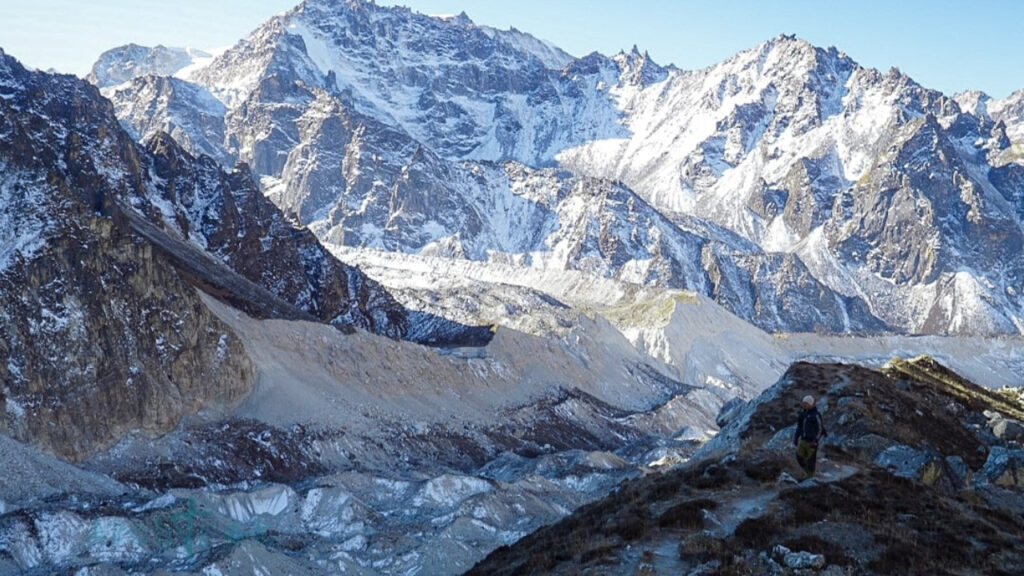
The trek offers some of the most dramatic scenery in Nepal.
Highlights include:
- Views of Mount Kanchenjunga
- Glaciers and icefalls
- Alpine meadows and forests
- Remote valleys and rivers
The isolation adds to the beauty and uniqueness of the experience.
Budget for the Kanchenjunga Base Camp Trek
The Kanchenjunga Base Camp Trek is more expensive due to its remote nature.
On average, expect to spend between 2,500 and 4,500 USD.
Costs include:
- Permits
- Guide and porter services
- Accommodation and food
- Transportation
The cost reflects the complexity and duration of the trek.
Eco-Friendly Trekking Practices
Responsible trekking matters a lot in remote areas. These spots often have fragile ecosystems and few ways to clean up messes. Bad habits from hikers can harm wildlife, pollute water, and upset locals who depend on the land.
Stick to key practices. First, skip plastic waste. Bags and bottles break down slow and choke rivers or animals. Carry cloth bags instead. Pick up any litter you see—even if it’s not yours.
Next, use reusable bottles. Fill them from safe streams or carry filters. One metal bottle lasts years and cuts trash. It saves money too.
Always dispose of waste right. Pack out everything: food scraps, tissues, used batteries. Bury human waste deep if no toilet. Check local rules first.
Respect local communities. Learn basic greetings in their language. Ask before snapping photos. Buy from shops, not just take trails through farms. Their ways keep the area alive.
Sustainable trekking preserves the region. It keeps trails open for future hikes. Healthy lands mean more birds, clear streams, strong villages. You leave it better than you found it. Small steps add up fast.
Final Thoughts on the Kanchenjunga Base Camp Trek
The Kanchenjunga Base Camp Trek is one of the most challenging and rewarding treks in Nepal. It offers adventure, solitude, and a deep connection with nature.
For experienced trekkers looking to explore a remote and untouched part of the Himalayas, this trek provides an unforgettable journey filled with stunning landscapes and cultural experiences.