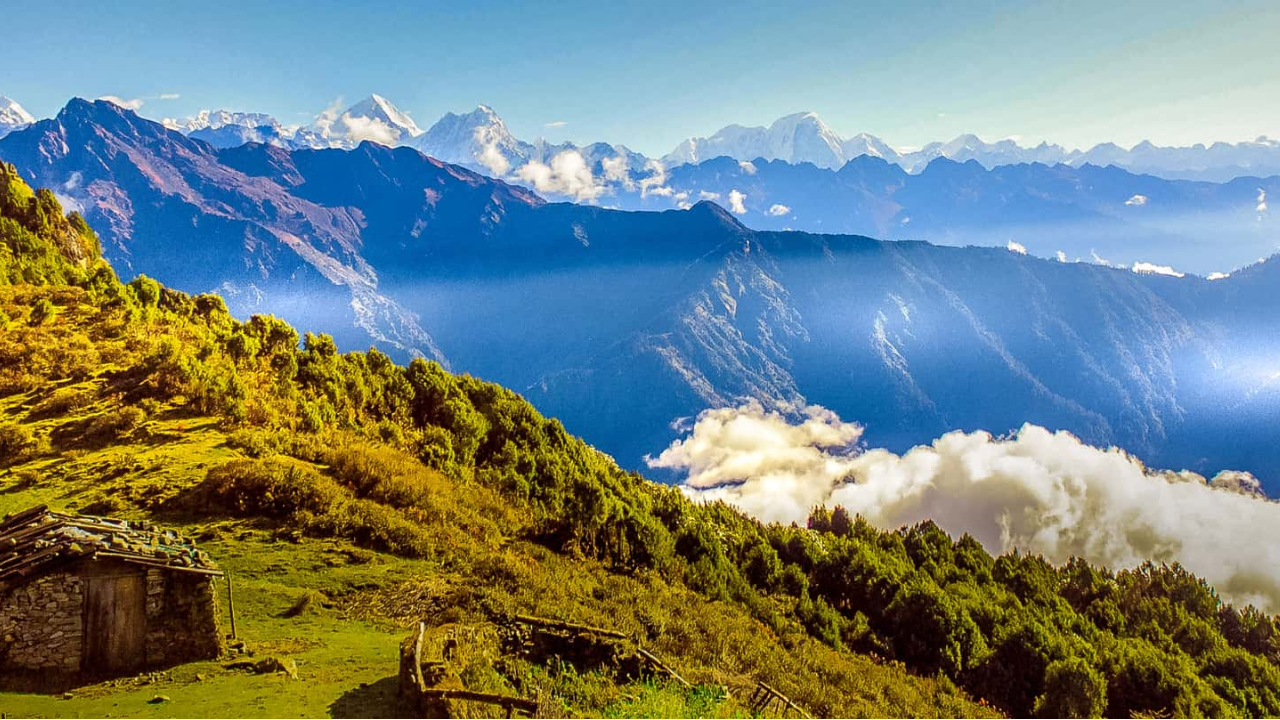
The Helambu Trek is one of the most accessible and culturally rich trekking routes in Nepal. Located just a short distance from Kathmandu, this trek offers a peaceful escape into the Himalayas without the need for long travel or extreme altitude. Known for its beautiful landscapes, traditional villages, and welcoming local communities, the Helambu Trek is perfect for beginners and those looking for a shorter adventure.
Unlike more crowded trekking routes, the Helambu Trek provides a quieter and more relaxed experience. You will walk through lush forests, terraced farmlands, and charming villages while enjoying stunning views of snow-capped peaks. The combination of natural beauty and cultural immersion makes this trek a hidden gem in Nepal.
What Is the Helambu Trek?
The Helambu Trek is a short trekking route in the Langtang region of Nepal. It typically takes between 5 and 8 days to complete and reaches elevations of around 3,600 meters.
The trek usually starts from Sundarijal, which is about an hour’s drive from Kathmandu. From there, the trail passes through Chisapani, Kutumsang, Thadepati, and Melamchi Gaon before ending in Sermathang or Melamchi Bazaar.
What makes the Helambu Trek unique is its accessibility and cultural richness. It offers a complete trekking experience with mountain views, forests, and traditional villages, all within a relatively short time.
Why Choose the Helambu Trek?
The Helambu Trek is an excellent choice for many types of trekkers.
One of the main reasons to choose this trek is its proximity to Kathmandu. You can start trekking within a day of arrival, making it ideal for those with limited time.
Another advantage is the moderate difficulty level. The trek does not reach extreme altitudes, reducing the risk of altitude sickness.
The cultural experience is also a highlight. The region is home to the Hyolmo and Sherpa communities, known for their rich traditions and hospitality.
In addition, the Helambu Trek is less crowded compared to popular routes like Everest and Annapurna, allowing for a more peaceful experience.
Best Time to Do the Helambu Trek

The best time to do the Helambu Trek is during spring (March to May) and autumn (September to November).
Spring offers blooming flowers and pleasant temperatures, while autumn provides clear skies and excellent mountain views.
Winter (December to February) is colder but still manageable. Monsoon season (June to August) brings rain and slippery trails, making trekking more challenging.
Helambu Trek Route Overview
The Helambu Trek follows a scenic route through forests and villages.
A typical route includes:
- Sundarijal to Chisapani through forest trails
- Chisapani to Kutumsang with gradual ascent
- Kutumsang to Thadepati, the highest point
- Thadepati to Melamchi Gaon
- Melamchi Gaon to Sermathang
- Return via Melamchi Bazaar
The trail offers a mix of natural beauty and cultural experiences.
Helambu Trek Duration
The Helambu Trek usually takes 5 to 8 days.
A common itinerary includes:
- Day 1: Drive to Sundarijal and trek to Chisapani
- Day 2: Trek to Kutumsang
- Day 3: Trek to Thadepati
- Day 4: Trek to Melamchi Gaon
- Day 5: Trek to Sermathang
- Day 6: Return to Kathmandu
This short duration makes it perfect for travelers with limited time.
Physical Preparation for the Helambu Trek
The Helambu Trek is considered easy to moderate.
Preparation should include:
- Regular walking or light hiking
- Basic cardio exercises
- Building stamina for multi-day walking
No advanced training is required, making it suitable for beginners.
Altitude and Difficulty on the Helambu Trek
The Helambu Trek reaches a maximum altitude of around 3,600 meters.
Altitude sickness is not common, but mild symptoms can occur.
The main challenges include:
- Steady ascents
- Long walking hours
- Uneven trails
Taking your time and staying hydrated will help ensure a comfortable trek.
Accommodation on the Helambu Trek
Teahouses line the whole route. You spot them in villages. They sit at high camps too.
Step inside one. Simple rooms await. Expect wooden beds with firm mattresses. Thick blankets fight the chill. Walls block wind and rain.
Hungry after hiking? They cook hot meals. Dal bhat fills plates with rice and lentils. Veggies steam beside. Noodles or eggs work for quick bites.
Drinks refresh you. Strong tea brews in pots. Coffee perks up mornings. Cold sodas cool hot days.
Basic facilities handle needs. Squat toilets stay clean. Buckets offer wash water. Sinks let you scrub hands.
No plush carpets or king beds here. No spas or room service. These spots keep it real.
Yet they give solid rest. Sink into bed. Muscles relax. Stars shine through windows. Sleep comes fast.
Locals run these houses. They know the trail. Chat over dinner. Share trail tips.
Night after night, teahouses keep you going. Drop your pack. Eat well. Recharge. Hit the path fresh at dawn..
Food and Drink on the Helambu Trek
Food keeps things straightforward and full of good fuel. You get meals that power long days without fuss or waste.
Dal Bhat stands out as the star. This lentil stew simmers with spices and onions. It pours over fluffy rice. Pickles or greens add bite. It delivers protein from lentils. Carbs from rice keep you going strong.
Noodles cook fast. Toss in vegetables or a bit of egg. Soups bubble with potatoes, carrots, or greens. They warm you quick on cool evenings.
Rice pairs with fresh vegetables. Think beans, spinach, or cauliflower. Simple spices bring out flavors. Portions fill plates right.
Eggs shine at breakfast. Fry them up. Boil for easy grab. Bread or chapati soaks butter. Quick energy starts your day.
Hot tea brews everywhere. Coffee joins in too. Locals serve them steaming. They chase off morning chill.
Water needs care. Germs lurk in streams or taps. Boil it hard for ten minutes. Drop in purification tablets. Run through a filter pump. Taste stays clean. No upset stomach ruins your trip.
Essential Gear for the Helambu Trek
Pack right to boost your trek. Smart packing cuts stress and amps up fun. You dodge mishaps and stay comfy from start to end.
Key gear starts with clothes built for the trail. Pick comfy trekking clothes like quick-dry shirts and pants. They wick sweat and fight chafing on long hikes. Breathable fabrics keep you cool in sun, dry in mist.
Layer up with warm clothes. Base layers hug skin for moisture pull. Fleece mid-layers trap heat. A puffy jacket seals warmth at night or high spots. Cold snaps hit fast in mountains.
Grab a waterproof jacket. It blocks rain, wind, and snow. Look for taped seams and pit zips to dump heat. Gore-Tex types shed water yet let vapor escape. Wet gear ruins days.
Solid trekking shoes anchor you. They grip mud, rocks, and streams. Break them in first to dodge blisters. Waterproof ones with good ankle support handle rough paths.
Carry a backpack with rain cover. A 30-50 liter pack fits day kits or overnights. Hip belts shift weight to legs. Rain covers slip on quick to shield contents from downpours.
Hydrate smart with water bottles and purification tabs. Fill 2-3 liters capacity. Tablets zap bacteria in streams. No clean water? Boil or filter it. Dehydration sneaks up, saps energy.
Short treks turn wild too. Clouds roll in by noon. Winds whip up. Snow dusts peaks. Pack layers and wet gear always. Check forecasts, but prep for shifts. Rangers note half of rescues tie to poor prep. Stay dry, warm, fueled. Your trek shines.
Cultural Experience on the Helambu Trek
The Helambu Trek offers a rich cultural experience.
The region is home to Hyolmo and Sherpa communities, whose traditions are influenced by Tibetan Buddhism.
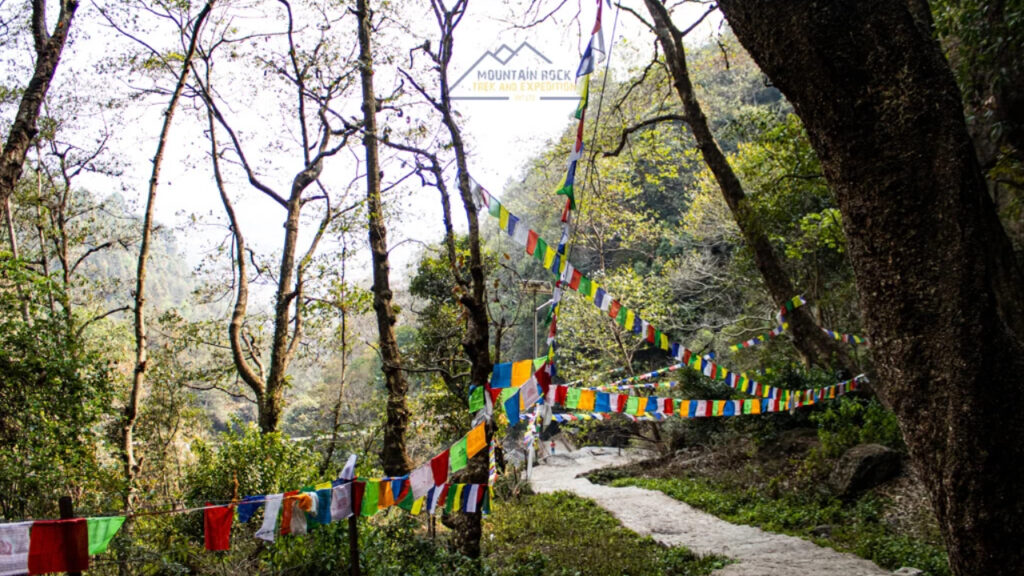
You will see monasteries, prayer flags, and traditional houses along the trail.
Interacting with locals provides insight into their lifestyle and culture.
Scenic Highlights of the Helambu Trek
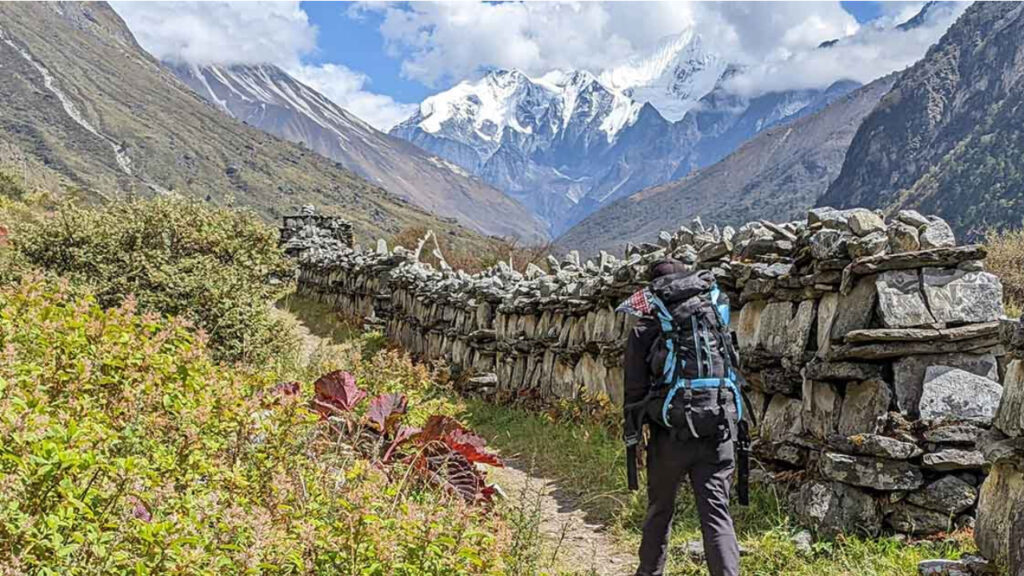
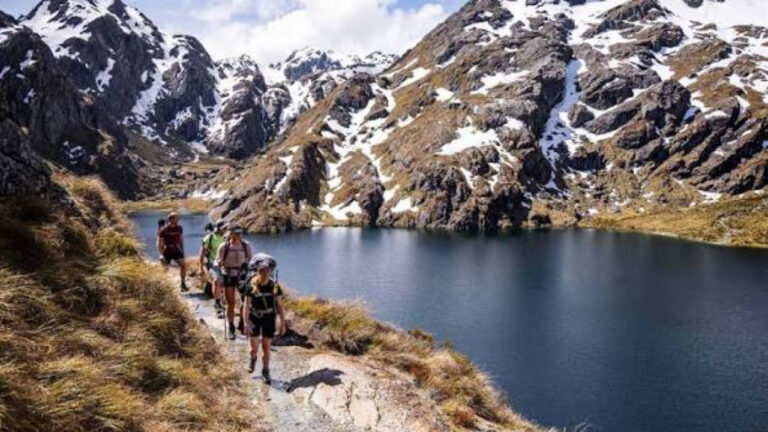
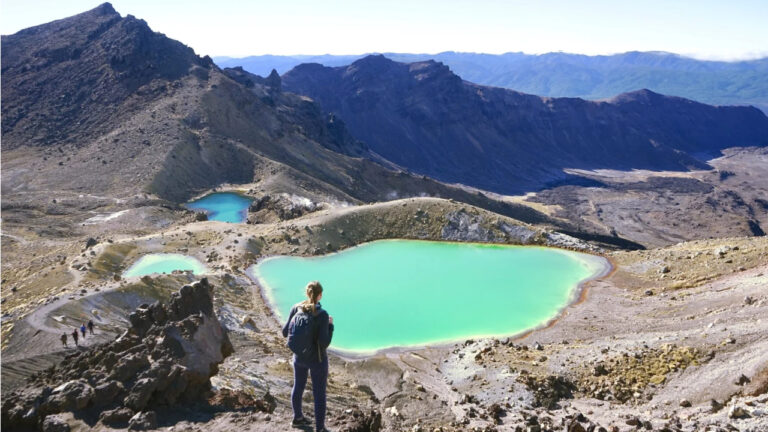
The trek shows off stunning views all the way.
You walk forest paths lined with thick trees and all kinds of plants. Tall rhododendrons bloom in spring. Ferns cover the ground. Birds call from branches overhead.
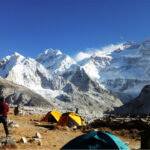
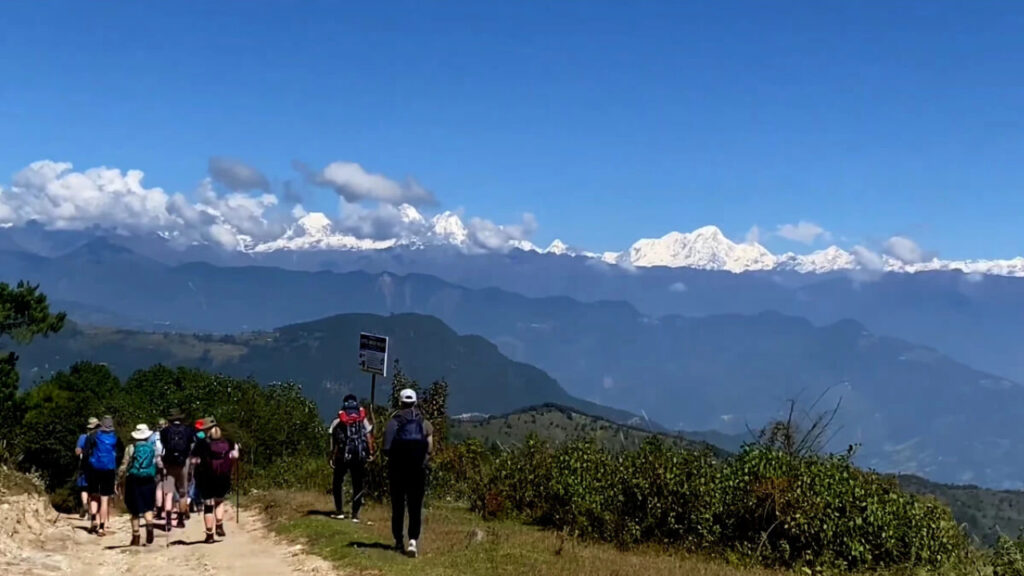
Then come the big payoffs. You catch clear sights of Langtang’s snow-capped tops. Jagged peaks rise sharp against blue skies. Dorje Lakpa stands tall at over 6,900 meters. Ganesh Himal looms in the distance.
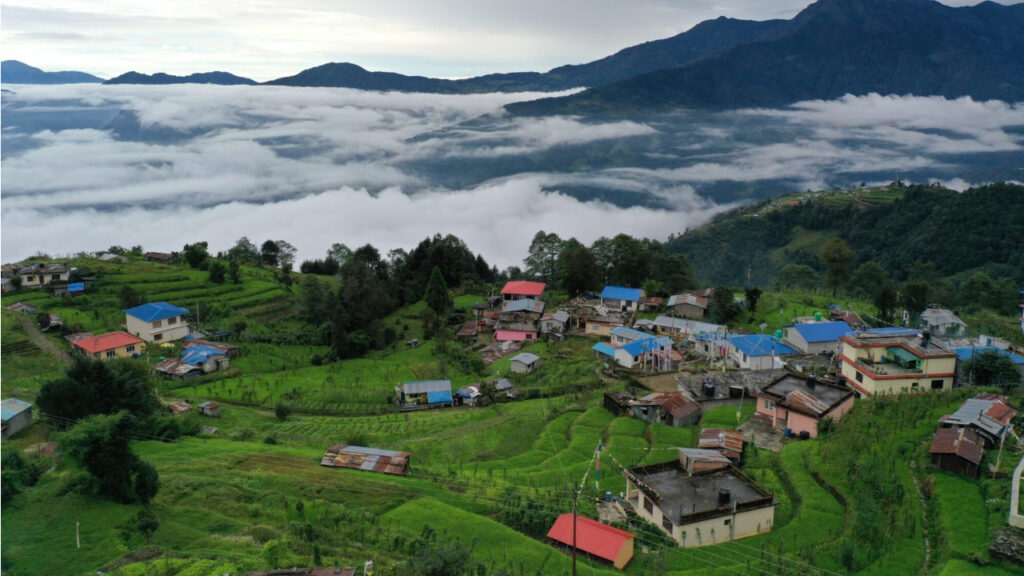
Pass through old villages built by local Tamang folks. Stone houses cluster on hillsides. Prayer flags snap in the wind. Nearby fields grow millet, potatoes, and barley. Farmers tend crops with hand tools, just like for generations.
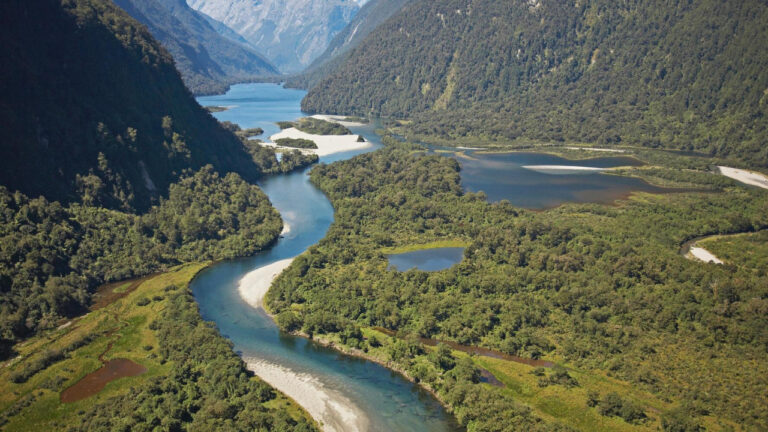
Higher up, calm mountain scenes take over. Rolling green valleys stretch wide. Rivers rush through rocks below. Yaks graze on open slopes. Wildflowers dot the meadows in summer.
This mix of sights keeps things fresh. No two days look the same. You stay hooked from the trailhead to the high pass and back down.
Budget for the Helambu Trek
The Helambu Trek is budget-friendly.
On average, expect to spend between 400 and 800 USD.
Costs include:
- Permits
- Accommodation
- Food
- Transportation
It is one of the most affordable trekking options in Nepal.
Eco-Friendly Trekking Practices
Responsible trekking is important.
Follow these practices:
- Avoid plastic waste
- Use reusable bottles
- Dispose of waste properly
- Respect local culture
Sustainable trekking helps protect the environment.
Final Thoughts on the Helambu Trek
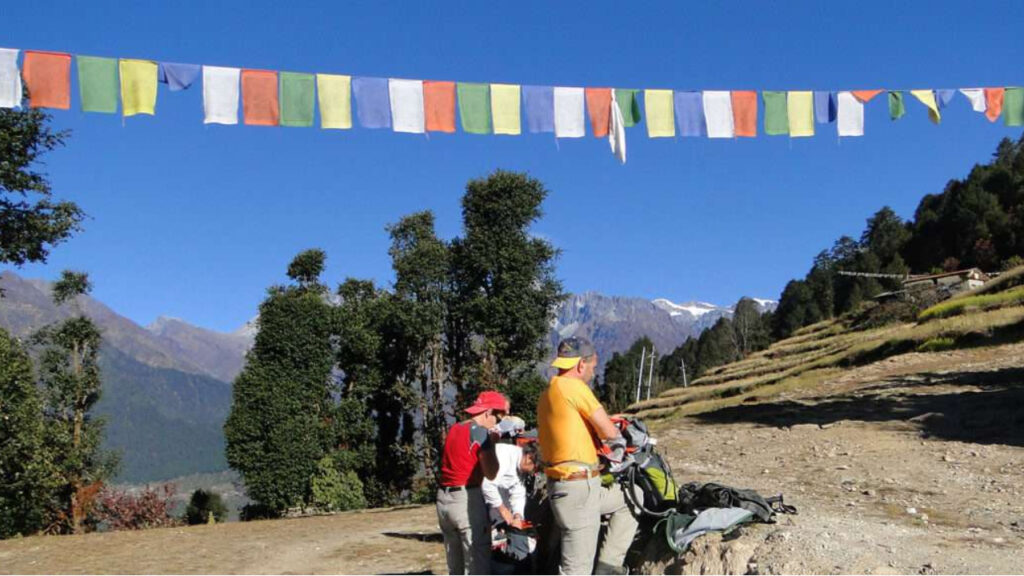
The Helambu Trek is a perfect choice for those looking for a short and rewarding Himalayan adventure. It combines natural beauty, cultural richness, and accessibility in one package.
Whether you are a beginner or an experienced trekker looking for a peaceful escape, the Helambu Trek offers a memorable experience close to Kathmandu.