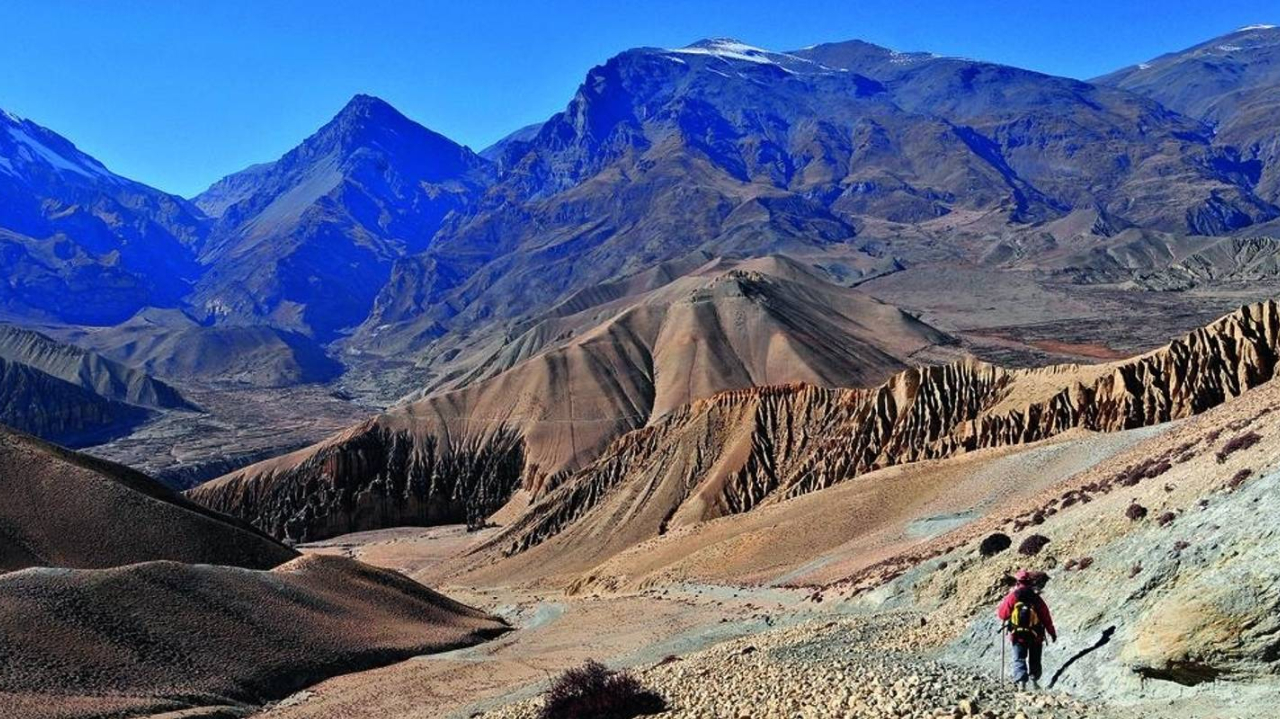
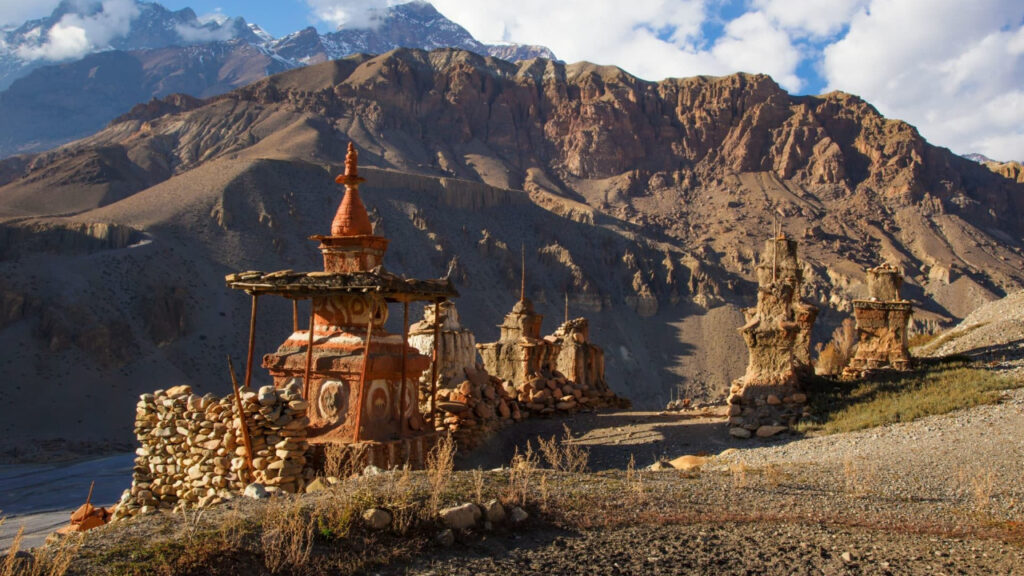
The Upper Mustang Trek is one of the most unique and culturally rich trekking experiences in Nepal. Unlike the lush green landscapes found in other parts of the country, Upper Mustang offers a dramatic high-altitude desert environment with deep canyons, eroded cliffs, and ancient cave dwellings. Often referred to as the “Last Forbidden Kingdom,” this region remained restricted to outsiders until 1992, preserving its traditions, culture, and way of life.
Located in the rain shadow of the Annapurna and Dhaulagiri ranges, the Upper Mustang Trek provides a rare opportunity to explore a landscape that feels more like Tibet than Nepal. With its ancient monasteries, walled city of Lo Manthang, and centuries-old traditions, this trek is perfect for those seeking both adventure and cultural discovery.
What Is the Upper Mustang Trek?
The Upper Mustang Trek is a restricted-area trek in northern Nepal that takes you into the remote region of Mustang, close to the Tibetan border. The trek typically lasts between 12 and 16 days and reaches elevations of around 3,800 meters.
The journey usually begins with a flight or drive to Jomsom, followed by a trek through Kagbeni, Chele, and Ghami before reaching Lo Manthang, the ancient capital of Mustang.
What sets the Upper Mustang Trek apart is its landscape. Instead of forests and glaciers, you will walk through dry valleys, wind-carved cliffs, and desert-like terrain. The region’s isolation has helped preserve its Tibetan-influenced culture, making it one of the most fascinating trekking destinations in the Himalayas.
Why Choose the Upper Mustang Trek?
The Upper Mustang Trek offers a completely different experience compared to other treks in Nepal.
One of the main reasons to choose this trek is its unique landscape. The barren terrain, colorful rock formations, and deep canyons create a surreal environment unlike anywhere else in Nepal.
Another reason is the cultural richness. The region is deeply influenced by Tibetan Buddhism, with monasteries, prayer flags, and traditional villages throughout the trail.
The highlight of the trek is Lo Manthang, a walled city that feels frozen in time. Exploring its narrow alleys, monasteries, and royal palace provides a glimpse into a centuries-old way of life.
Additionally, the Upper Mustang Trek is less affected by monsoon rains due to its location in a rain shadow, making it possible to trek even during summer months.
Best Time to Do the Upper Mustang Trek

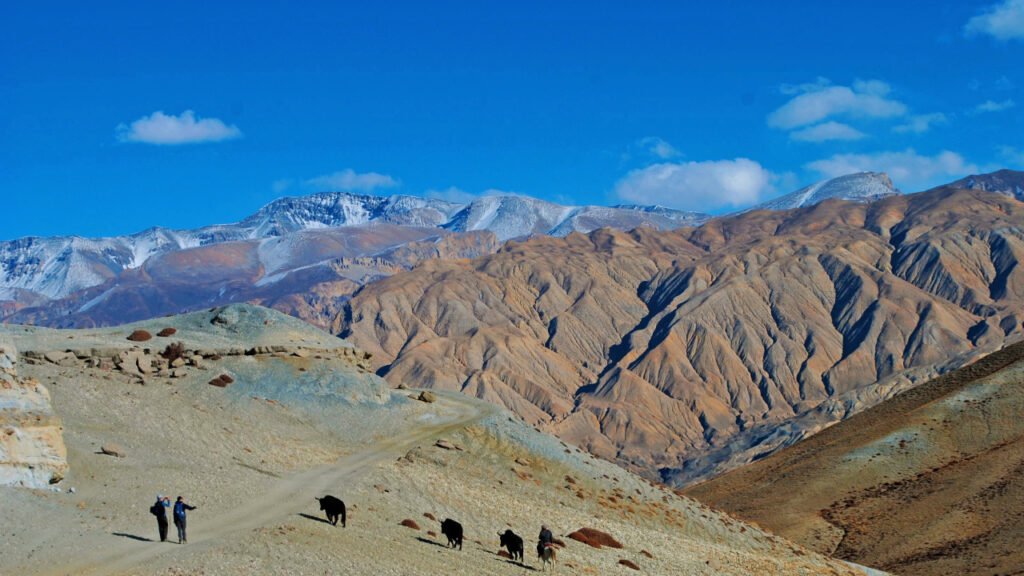
The Upper Mustang Trek can be done during a wider range of seasons compared to other treks in Nepal.
The best time is from March to November. Spring (March to May) and autumn (September to November) offer the best weather and visibility.
One unique advantage is that the trek is also suitable during the monsoon season (June to August), as the region receives very little rainfall.
Winter (December to February) is colder, and some lodges may be closed, making trekking more difficult.
Upper Mustang Trek Route Overview
The Upper Mustang Trek follows a well-defined route through the Mustang region.
A typical route includes:
- Jomsom to Kagbeni, the gateway to Upper Mustang
- Kagbeni to Chele through arid landscapes
- Chele to Ghami via high passes
- Ghami to Tsarang with ancient monasteries
- Tsarang to Lo Manthang, the main destination
- Exploration days around Lo Manthang
- Return via the same or alternative route
Each day brings new landscapes, from narrow canyons to open desert plains.
Upper Mustang Trek Duration
The Upper Mustang Trek typically takes 12 to 16 days.
A standard itinerary includes:
- 2 days for arrival and preparation
- 5 to 6 days to reach Lo Manthang
- 2 days for exploration
- 4 to 5 days for the return journey
This allows for a comfortable pace and cultural exploration.
Physical Preparation for the Upper Mustang Trek
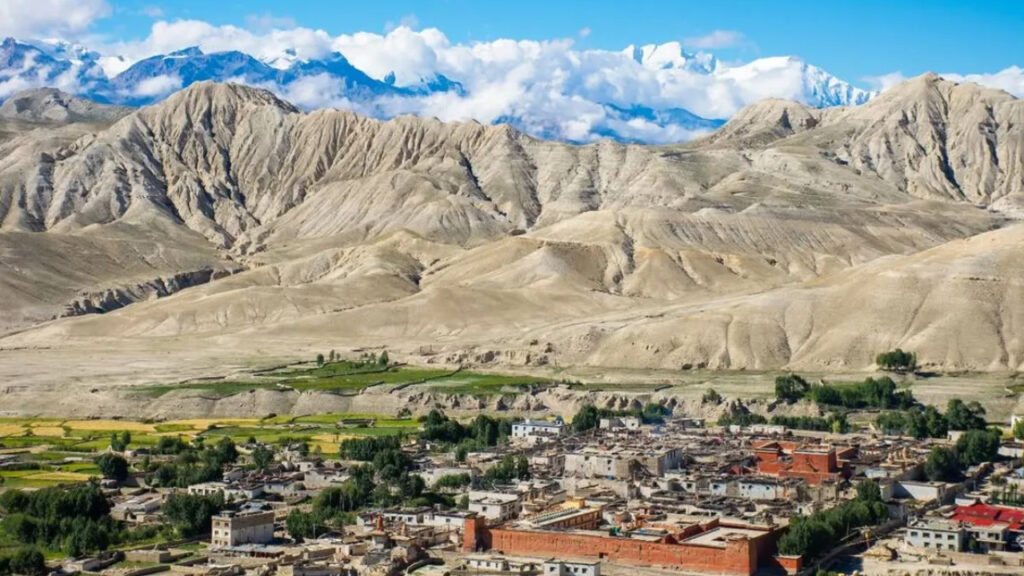
The Upper Mustang Trek counts as moderate in difficulty. Fit hikers with basic training manage it without much strain.
Get set with steady practice. Walk or hike three to four times each week. Start with flat paths, then add gentle hills to mimic the route.
Mix in light cardio work. Try brisk walks, easy jogs, or bike rides for twenty to thirty minutes. This pumps up your heart and lungs.
Build endurance step by step. Go longer each week, like from five kilometers to ten. Your body adapts to handle full trail days.
Focus on leg strength too. Do squats, step-ups, or calf raises at home. Strong quads and calves fight soreness on those extended walks.
The ground stays mostly even, without killer slopes. Still, the bone-dry air drains your water fast. Dust kicks up, and thirst hits hard.
Long stretches between stops test your pace. You cover big miles under the sun, which builds real fatigue by day’s end. Train smart to push through.
Altitude and Acclimatization on the Upper Mustang Trek
Altitude matters on this trek. It does not climb as high as spots like Everest Base Camp. Still, heights affect your body.
You spend most days between 3,000 and 3,800 meters. At these levels, mild altitude symptoms often start. Think headaches, light nausea, or extra fatigue. Your body lacks enough oxygen up there. It needs time to adjust.
Stay safe with these steps. Walk at a steady pace. Rush less. Take slow steps, especially uphill. Your heart works too hard if you push fast. This keeps symptoms low.
Stay hydrated. Drink water all day. Aim for clear urine as a check. Dry air at height pulls moisture from you fast. Skip alcohol and caffeine. They make it worse.
Eat right. Pick carbs like rice, bread, or pasta. Add fruits and nuts for snacks. Skip heavy fried foods. Good fuel helps your body fight tiredness.
Take rest days if needed. Sit back when you feel off. Extra sleep lets your body catch up. Many treks build in rest stops for this.
Acclimatization makes the trek smooth and fun. It means slow climb with breaks. Your blood makes more cells to carry oxygen. Follow the plan. You dodge big problems. Enjoy the views without worry.ek.
Accommodation on the Upper Mustang Trek
Teahouses provide accommodation along the route.
These are simple lodges offering:
- Basic rooms
- Traditional meals
- Shared facilities
While not luxurious, they provide a comfortable place to rest after long trekking days.
Food and Drink on the Upper Mustang Trek
Food stays basic on the trail, yet it fuels you well each day. Expect hearty portions that keep energy high for long hikes.
Dal Bhat tops the list. This Nepali staple pairs fluffy rice with thick lentil curry. Chefs often add spinach, potatoes, or pickles on the side. Trekkers eat it twice daily for its filling power.
Noodles show up next. Think spicy ramen or veg chow mein, quick to cook over wood fires. Soups come warm and brothy, loaded with carrots, onions, or herbs to soothe after cold walks.
Rice pairs with fresh vegetables too. Curry simmers cauliflower, beans, or eggplant in simple spices. It hits the spot when you need carbs fast.
Bread and eggs round out choices. Chapati or naan comes hot with scrambled, boiled, or fried eggs. A fast breakfast grabs you by the gut.
Hot drinks flow easy everywhere. Tea steeps strong with milk and sugar. Coffee brews black or milky, perfect for dawn starts or evening chills.
Water demands care above all. Germs lurk in streams and taps. Boil it hard, use tablets, or filters to stay safe. Skip bottles when you can; refill smart. Your gut thanks you later.
Essential Gear for the Upper Mustang Trek
Packing properly is important due to the dry and windy conditions.
Essential gear includes:
- Layered clothing
- Windproof jacket
- Sunglasses and sun protection
- Comfortable trekking boots
- Backpack and rain cover
- Water bottles and purification tablets
Dust protection such as a scarf or mask is also useful.
Cultural Experience on the Upper Mustang Trek
The Upper Mustang Trek offers one of the richest cultural experiences in Nepal.
The region follows Tibetan Buddhist traditions, and you will see monasteries, prayer wheels, and ancient rituals throughout the trek.
Lo Manthang is the cultural heart of the region, where traditions have been preserved for centuries.
Festivals such as Tiji Festival offer a rare opportunity to witness traditional dances and ceremonies.
Scenic Highlights of the Upper Mustang Trek
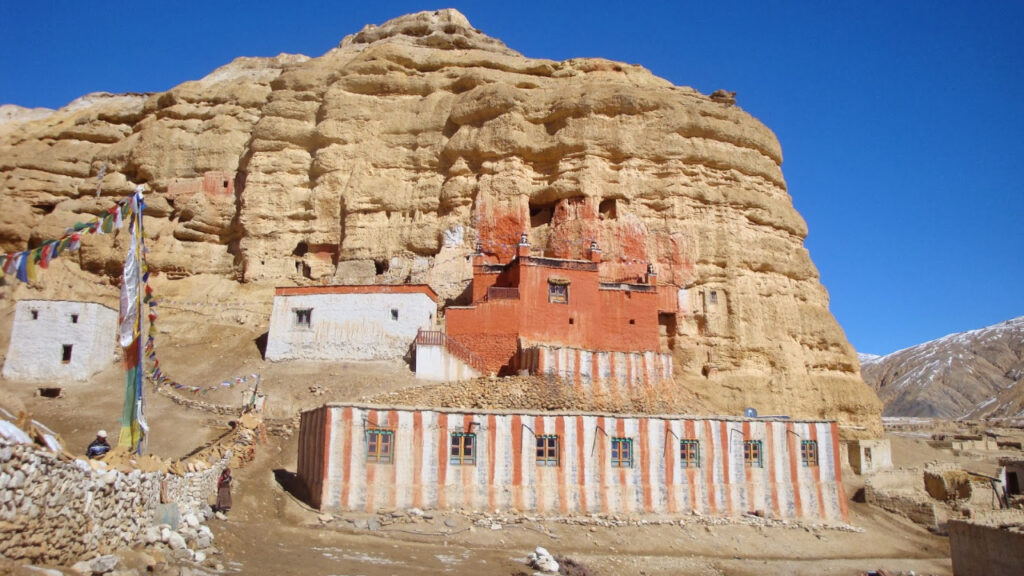
The trek is filled with unique landscapes.
Highlights include:
- Desert-like valleys and cliffs
- Ancient cave dwellings carved into rock
- Views of Nilgiri and Annapurna ranges
- The walled city of Lo Manthang
- High mountain passes with panoramic views
The scenery is unlike any other trekking region in Nepal.
Restricted Area Permits for Upper Mustang Trek
The Upper Mustang Trek requires special permits.
Trekkers must:
- Obtain a restricted area permit
- Travel with a licensed guide
- Pay higher permit fees compared to other treks
These regulations help preserve the region’s culture and environment.
Budget for the Upper Mustang Trek
The Upper Mustang Trek is more expensive due to permit costs.
On average, expect to spend between 2,500 and 4,000 USD.
Costs include:
- Restricted area permits
- Guide services
- Accommodation and food
- Transportation
Despite the cost, the experience is unique and worth it.
Eco-Friendly Trekking Practices
Responsible trekking is essential in remote regions.
Follow these practices:
- Avoid plastic waste
- Use reusable bottles
- Dispose of waste properly
- Respect local culture and environment
Protecting the region ensures it remains preserved for future visitors.
Final Thoughts on the Upper Mustang Trek
The Upper Mustang Trek 2026 – Cost, Itinerary, Permit, Map, Photos Trek is unlike any other trekking experience in Nepal. With its desert landscapes, ancient culture, and remote location, it offers a journey into a hidden world that few travelers get to explore.
For those seeking something different from traditional Himalayan treks, the Upper Mustang Trek provides a perfect blend of adventure, culture, and history