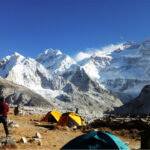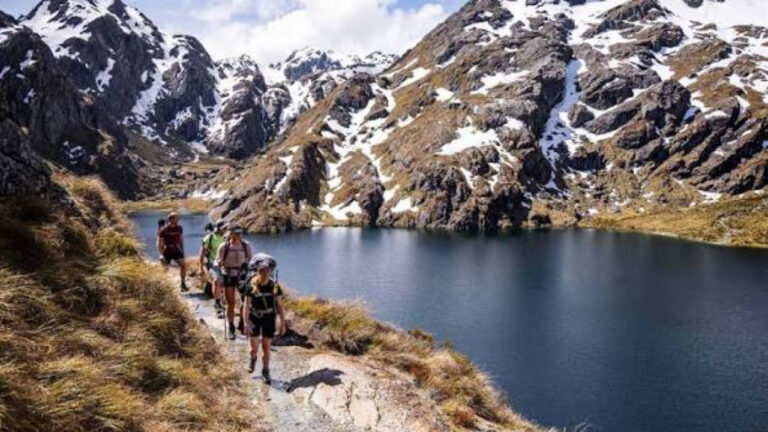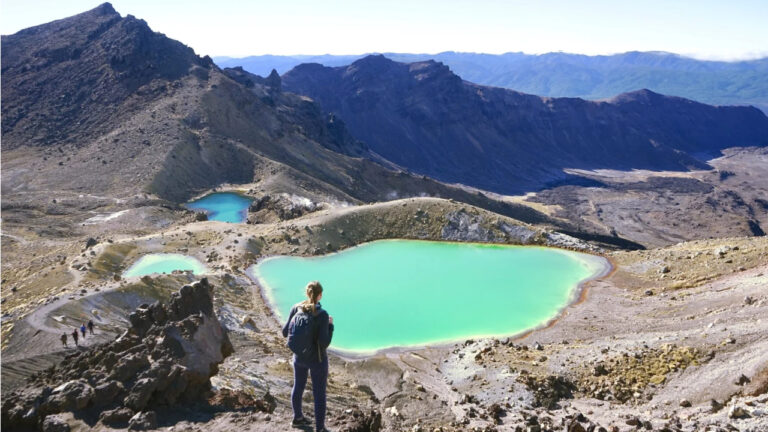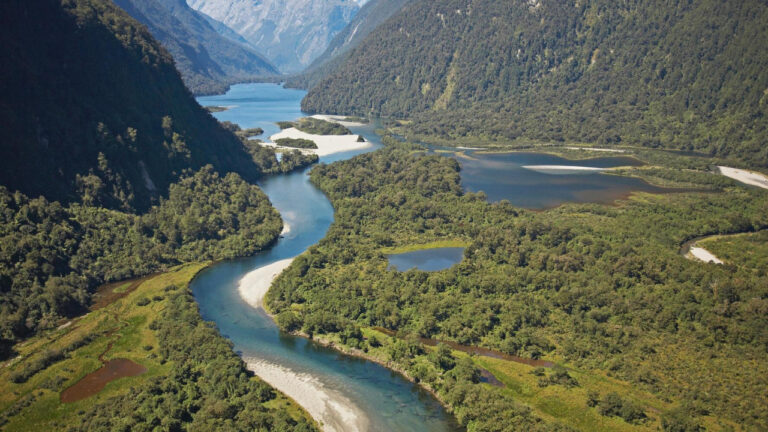
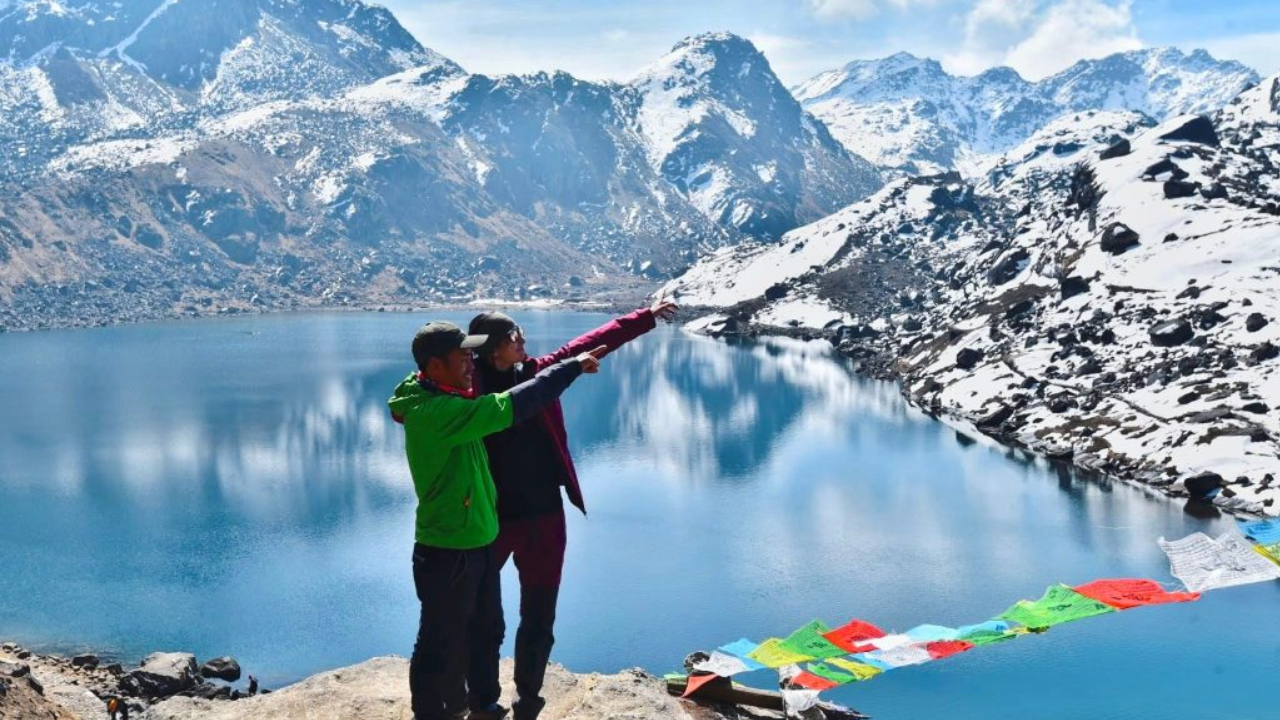
The Langtang Gosaikunda Trek is one of Nepal’s most diverse and spiritually significant trekking routes. Combining the beauty of Langtang Valley with the sacred alpine lakes of Gosaikunda, this trek offers a perfect blend of natural landscapes, cultural richness, and religious importance. It is ideal for trekkers who want a complete Himalayan experience without committing to extremely long or crowded routes.
Located north of Kathmandu, this trek takes you through forests, traditional villages, high mountain passes, and glacial lakes. The highlight of the journey is Gosaikunda Lake, a sacred site for both Hindus and Buddhists, surrounded by rugged peaks and pristine alpine scenery.
What Is the Langtang Gosaikunda Trek?
The Langtang Gosaikunda Trek is a combined trekking route that links Langtang Valley with the Gosaikunda lakes and Helambu region. It typically takes between 12 and 16 days to complete and reaches elevations of over 4,600 meters at Lauribina Pass.
The trek begins with a drive from Kathmandu to Syabrubesi. From there, the route follows the Langtang Valley trail up to Kyanjin Gompa before crossing into the Gosaikunda region via high ridges and alpine terrain.
What makes the Langtang Gosaikunda Trek unique is its variety. You experience lush forests, glacier valleys, sacred lakes, and high mountain passes all in one journey.
Why Choose the Langtang Gosaikunda Trek?
The Langtang Gosaikunda Trek offers a combination of experiences that few treks can match.
One of the main reasons to choose this trek is its diversity. You will walk through green forests, open valleys, and rugged high-altitude landscapes.
Another highlight is the spiritual significance of Gosaikunda Lake. It is an important pilgrimage site, attracting visitors from across Nepal and India.
The trek also offers a quieter alternative to Everest and Annapurna, allowing for a more peaceful and immersive experience.
Additionally, the proximity to Kathmandu makes it accessible without long travel times.
Best Time to Do the Langtang Gosaikunda Trek

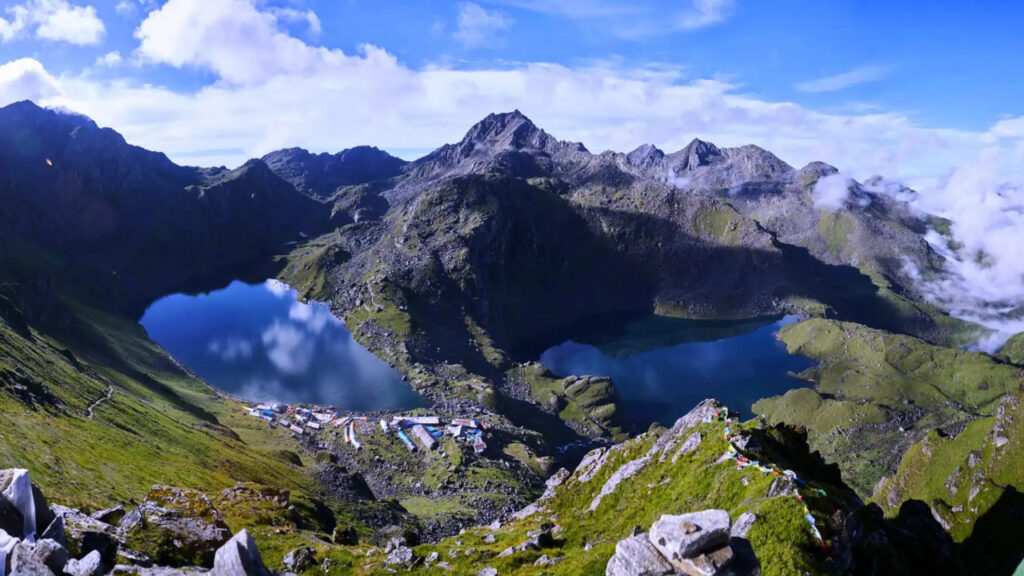
The best time to do the Langtang Gosaikunda Trek is during spring (March to May) and autumn (September to November).
Spring offers blooming flowers and pleasant weather, while autumn provides clear skies and excellent mountain views.
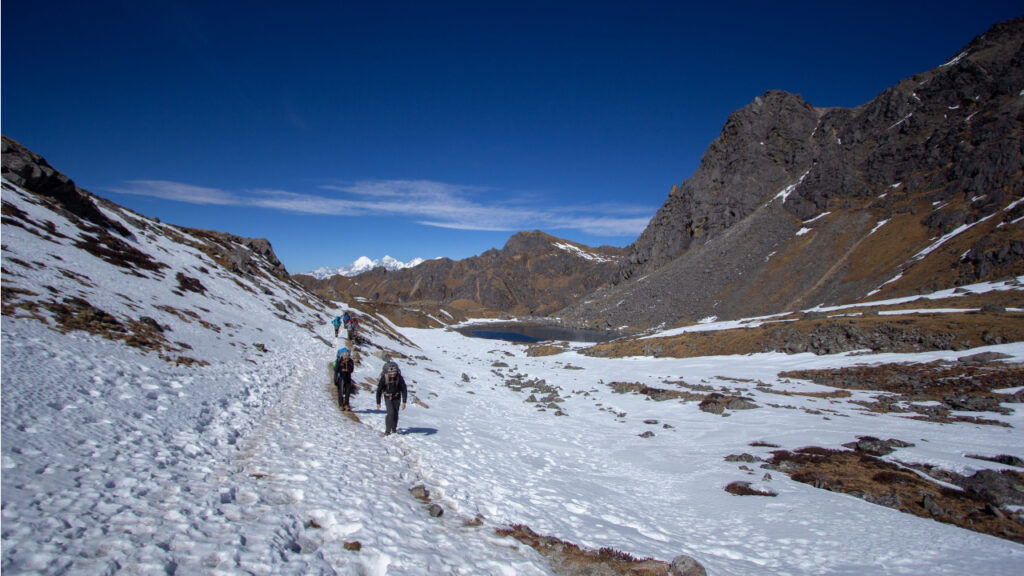
Winter can be very cold, especially at higher elevations, and snow may block Lauribina Pass. Monsoon season brings rain and slippery trails, making trekking more challenging.
Langtang Gosaikunda Trek Route Overview
The Langtang Gosaikunda Trek follows a varied and scenic route.
A typical route includes:
- Syabrubesi to Lama Hotel through forest trails
- Lama Hotel to Langtang Village
- Langtang Village to Kyanjin Gompa
- Acclimatization and exploration around Kyanjin Gompa
- Return to Lama Hotel
- Trek to Thulo Syabru
- Ascend to Sing Gompa and Lauribina
- Reach Gosaikunda Lake
- Cross Lauribina Pass
- Descend toward Helambu region
Each section of the trail offers different landscapes and experiences.
Langtang Gosaikunda Trek Duration
The Langtang Gosaikunda Trek typically takes 12 to 16 days.
A standard itinerary includes:
- 5 to 6 days in Langtang Valley
- 2 acclimatization days
- 3 to 4 days to reach Gosaikunda
- 2 to 3 days for descent
This allows for proper acclimatization and exploration.
Physical Preparation for the Langtang Gosaikunda Trek
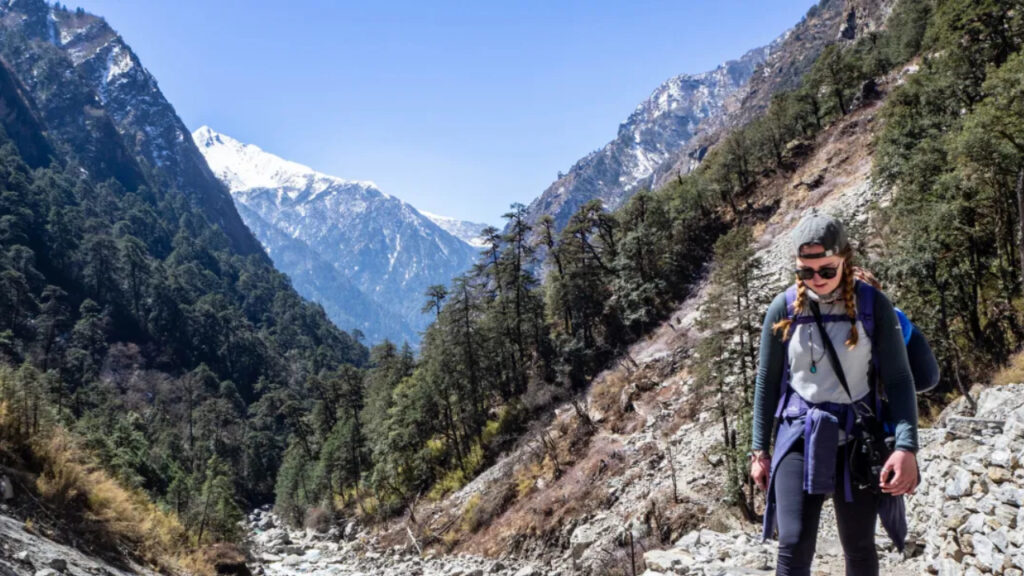
The Langtang Gosaikunda Trek is moderate to challenging.
Preparation should include:
- Cardio exercises such as walking or running
- Strength training for legs
- Practice hikes with a backpack
- Building endurance
Good physical fitness will make the trek more enjoyable.
Altitude and Acclimatization on the Langtang Gosaikunda Trek
Altitude is an important factor on this trek.Langtang Gosaikunda Trek
The route reaches over 4,600 meters, increasing the risk of altitude sickness.
To stay safe:
- Ascend gradually
- Take acclimatization days
- Stay hydrated
- Avoid overexertion
Kyanjin Gompa and Langtang Valley are key acclimatization points.
Accommodation on the Langtang Gosaikunda Trek
Teahouses line most stretches of the trail. Hikers find them at key stops along the way. These cozy lodges, run by local families, serve as rest points. They let you recharge after long days of walking.
Inside, they offer basic rooms. Expect simple beds with thick blankets. Most hold two or four people. Shared walls keep things snug.
They cook up hot meals too. Think rice, lentils, and veggies. Tea flows freely. Soft drinks and beer show up at lower spots.
Facilities stay plain. Toilets work, often outside. Hot bucket showers help on chilly nights. Sinks let you wash up quick.
Climb higher, and things change. Rooms turn rougher past certain passes. Blankets pile up against the cold. No showers up top. Heat comes from stoves or crowds. You sleep sound anyway, tired from the climb. These spots keep you going strong.
Food and Drink on the Langtang Gosaikunda Trek
Food keeps things basic on the trek. It nourishes your body for tough days ahead. Dal bhat stands out as the top choice. This means rice mixed with thick lentil curry. Locals cook it fresh each meal. Add spicy pickles or papads on the side. One big plate powers hours of walking. Eat it twice a day to stay strong.
Noodles hit the spot when chill sets in. Think instant packs boiled quick. Soups bubble with potatoes, carrots, or greens. They warm you from the inside out.
Rice teams up with stir-fried vegetables. Momos stuffed with veg offer a tasty bite now and then.
Eggs fry up crisp for breakfast. Pair them with soft bread or chapati. It kicks off your morning right.
Hot drinks flow easy everywhere. Ginger lemon honey soothes a tired throat. Black tea or milky chai brews strong. Coffee perks you for the next climb.
Grab safe water every time. Boil it hard for minutes. Drop in purification tablets. Or run it through a filter pump. Skip the runs that way. Teahouses provide hot water to start.
Essential Gear for the Langtang Gosaikunda Trek
Pack the right gear. It keeps you safe when conditions shift fast. High spots above tree line see wild weather swings. One minute sun shines. Next, snow blasts in or fog rolls thick. Temps drop sharp in minutes. Without proper stuff, cold or wet hits hard.
Key items top your pack list. Start with warm layered clothing. Base layer wicks sweat. Fleece mid layer traps heat. Outer shell blocks wind. Layers let you add or peel as air chills.
Grab a down jacket. It packs small but puffs up thick for max warmth. Feathers inside trap air to fight off frost.
Waterproof gear seals you dry. Rain jacket and pants with sealed seams stop water cold. Wet clothes steal body heat quick.
Trekking boots grip steep rock and mud. Thick soles cushion miles. High tops guard ankles from twists.
Sleeping bag fights night chills. Pick one rated for sub-zero if you camp high. Zipper and hood lock in warmth.
Trekking poles steady your steps. They cut knee strain by 25 percent on downhills. Poles help push up tough slopes too.
Spot shifts early. Watch clouds build. Gear preps you to hunker down or push on. Stay warm. Stay dry. Reach the top sound.
Cultural Experience on the Langtang Gosaikunda Trek
This trek pulls you deep into vibrant cultural worlds. You run into Tamang and Sherpa communities along the way. Tamang folks live in hillside villages, known for their warm ways and old crafts. Sherpas, famous for guiding climbers on peaks like Everest, share that same spirit. Both groups carry heavy Tibetan roots. Their ways stem from close ties to Tibet, seen in daily life and faith.
Prayer flags snap in the breeze everywhere you look. These colored cloths hold printed prayers. Wind spreads blessings to the land. You pass ancient monasteries too. Monks in red robes chant inside dim halls. Stone walls hold statues of Buddha. Traditional villages dot the path. Mud homes with carved doors cluster around fields. Locals tend yaks, weave wool, and brew chang beer from millet.
Gosaikunda Lake sits high at 4,380 meters. Clear waters reflect snowy peaks. Hindus and Buddhists call it holy. Shiva created it, legends say, with a strike of his trident. Pilgrims flock here each year. During Janai Purnima in August, thousands climb up. They bathe in icy water for purification. Sacred threads get changed. The site buzzes with drums, horns, and chants. You feel the pull of age-old rituals firsthand.
Scenic Highlights of the Langtang Gosaikunda Trek
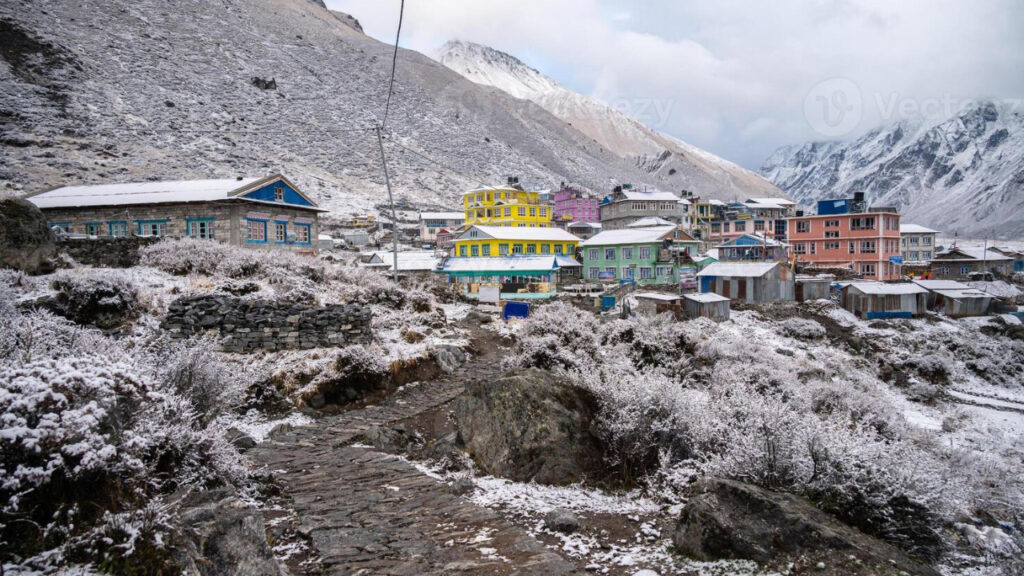
The trek offers a wide range of scenic highlights.
These include:
- Langtang Valley landscapes
- Views of Langtang Lirung
- Glaciers and alpine meadows
- Gosaikunda Lake and surrounding peaks
- High mountain passes
The variety of scenery makes the trek highly rewarding.
Budget for the Langtang Gosaikunda Trek
The Langtang Gosaikunda Trek is moderately priced.
On average, expect to spend between 800 and 1,500 USD.
Costs include:
- Permits
- Accommodation
- Food
- Transportation
- Guide services
It offers good value for the experience.
Eco-Friendly Trekking Practices
Responsible trekking is important.
Follow these practices:
- Avoid plastic waste
- Use reusable bottles
- Dispose of waste properly
- Respect local culture
Sustainable trekking helps protect the environment.
Final Thoughts on the Langtang Gosaikunda Trek
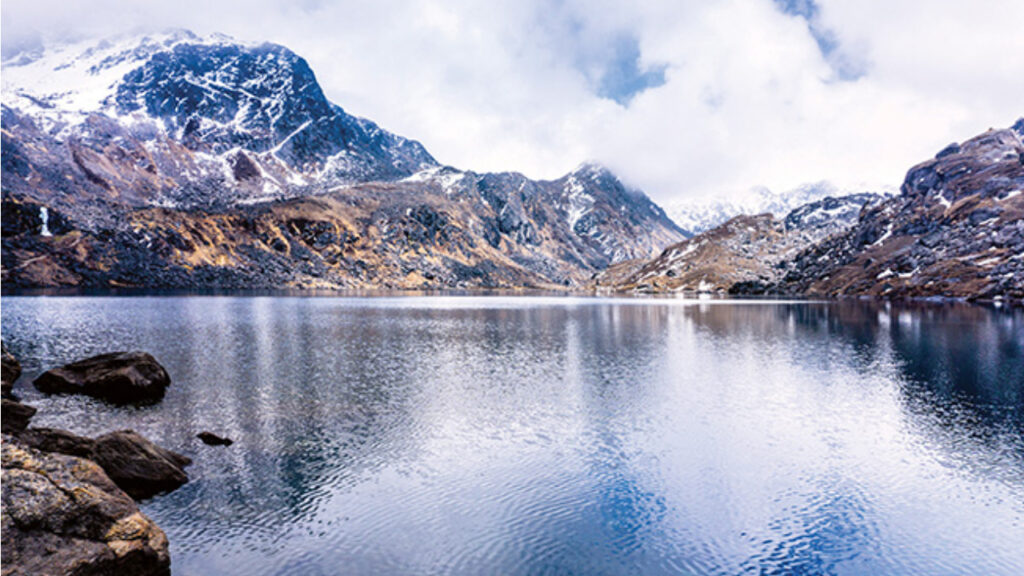
The Langtang Gosaikunda Trek is a perfect combination of adventure, culture, and spirituality. It offers diverse landscapes, meaningful cultural encounters, and the chance to visit one of Nepal’s most sacred sites.
For trekkers seeking a complete Himalayan experience within a reasonable timeframe, this trek is an excellent choice.