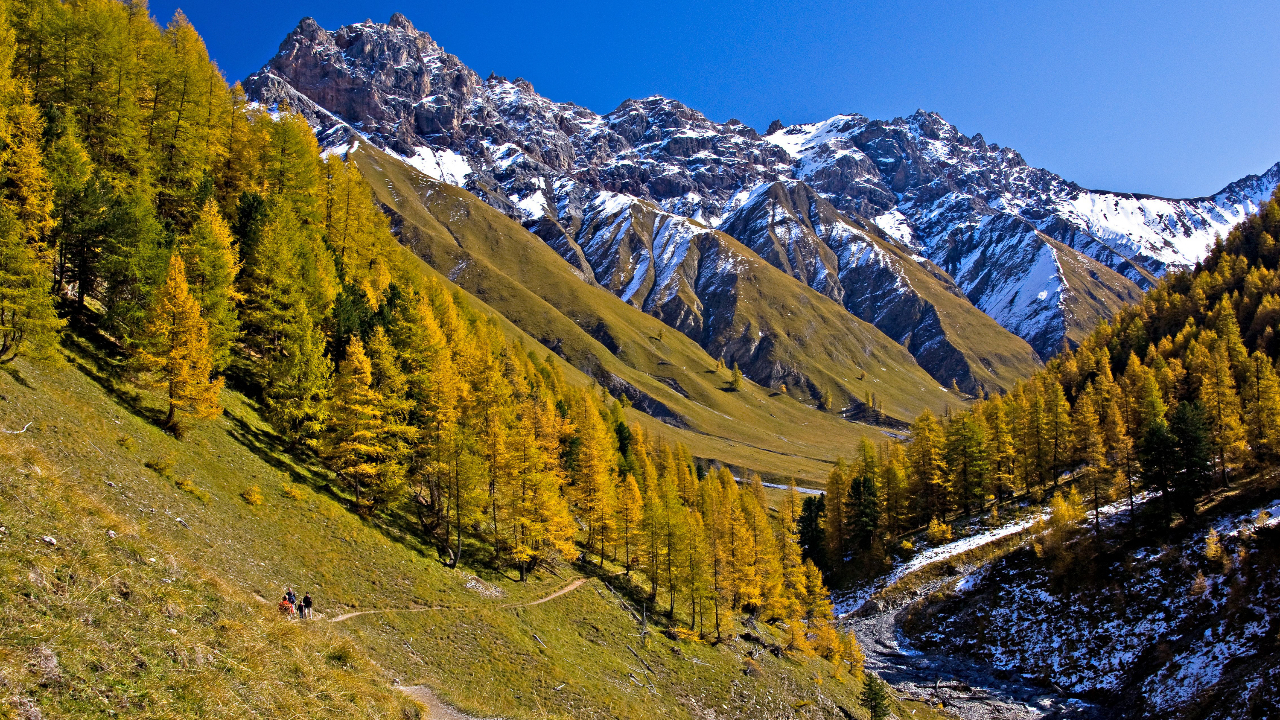
Val Trupchun is one of the most rewarding places to visit in the Swiss National Park, especially for travelers who want to experience Alpine scenery and observe wildlife in a protected natural environment. Located in the canton of Graubünden near S-chanf, this beautiful valley is known for its mountain landscapes, mixed Alpine forests, rich vegetation, and excellent opportunities to observe animals such as red deer, ibex, chamois, and marmots.
Unlike heavily developed mountain destinations, Val Trupchun offers an experience centered on nature. There are no large resorts or busy tourist attractions scattered throughout the valley. Instead, visitors encounter marked hiking trails, mountain scenery, forests, open meadows, and the chance to observe wildlife in its natural habitat.
The valley forms part of the Swiss National Park, which was established in 1914 and is the oldest national park in the Alps. The park covers about 170 square kilometers and protects natural processes with a particularly high level of protection.
For nature lovers, this makes Val Trupchun an especially interesting destination. You are not simply walking through a beautiful mountain valley; you are visiting a landscape where nature is deliberately allowed to develop with minimal human interference.
The experience becomes particularly impressive in autumn, when red deer gather in the valley during the rutting season. The Swiss National Park describes the area as one of its best places for observing red deer and other ungulates.
Whether you are interested in wildlife photography, hiking, Alpine plants, geology, or simply spending a peaceful day outdoors, Val Trupchun deserves a place on your Switzerland itinerary.
Why Visit Val Trupchun?
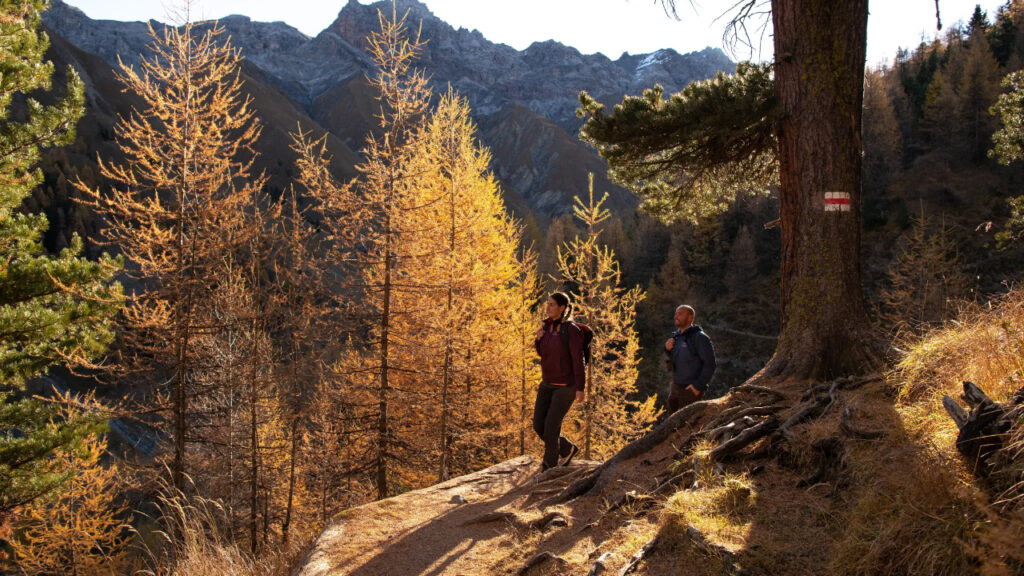
One of the biggest reasons to visit Val Trupchun is its combination of accessible hiking and exceptional wildlife opportunities.
The valley is relatively gentle compared with some of the steeper mountain routes in the Swiss National Park. The official Alp Trupchun hiking route is listed at approximately 14 kilometers and around four hours of walking time.
This makes it possible to explore a substantial section of the valley without needing to undertake an extremely technical mountain hike.
The scenery changes throughout the walk.
You can begin among forests and lower Alpine landscapes before moving deeper into the valley. As the surrounding mountains become more prominent, open meadows and mountain slopes create excellent opportunities for wildlife observation.
The lack of extensive development is another major advantage.
Instead of spending your day moving between commercial attractions, you can concentrate on the landscape itself.
The Swiss National Park encourages visitors to familiarize themselves with its protection regulations and current trail conditions before setting out.
This approach is important because the park exists primarily to protect nature.
Explore the Swiss National Park
Val Trupchun is part of the Swiss National Park, one of Switzerland’s most important protected natural areas.
The park was founded in 1914 and is described by the National Park as the oldest national park in the Alps and the largest wilderness area in Switzerland. It contains roughly 100 kilometers of marked hiking trails.
The park follows a strict conservation philosophy.
Natural processes are allowed to continue with very limited human interference. Plants, animals, habitats, and natural processes are protected, making the area an important place for both conservation and scientific research.
For visitors, this means the hiking experience is different from walking through an ordinary recreational landscape.
You should expect nature to take priority.
There are specific regulations governing what visitors can and cannot do. For example, dogs are not permitted inside the National Park, even when kept on a leash. Camping and campfires are also prohibited within the park.
These restrictions may seem strict, but they help preserve the environment that makes the region special.
Watch Red Deer in Val Trupchun
Wildlife is the main reason many visitors choose Val Trupchun.
The valley is particularly famous for red deer.
During the autumn rut, male deer compete for the attention of females, creating one of the most memorable wildlife experiences available in the Swiss Alps.
The Swiss National Park specifically identifies autumn as an ideal time for observing the red deer rut in Val Trupchun.
The experience is not guaranteed.
Wild animals are unpredictable, and responsible visitors should never approach them or attempt to disturb them.
Instead, bring binoculars or a suitable camera lens and observe from a respectful distance.
Early mornings and later parts of the day can be particularly rewarding for wildlife observation because animals are often more active when temperatures are cooler.
Patience is important.
You may walk for some time without seeing anything before suddenly spotting movement on a distant slope.
That uncertainty is part of what makes wildlife observation exciting.
Look for Ibex and Chamois
Red deer are not the only animals that make Val Trupchun special.
The Swiss National Park also highlights ibex, chamois, and marmots among the animals that visitors may encounter in the valley.
Ibex are particularly well adapted to the steep Alpine environment.
They can often be seen on rocky slopes and higher mountain terrain.
Chamois are similarly agile and can move quickly across difficult ground.
Marmots provide a completely different wildlife experience.
These small Alpine mammals are often associated with meadows and rocky areas and can sometimes be spotted during warmer months.
The key to successful wildlife observation is learning to look beyond the obvious.
Do not only scan the trail directly ahead.
Look carefully across distant slopes, meadows, rocks, and forest edges.
Binoculars can make a significant difference.
The Swiss National Park even provides binocular rental at its National Park Centre in Zernez.
Listen for the Sounds of the Valley
One of the most enjoyable aspects of hiking in Val Trupchun is the opportunity to experience a quieter natural environment.
Away from busy roads and urban areas, the sounds of the mountains become more noticeable.
You may hear birds moving through the trees, streams flowing through the valley, wind moving through Alpine vegetation, or distant calls from wildlife.
During the autumn rut, the sounds of red deer can become an especially memorable part of the experience.
Rather than constantly walking with music or other distractions, consider spending some sections of the trail simply listening.
This can make the experience feel much more immersive.
The Swiss National Park is designed around the idea of allowing natural processes to unfold with minimal interference.
Visitors who slow down and observe carefully are often able to appreciate this philosophy more fully.
Discover Alpine Plants
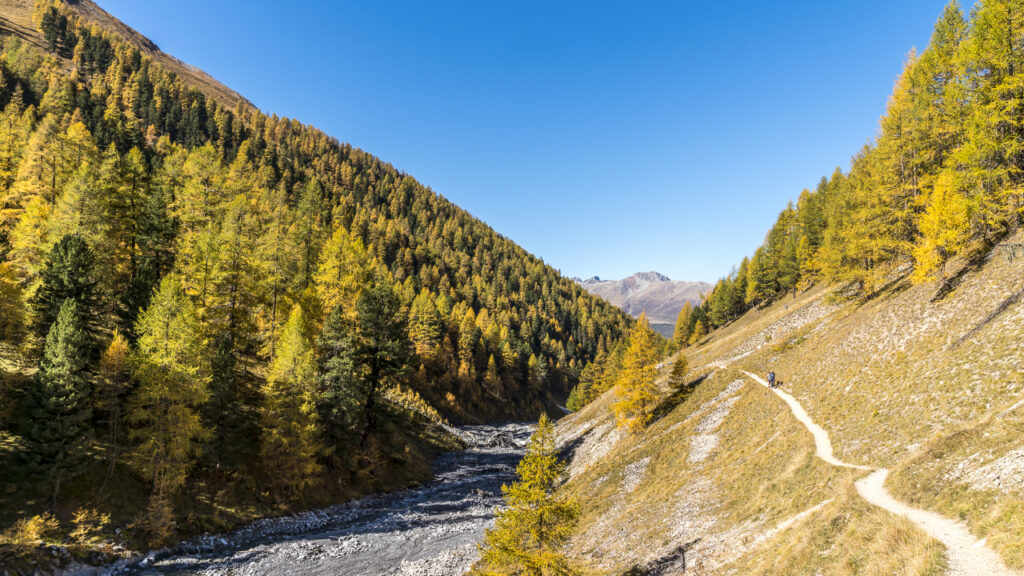
Val Trupchun is also valuable for its plant life.
The valley contains a wide variety of vegetation, from forest habitats to open Alpine meadows.
The National Park’s guided Val Trupchun excursion specifically highlights the area’s diverse plant life as one of its attractions.
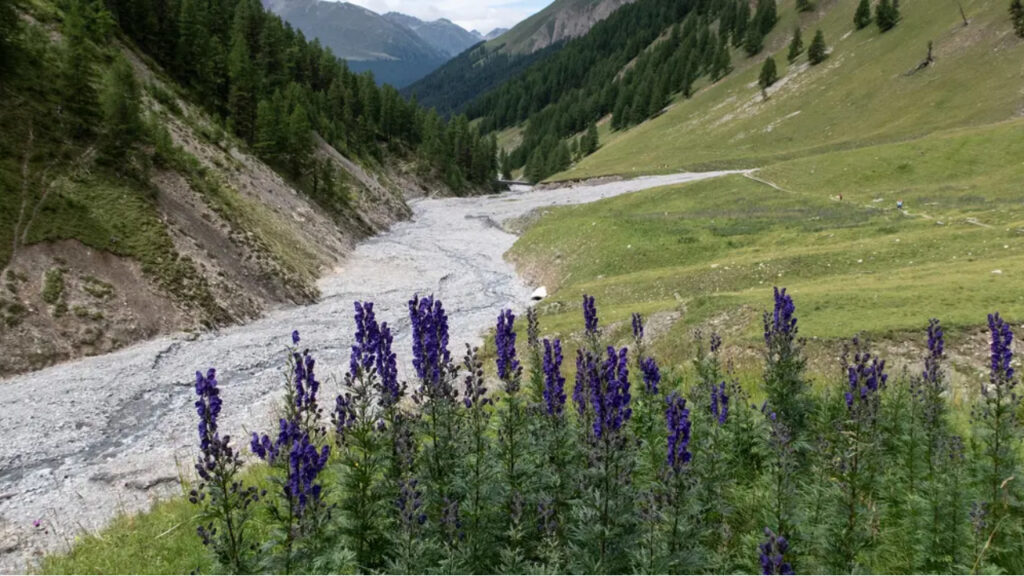
During summer, Alpine flowers can add color to the landscape.
The National Park notes that July and August are particularly favorable months for seeing flowers in bloom, with many plants flowering at higher elevations during the summer season.
The variety of vegetation is connected to elevation, geology, exposure, and local climate.
As you move through the valley, you can observe how the landscape changes.
Forests give way to more open vegetation, while higher areas contain plants adapted to colder and harsher conditions.
For anyone interested in botany or nature photography, this adds another dimension to the hike.
Remember that the National Park is a protected environment.
Do not pick flowers or remove plants, rocks, or other natural objects.
Explore the Geological Landscape
The landscape around Val Trupchun is not only beautiful; it also tells the story of how the Alps formed.
The Swiss National Park’s guided excursion highlights impressive rock folds near Alp Purcher as an example of Alpine geological development.
These formations can help visitors understand that the mountains are the result of enormous geological forces acting over millions of years.
Look closely at exposed rock surfaces and mountain walls as you walk.
You may notice layers, folds, cracks, and changes in rock color.
The mountains become more interesting when you understand that their shapes are connected to ancient geological processes.
For photographers, these formations also create dramatic compositions.
The combination of rock, vegetation, distant peaks, and changing light can produce very different views throughout the day.
Hike the Alp Trupchun Route
The official Alp Trupchun route is one of the principal ways to explore the valley.
The Swiss National Park currently lists Route 01 Alp Trupchun at approximately 14 kilometers, with an estimated walking time of around four hours.
The route allows visitors to travel deeper into the valley while experiencing different habitats.
Compared with some of the park’s more demanding mountain routes, the route is relatively manageable.
However, four hours of mountain walking still requires appropriate preparation.
Wear sturdy hiking shoes and carry sufficient water, food, and weather protection.
Do not assume that a route will be easy simply because it does not involve a dramatic summit.
Weather can change rapidly in the Alps, and trail conditions can vary.
The official National Park recommends checking trail conditions before departure.
Consider the Fuorcla Trupchun Route
More experienced hikers can consider longer routes through the surrounding mountain terrain.
The Swiss National Park currently lists Route 02 Fuorcla Trupchun at approximately 21.5 kilometers with an estimated walking time of around seven and a half hours.
This is a significantly longer outing than the main valley walk.
It should therefore be approached as a full-day mountain hike rather than a casual walk.
The route provides an opportunity to experience more of the surrounding Alpine landscape and gain a different perspective on the valley.
Before choosing a longer route, consider your hiking experience, the weather forecast, daylight hours, and current trail conditions.
Mountain routes can become considerably more difficult when visibility decreases or weather conditions deteriorate.
Visit in Summer
Summer is one of the best seasons to explore Val Trupchun.
The National Park states that July and August are ideal months for visiting because the trails are generally accessible, daylight hours are long, and temperatures are agreeable.
This period is particularly attractive for hiking and observing Alpine plants.
The meadows can be colorful with flowers, while warmer conditions make longer walks more comfortable.
Summer is also a good season for photographers.
The combination of green vegetation, blue skies, mountain peaks, and bright Alpine light can produce spectacular scenery.
However, summer does not guarantee perfect weather.
Mountain thunderstorms can develop quickly, so check the forecast before beginning a hike.
If you are planning a longer route, start early enough to give yourself plenty of time.
Experience Autumn Wildlife
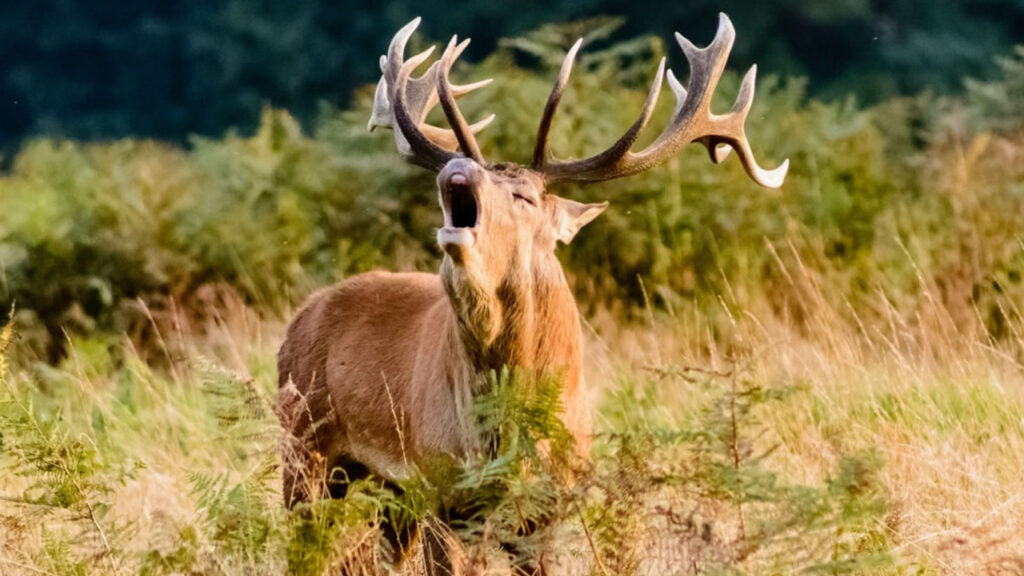
Autumn is arguably the most famous season for Val Trupchun.
The red deer rut transforms the valley into one of the most exciting wildlife-viewing locations in the Swiss National Park.
The National Park specifically notes that Val Trupchun is particularly popular during the rutting season at the end of September.
The landscape also changes visually.
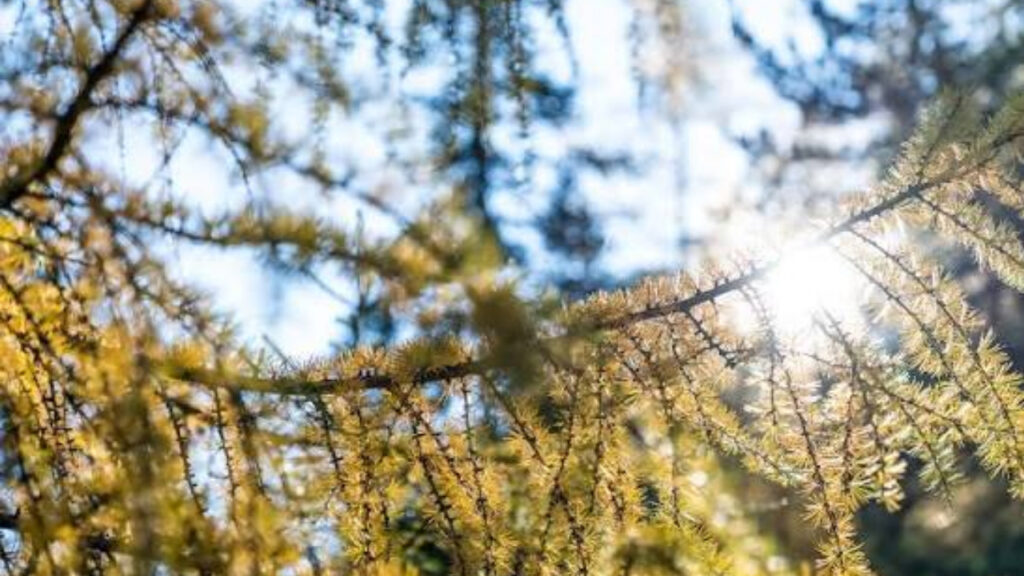
Autumn colors appear across the forests and meadows, while the surrounding mountains can receive their first dusting of snow.
This creates excellent conditions for landscape photography.
However, autumn also brings shorter days and colder weather.
Snow can appear surprisingly early at higher elevations.
The National Park advises visitors to check current trail conditions because opening and closing dates depend on weather and altitude.
Plan a Wildlife Photography Trip
Val Trupchun is an excellent destination for photographers who enjoy wildlife and landscapes.
A telephoto lens can help you photograph animals without approaching them.
This is particularly important in a protected environment.
The goal should never be to get as close as possible to wildlife.
Instead, aim for natural behavior and respectful observation.
A tripod or monopod can be useful for longer lenses, although it may not always be practical on a hiking route.
Binoculars are also extremely useful.
You may spot an animal through binoculars long before it becomes visible to the naked eye.
Landscape photography is equally rewarding.
The valley offers opportunities to photograph forests, meadows, rock formations, streams, mountain peaks, and changing weather.
Try photographing the same location at different times of day.
Morning and evening light can completely change the appearance of the landscape.
Join a Guided Val Trupchun Walk
Visitors who want to learn more about the valley can join a guided excursion.
The Swiss National Park offers guided Val Trupchun walks that focus on wildlife, vegetation, and the natural environment.
The official guided route is approximately 10 kilometers with about 450 meters of ascent and descent and takes around six to seven hours, including a lunch break.
A guide can make a major difference to wildlife observation.
Experienced guides know where animals are often found and can explain what visitors are seeing.
They can also provide information about plants, geology, conservation, and the history of the National Park.
The regular public guided walks are conducted in German, while private guided excursions can be arranged in English.
If you want an English-language experience, check the current private-guided options and availability before your visit.
What Makes Val Trupchun Different?
Many Swiss mountain destinations are famous for dramatic viewpoints, cable cars, restaurants, and developed tourism infrastructure.
Val Trupchun offers something different.
Its main attraction is the natural environment.
The valley is not about reaching one particular viewpoint and taking a photograph.
It is about spending several hours observing the landscape.
You might stop because you see deer on a distant hillside.
You might notice an unusual Alpine flower.
You might spend several minutes watching clouds move across a mountain ridge.
This slower style of travel is especially appealing to visitors who enjoy nature.
The absence of major commercial development is part of the attraction.
Instead of asking what attraction comes next, you can focus on what is happening around you.
How to Reach Val Trupchun
Val Trupchun is accessible from the S-chanf area.
The Swiss National Park recommends public transportation and provides information about reaching the valley by bus and park transport.
Visitors can take the Express Parc Naziunel toward the Varusch hut at the entrance to Val Trupchun or use Engadinbus route 608 to the Prasüras car park and S-chanf Parc Naziunal stop.
This makes it possible to visit without relying entirely on a private vehicle.
The National Park recommends traveling by train and bus where possible because of the environmental benefits.
Transportation schedules can vary seasonally, so check the current timetable before beginning your journey.
If you are hiking a longer route, pay particular attention to the final return connection.
Missing the last bus or park transport can create unnecessary problems in a mountain environment.
Where to Stay Near Val Trupchun
S-chanf, Zuoz, St. Moritz, and other Engadine destinations can provide accommodation for visitors exploring the region.
Zernez is another useful base because it is home to the Swiss National Park Centre and provides access to several areas of the park.
The National Park itself has limited overnight accommodation, including the Cluozza hut and Hotel Parc Naziunal Il Fuorn.
For a Val Trupchun day trip, however, staying outside the park is often the simplest option.
This gives you more flexibility with restaurants, shops, and transportation.
If you are visiting during the autumn deer rut, booking accommodation in advance is particularly sensible because the valley is popular during this period.
Visit the National Park Centre in Zernez
Before heading into the mountains, consider visiting the National Park Centre in Zernez.
It can provide useful information about the park’s natural environment, regulations, hiking routes, and current conditions.
The National Park also offers its hiking app, which can provide information and maps offline.
This is particularly useful because mobile phone coverage is not available throughout the entire park.
Preparing before the hike can help you enjoy the experience more.
You will have a better understanding of where you are going, what wildlife you might see, and which regulations apply.
What to Pack for Val Trupchun
Your equipment should reflect the season and route you choose.
For a typical summer hike, consider bringing:
- Sturdy hiking shoes
- Water
- Snacks or lunch
- Waterproof jacket
- Warm layer
- Sun protection
- Sunglasses
- Hat
- Small first-aid kit
- Phone with offline maps
- Binoculars
- Camera
The Swiss National Park specifically recommends weatherproof clothing, sturdy walking shoes with good grip, and binoculars for guided excursions.
For longer or higher routes, additional equipment may be appropriate.
Always check the forecast before leaving.
Even during summer, temperatures can fall quickly at higher elevations.
Respect the National Park Rules
Because Val Trupchun is part of a highly protected national park, visitors must follow specific regulations.
Stay on marked hiking trails.
Do not pick flowers or remove natural objects.
Do not disturb wildlife.
Do not feed animals.
Do not camp within the park.
Do not light campfires.
Dogs are not permitted inside the Swiss National Park, even on a leash.
These rules are not simply formalities.
They are fundamental to maintaining the natural environment.
The Swiss National Park exists to protect natural processes, so visitors should adapt their behavior accordingly.
The best way to experience the valley is as an observer rather than as someone trying to control the environment.
Is Val Trupchun Suitable for Families?
Val Trupchun can be suitable for families who enjoy walking and nature, but the exact route should be chosen according to the age and experience of the group.
The National Park offers family-oriented activities elsewhere in the park and notes that some guided educational excursions are suitable for children.
For families considering Val Trupchun, the main considerations are walking distance, weather, elevation, and the ability of children to remain on marked trails.
Wildlife observation can also be an engaging activity for children.
Instead of simply walking toward a destination, encourage children to look for animal tracks, birds, plants, insects, and changes in the landscape.
This can turn a hike into an outdoor learning experience.
Tips for Wildlife Watching
Wildlife watching requires patience.
Do not expect animals to appear simply because you are visiting a famous wildlife area.
Move quietly.
Avoid loud conversations when approaching areas where animals may be present.
Use binoculars rather than walking closer.
Stay on the trail.
If you see wildlife, give it plenty of space.
A good wildlife experience is one where the animal continues behaving naturally.
The National Park’s guides can be particularly helpful because they know how to interpret animal behavior and locate wildlife without unnecessarily disturbing it.
For independent visitors, learning a little about local species before the trip can make the experience much more rewarding.
Photography Tips for Val Trupchun
You do not need professional equipment to photograph the valley.
A modern smartphone can capture excellent landscapes in good light.
For wildlife, however, binoculars or a camera with a longer lens can be useful.
Try to photograph the environment as well as individual animals.
A deer standing against a mountain landscape can communicate more about the experience than a close-up portrait.
Consider using natural elements such as trees, rocks, or mountain ridges to frame your photographs.
Early and late light can add depth to the landscape.
Clouds can also make mountain scenes more dramatic.
Most importantly, do not let photography distract you from the experience.
Sometimes the best memory is simply watching an animal move naturally through the landscape.
Best Time to Visit Val Trupchun
The best time depends on what you want to experience.
For flowers, hiking, and generally accessible trails, July and August are excellent choices. The National Park identifies these months as an ideal summer period.
For red deer and autumn scenery, late September and early October are particularly attractive.
The National Park’s current 2026 guided excursion schedule includes additional Val Trupchun dates during the red deer rut period in September and October.
However, autumn weather can be unpredictable.
Higher routes may experience snow earlier in the season, and daylight hours become shorter.
Always check current conditions rather than relying solely on historical seasonal information.
How Long Should You Spend in Val Trupchun?
A half-day can provide a taste of the valley, but a full day is much better.
The official Alp Trupchun route is listed at around four hours, while the guided Val Trupchun excursion takes six to seven hours including breaks and observation time.
A full day allows you to walk at a relaxed pace and stop whenever you notice interesting wildlife or scenery.
If you are particularly interested in photography or animals, do not plan your schedule too tightly.
Wildlife does not follow an itinerary.
Allowing extra time can make the difference between rushing through the valley and actually experiencing it.
A Perfect Day in Val Trupchun
Start your morning early and travel toward S-chanf.
From the appropriate access point, begin walking into the valley.
Take your time during the first section of the trail.
Look toward forest edges and open slopes for wildlife.
As you move deeper into the valley, the surrounding mountains become increasingly impressive.
Stop periodically to observe the landscape through binoculars.
If you are visiting during autumn, listen carefully for red deer.
Take a lunch break somewhere appropriate and continue exploring before beginning your return.
If you are using public transportation, make sure you leave enough time to reach your departure point.
Mountain walks often take longer than expected because of photographs, wildlife observations, and breaks.
A relaxed schedule is much better than trying to finish a route at the last possible moment.
Three Reasons Nature Lovers Will Love It
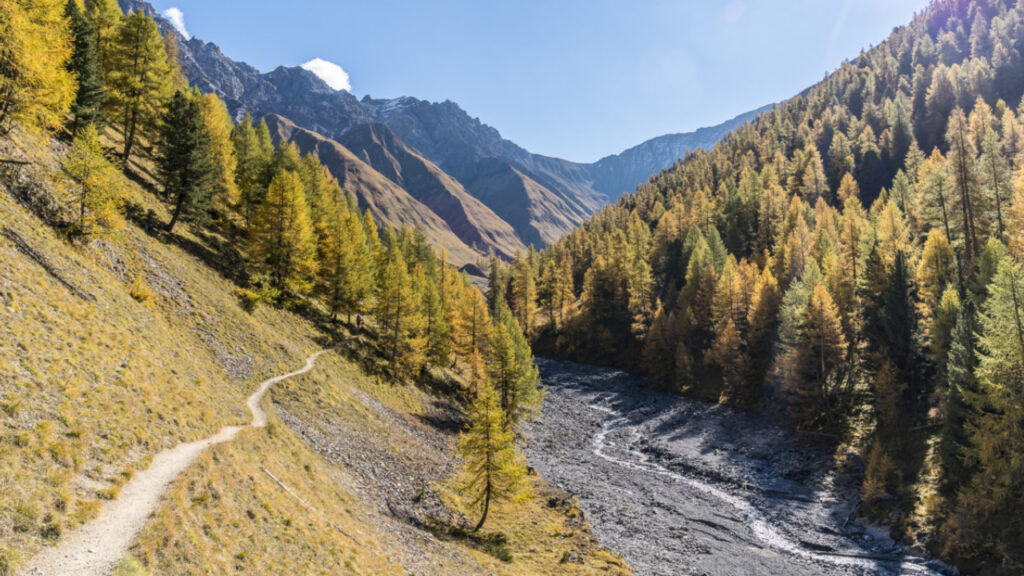
There are three especially strong reasons to include Val Trupchun on a Switzerland trip.
First, the wildlife.
Red deer, ibex, chamois, and marmots make the valley especially appealing to nature enthusiasts.
Second, the scenery.
The combination of forests, meadows, rock formations, and surrounding mountains creates a remarkably varied landscape.
Third, the protected environment.
The Swiss National Park’s strict conservation approach allows visitors to experience an Alpine landscape where natural processes are given priority.
Together, these qualities create an experience that feels more immersive than a conventional sightseeing stop.
Is Val Trupchun Worth Visiting?
Val Trupchun is absolutely worth visiting if you enjoy nature, wildlife, and hiking.
It may not have the commercial attractions associated with some of Switzerland’s most famous destinations, but that is precisely why it stands out.
The valley offers something increasingly valuable: space to slow down and observe.
You can walk beneath Alpine peaks, watch wildlife on distant slopes, study flowers in mountain meadows, and experience the landscape without the distractions of a heavily developed resort.
The experience is particularly memorable in autumn when red deer become the focus of attention.
However, summer offers its own rewards through long hiking days, flowering plants, and comfortable conditions on many trails.
The key is to choose your timing according to your interests.
Final Thoughts
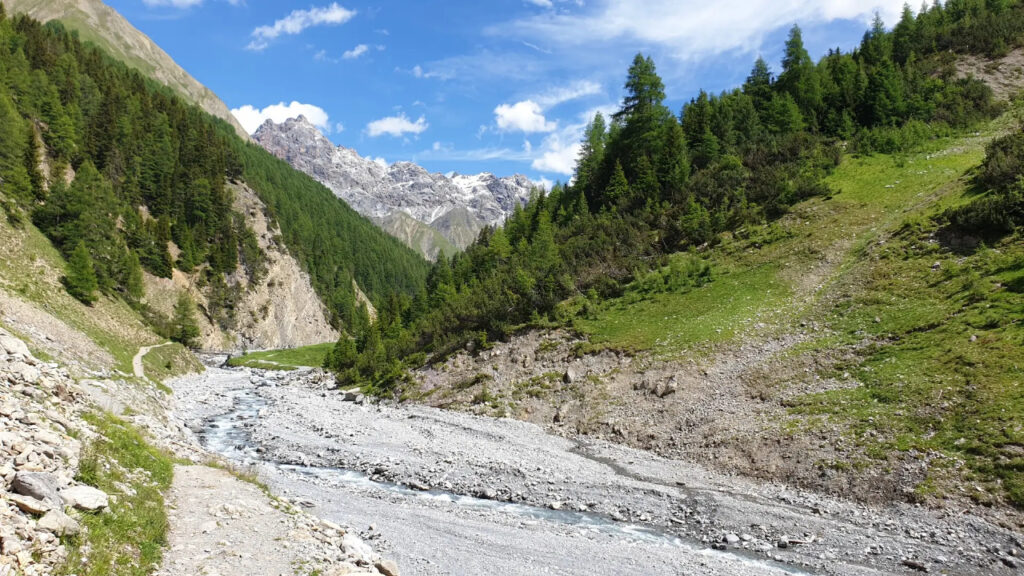
Val Trupchun is one of the most fascinating natural destinations in the Swiss National Park.
Its appeal comes from the combination of wildlife, scenery, geology, vegetation, and conservation.
For hikers, the valley provides rewarding routes through an impressive Alpine environment.
For photographers, it offers opportunities to capture both wildlife and dramatic landscapes.
For families, it can provide an engaging introduction to Alpine nature when an appropriate route is selected.
For wildlife enthusiasts, the chance to observe red deer, ibex, chamois, and marmots makes the journey especially memorable.
Most importantly, the valley demonstrates what protected nature can look like when natural processes are allowed to continue.
There are no guarantees that you will see a particular animal or experience perfect weather.
That uncertainty is part of the attraction.
The mountains, forests, wildlife, and changing weather create an experience that cannot be completely planned.
If you are preparing a Switzerland itinerary and want to explore beyond the country’s busiest mountain destinations, Val Trupchun deserves serious consideration.
Plan carefully, check current trail conditions, respect the National Park’s regulations, and give yourself enough time to slow down.
The result can be one of the most rewarding nature experiences of your Swiss adventure.