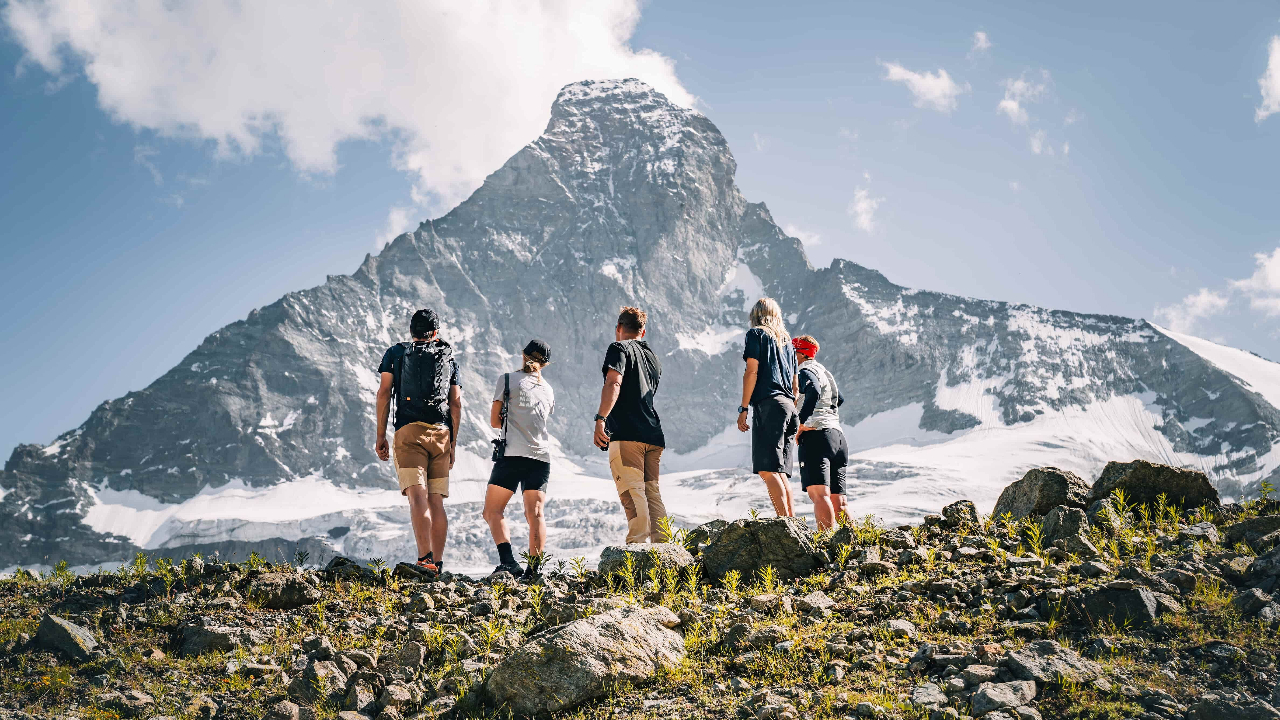
Zermatt Matterhorn Trails offer some of the most spectacular hiking experiences in the Swiss Alps. Set beneath the instantly recognizable Matterhorn, Zermatt combines dramatic mountain scenery, high-altitude landscapes, alpine lakes, glaciers, traditional mountain villages, and an extensive network of hiking paths.
For travelers who want to experience Switzerland beyond sightseeing from a train or viewpoint, hiking around Zermatt provides an opportunity to get much closer to the landscape. Some routes are relatively gentle and suitable for a relaxed day outdoors, while others involve greater elevation, longer distances, and more demanding mountain terrain.
The great thing about Zermatt Matterhorn Trails is the variety. You do not need to be an experienced mountaineer to enjoy the Matterhorn region. There are panoramic paths, lake trails, forest walks, alpine routes, and challenging mountain hikes, allowing visitors to choose an experience that matches their abilities and interests.
Zermatt Matterhorn Trails official tourism network currently lists dozens of hiking routes around the destination, ranging from easy walks to demanding mountain trails.
Whether you are visiting for a weekend or planning a longer Swiss Alps adventure, Zermatt Matterhorn Trails can become one of the highlights of your trip.
Why Zermatt Matterhorn Trails Are So Special

Few mountain destinations have scenery as recognizable as Zermatt.
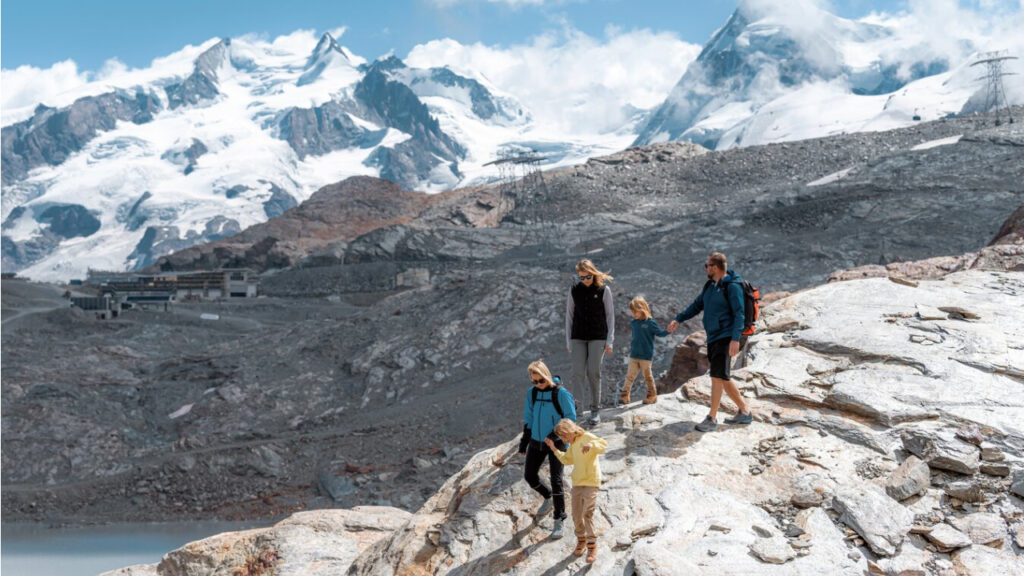
The Matterhorn rises dramatically above the surrounding landscape, creating a spectacular backdrop for hiking routes throughout the region. Depending on the trail, you may see the mountain from different angles, along with glaciers, alpine meadows, forests, rocky peaks, and mountain lakes.
Zermatt Matterhorn Trails is also surrounded by an extraordinary collection of high peaks. The destination is known for access to 38 mountains above 4,000 meters, giving hikers an impressive panorama throughout the region.
The scenery changes constantly as you move between elevations.
A trail might begin among larch forests before opening onto alpine meadows. Higher sections can reveal rocky slopes and glaciers, while mountain lakes provide some of the most memorable viewpoints.
This variety is one of the biggest reasons hikers return to Zermatt.
Best Time to Explore Zermatt Matterhorn Trails
The best season for hiking depends on the specific route, elevation, weather, and current trail conditions.
Summer is generally the most popular period for hiking because many higher-altitude routes become more accessible as snow conditions improve. The official Zermatt tourism website provides current trail information, weather information, webcams, and a live panoramic map that can help visitors plan their activities.
Late spring and early summer can bring beautiful landscapes, but higher trails may still have snow.
Mid-summer often provides excellent conditions for many established hiking routes, although popular paths can be busy.
Early autumn can also be particularly attractive because alpine landscapes take on different colors and the atmosphere can become quieter.
Weather in the mountains can change quickly, however, so hikers should check current conditions before setting out rather than relying solely on seasonal expectations.
The Famous Zermatt Matterhorn Trails 5 Lakes Trail
The 5 Lakes Trail is one of the most popular Zermatt Matterhorn Trails for travelers who want dramatic scenery without undertaking a highly demanding mountain route.
The official route begins at Blauherd and finishes at Sunnegga. It covers approximately 11.3 kilometers, with around 265 meters of ascent and 542 meters of descent. The official estimated hiking time is about three and a half hours.
The route passes five alpine lakes:
- Stellisee
- Grindjisee
- Grünsee
- Moosjisee
- Leisee
One of the major attractions is the Matterhorn reflection visible in three of the lakes under suitable conditions.
Each lake has a different atmosphere and landscape.
Stellisee is particularly famous for Matterhorn photography. Grindjisee is surrounded by alpine vegetation, while Grünsee offers a more rugged landscape. Moosjisee and Leisee add further variety to the route.
The trail is officially classified as moderate, making it a popular choice for visitors who want a substantial hiking experience without tackling one of the region’s most demanding mountain routes.
Matterhorn Trail from Schwarzsee to Furi
The Matterhorn Trail is another excellent option for experiencing the mountain at close range.
This route begins at Schwarzsee at approximately 2,583 meters and descends toward Furi at approximately 1,867 meters. The trail covers about 7.4 kilometers and has an estimated hiking time of two hours in the official route description.
The route passes through alpine landscapes and offers repeated views of the Matterhorn.
Along the way, hikers may encounter alpine meadows, rocky terrain, mountain flora, and wildlife. The official trail information notes possible sightings of animals such as marmots and chamois.
Because the route is predominantly downhill, it can feel different from a traditional climb. However, downhill hiking can still be demanding on the legs, particularly for people who are not accustomed to mountain terrain.
The route is officially classified as moderate.
Matterhorn Glacier Trail
For travelers fascinated by glaciers and the effects of climate change, the Matterhorn Glacier Trail provides a very different experience.
The route travels through the landscape between rock and ice and offers opportunities to observe the environment shaped by retreating glaciers.
The official trail is approximately 6.6 kilometers long, with about 174 meters of ascent and 515 meters of descent. The estimated hiking time is around two hours, and the route reaches a maximum elevation of approximately 2,928 meters.
One of the most interesting aspects of this route is that it does not simply showcase beautiful scenery. It also explains how glaciers have changed the surrounding landscape.
The trail provides an opportunity to see evidence of glacier retreat and understand how changing conditions affect plants, animals, and the terrain.
For visitors interested in both hiking and environmental education, this can be one of the most rewarding experiences in Zermatt.
Gornergrat and the Surrounding Trails
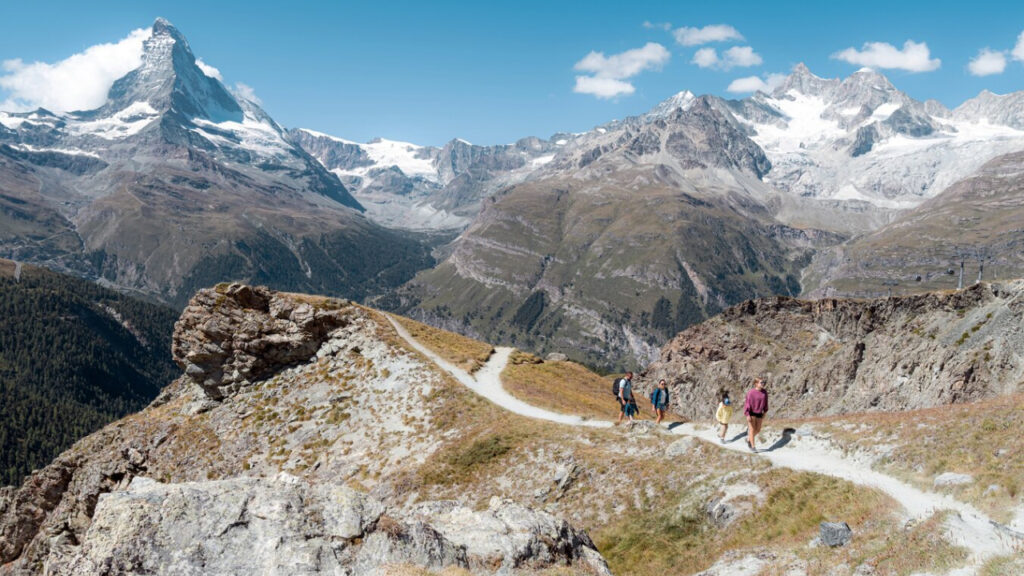
Gornergrat is one of the most famous viewpoints near Zermatt.
The destination can be reached by mountain railway and provides panoramic views of numerous high peaks. The official Zermatt tourism site highlights the Gornergrat as a major viewpoint with views toward 29 peaks above 4,000 meters.
For hikers, the area provides access to shorter walks as well as longer routes.
One example listed by Zermatt is the 360° Loop Gornergrat, a short circular route that takes approximately 20 minutes and covers around 0.5 kilometers.
This makes the area useful for visitors who want mountain scenery without committing to several hours of hiking.
You can combine a mountain railway journey with a short walk, making Gornergrat particularly appealing for families and travelers with limited time.
Panorama Routes Around Zermatt
Not every memorable hiking experience needs to involve a long or difficult trek.
Zermatt offers several panoramic paths where the scenery is the main attraction.
These routes can be ideal for travelers who want to enjoy:
- Mountain views
- Alpine forests
- Meadows
- Traditional landscapes
- Photography opportunities
Panoramic trails also provide flexibility. If weather changes or you become tired, you may be able to shorten your day more easily than on a remote high-altitude route.
Zermatt’s official hiking directory allows visitors to filter routes by distance, duration, difficulty, and other characteristics.
This is useful when planning a hiking day around your personal fitness level and schedule.
Hiking Through Alpine Lakes and Meadows
One of the most appealing aspects of Zermatt Matterhorn Trails is the combination of landscapes.
A single route can take you through forests, open meadows, rocky sections, and high-altitude terrain.
During warmer months, alpine flowers add color to the landscape.
The scenery also changes depending on elevation. Lower sections can feel more sheltered, while higher paths provide broader views across the mountain valleys.
This variety means that even relatively short hikes can feel surprisingly adventurous.
For photographers, the changing scenery creates countless opportunities to capture the Matterhorn from different perspectives.
Zermatt Hiking for Families
Zermatt can also be a good destination for families who want to introduce children to mountain hiking.
The 5 Lakes Route, for example, is officially noted as suitable for children from age six, although families should still consider current conditions, individual abilities, and the needs of their group.
Leisee also provides family-oriented facilities, including a children’s playground and picnic areas. The official trail information also notes swimming opportunities at Leisee and Grünsee.
Shorter trails can be a better choice for younger hikers because they provide scenery without requiring an entire day on the mountain.
The key is to select a route based on the whole group’s abilities rather than choosing solely because a trail looks impressive online.
Zermatt Matterhorn Trails for Photography
Zermatt is a dream destination for mountain photography.
The Matterhorn’s distinctive shape makes it one of the most recognizable peaks in the world, but the best photographs often come from seeing it in changing conditions.
Early morning can produce soft light and reflections on mountain lakes.
Later in the day, clouds can create dramatic contrasts around the peaks.
For photographers, useful subjects include:
- Matterhorn reflections
- Alpine lakes
- Mountain villages
- Glaciers
- Wildflowers
- Forest paths
- Mountain peaks
The Zermatt Matterhorn Trails 5 Lakes Trail is particularly popular for photography because several lakes provide opportunities for Matterhorn reflections.
What to Expect from Mountain Conditions
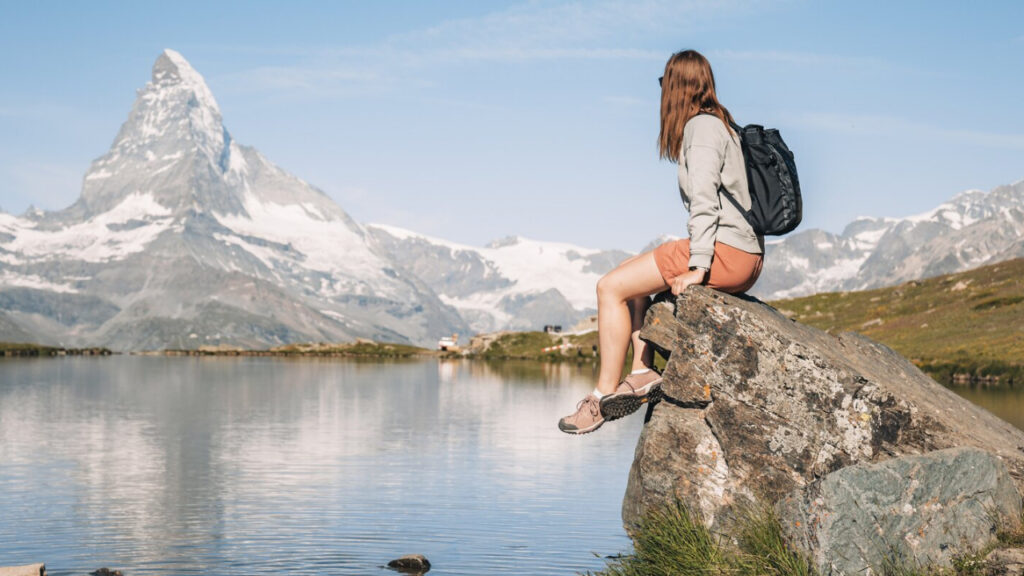
Mountain hiking is different from walking in a city or lowland park.
Even an established trail can become more challenging because of:
- Rapid weather changes
- Uneven ground
- Steep sections
- Loose rocks
- Snow or ice
- High elevation
The official Zermatt trail information recommends appropriate footwear, weather protection, and, where useful, hiking poles. It also advises hikers to carry enough water and provisions and to adapt plans to weather and personal conditions.
Before starting a hike, check the current trail status and weather.
If conditions deteriorate, changing your plans is a sensible part of mountain travel.
How to Prepare for Zermatt Matterhorn Trails
Preparation does not need to be complicated, but it is important for the Zermatt Matterhorn Trails.
Start by choosing a route that matches your experience and fitness level.
Check:
- Distance
- Elevation
- Estimated duration
- Weather
- Trail conditions
- Transportation connections
Wear comfortable hiking footwear with good grip.
Carry water and appropriate food for the length of your hike. Weather-appropriate layers are also important because temperatures can vary considerably between the village and higher elevations.
A rain jacket is useful even when the weather forecast looks favorable.
Getting Around Zermatt
Zermatt has a distinctive transportation system because the village is car-free. The official tourism website describes Zermatt as focusing on sustainable mobility, with visitors commonly arriving by train and continuing from Täsch by shuttle train or taxi.
Mountain railways and lifts also make many higher hiking areas accessible without requiring hikers to climb from the valley floor.
This allows travelers to choose between:
- Starting in Zermatt
- Taking a mountain railway partway up
- Hiking between mountain stations
- Combining transportation with walking
For visitors with limited time, this can make it possible to experience spectacular high-altitude scenery without committing to a full-day ascent.
A Sample Zermatt Hiking Day
A simple hiking day could begin with an early breakfast in Zermatt before traveling to a higher starting point.
For example, hikers interested in the 5 Lakes Route can travel toward Blauherd and begin the route there, eventually finishing at Sunnegga. The official route details list the five lakes and provide an estimated duration of around three and a half hours.
After completing the hike, you can return to Zermatt and spend the afternoon exploring the village.
Another option is to visit Gornergrat and combine the viewpoint with a shorter walk.
The advantage of building your day around one main trail is that you have enough time to stop for photographs, enjoy the scenery, and take breaks rather than rushing from one attraction to another.
Responsible Hiking in Zermatt
Beautiful mountain landscapes require responsible tourism.
When hiking around Zermatt:
- Stay on marked trails.
- Avoid disturbing wildlife.
- Do not pick alpine flowers.
- Carry your rubbish with you.
- Respect other hikers.
- Follow local signs.
- Pay attention to warnings.
The official Zermatt Matterhorn Trails guidance specifically asks visitors to remain on marked paths, respect plants and animals, and avoid entering glaciers without a mountain guide.
Responsible hiking helps preserve the landscape for future generations.
Zermatt Matterhorn Trails vs Matterhorn Climbing
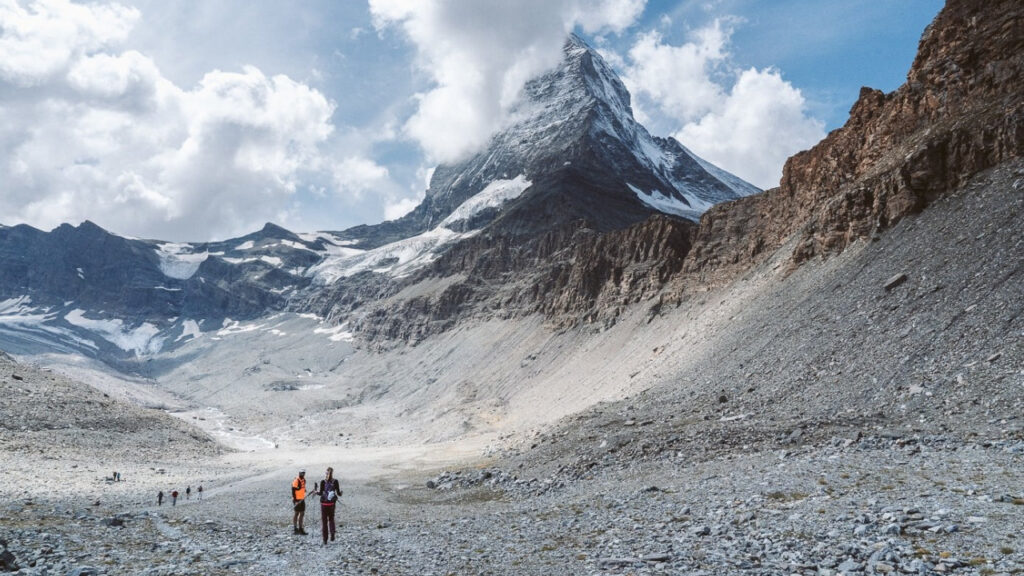
It is important to understand that hiking around the Matterhorn is completely different from climbing the Matterhorn itself.
Many visitors come to Zermatt specifically to see the mountain without attempting an ascent.
The Matterhorn is 4,478 meters high, and climbing it is a serious alpine undertaking requiring appropriate experience, fitness, acclimatization, equipment, and professional guidance.
For most travelers, the surrounding hiking trails provide an excellent way to appreciate the mountain without taking on a technical mountaineering objective.
There is no need to climb the Matterhorn to experience its beauty.
Best Trails for Different Types of Travelers
Different Zermatt Matterhorn Trails suit different interests.
For first-time visitors
The Zermatt Matterhorn Trails 5 Lakes Route is an excellent introduction because it combines several lakes with Matterhorn views and varied scenery.
For photographers
The Zermatt Matterhorn Trails 5 Lakes Route is especially attractive because of its reflection opportunities.
For glacier enthusiasts
The Matterhorn Glacier Trail provides a closer look at glacier landscapes and their changing environment.
For shorter walks
Gornergrat offers short walking opportunities combined with spectacular panoramic views.
For a classic Matterhorn experience
The Matterhorn Trail from Schwarzsee toward Furi provides dramatic mountain scenery and a closer perspective of the peak.
Why Zermatt Is Worth Adding to a Switzerland Itinerary
Switzerland has no shortage of beautiful destinations, but Zermatt stands apart because of the combination of scenery and accessibility.
Visitors can experience:
- High Alpine landscapes
- Iconic mountain views
- Scenic railway journeys
- Alpine lakes
- Glacier environments
- Traditional village scenery
- A huge variety of hiking routes
The region works equally well for a short visit and a longer mountain holiday.
You can spend one day enjoying panoramic viewpoints and another exploring a longer trail.
That flexibility makes Zermatt particularly attractive for travelers with different interests and fitness levels.
Final Thoughts on Zermatt Matterhorn Trails
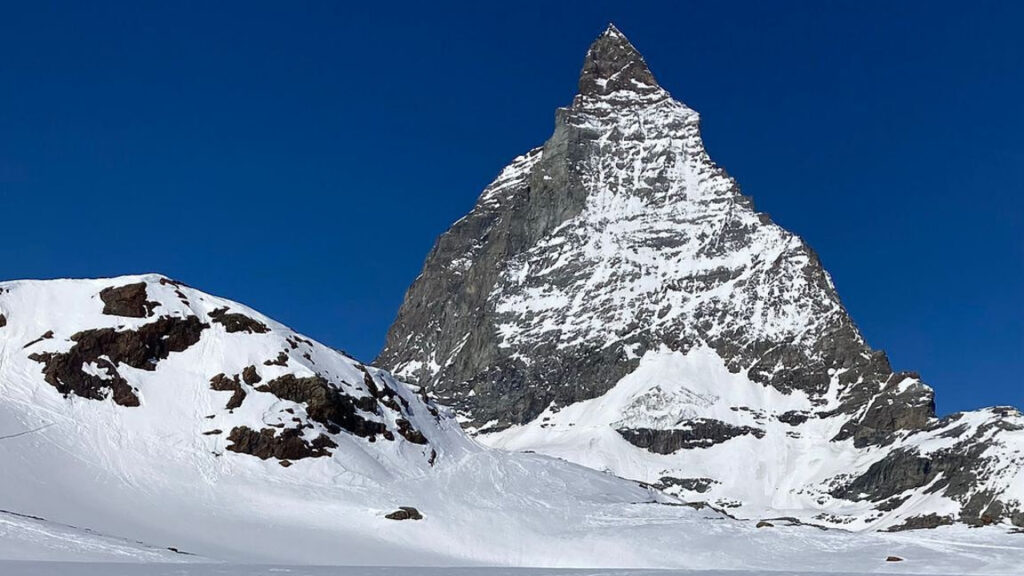
Zermatt Matterhorn Trails offer an unforgettable way to experience one of Switzerland’s most famous mountain regions. From the reflective lakes of the 5 Lakes Route to the glacier landscapes of the Matterhorn Glacier Trail and the dramatic descent from Schwarzsee to Furi, the region provides an impressive variety of outdoor experiences.
You do not need to be an expert mountaineer to enjoy Zermatt Matterhorn Trails. There are accessible routes, panoramic walks, family-friendly options, and more demanding mountain hikes, allowing visitors to choose an adventure that fits their abilities.
The most important part of planning is to respect the mountains. Check weather and trail conditions, choose an appropriate route, carry suitable equipment, and be willing to adjust your plans when conditions change.
Whether you visit for the photographs, the alpine scenery, the peaceful mountain lakes, or simply the chance to see the Matterhorn from a new perspective, Zermatt Matterhorn Trails offers an extraordinary hiking experience.
For anyone planning a Switzerland adventure, Zermatt Matterhorn Trails deserve a place near the top of the itinerary.