Pizol is one of Switzerland’s most rewarding mountain destinations for travelers who want dramatic Alpine scenery without limiting their trip to a single viewpoint. Located between Bad Ragaz and Wangs in the canton of St. Gallen, this spectacular mountain area combines high-altitude lakes, panoramic hiking trails, rugged peaks, green meadows, forests, mountain railways, and sweeping views across northeastern Switzerland.
Rising to 2,844 meters, Pizol stands at the entrance to the St. Gallen Rhine Valley and offers remarkable views toward the Rhine Valley, the Glarus and Graubünden Alps, and, in suitable conditions, as far as Lake Constance. Switzerland Tourism describes the destination as a hiking and skiing region with extensive panoramic views and a wide variety of activities.
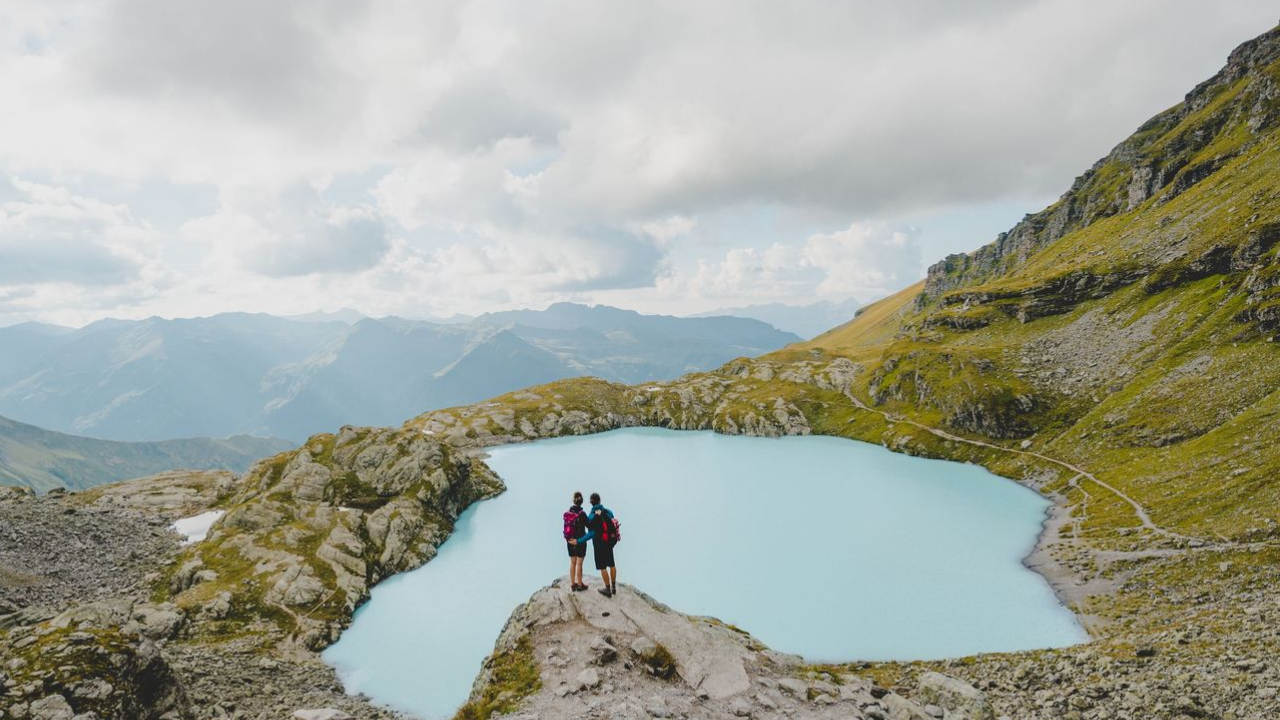
For many visitors, the biggest attraction is the famous Five Lakes Hike. This classic mountain route passes five crystal-clear Alpine lakes, each with its own appearance and atmosphere. Along the way, hikers encounter views of the Pizol landscape, the surrounding mountains, the Rhine Valley, and the UNESCO World Heritage Tectonic Arena Sardona.
However, there is much more to discover beyond the Five Lakes Hike.
The mountain area provides opportunities for scenic walks, family-friendly activities, panoramic viewpoints, mountain-cart adventures, winter sports, and peaceful days surrounded by nature. Because mountain transportation connects the valley with higher elevations, travelers can also experience the landscape without completing a long ascent from the valley floor.
Whether you are planning a hiking holiday, a family trip, a photography adventure, or a relaxing escape into the Swiss Alps, Pizol offers a memorable combination of accessibility and spectacular scenery.
Why Visit Pizol?
Pizol deserves attention because it offers many of the experiences travelers associate with the Swiss Alps in one relatively compact destination.
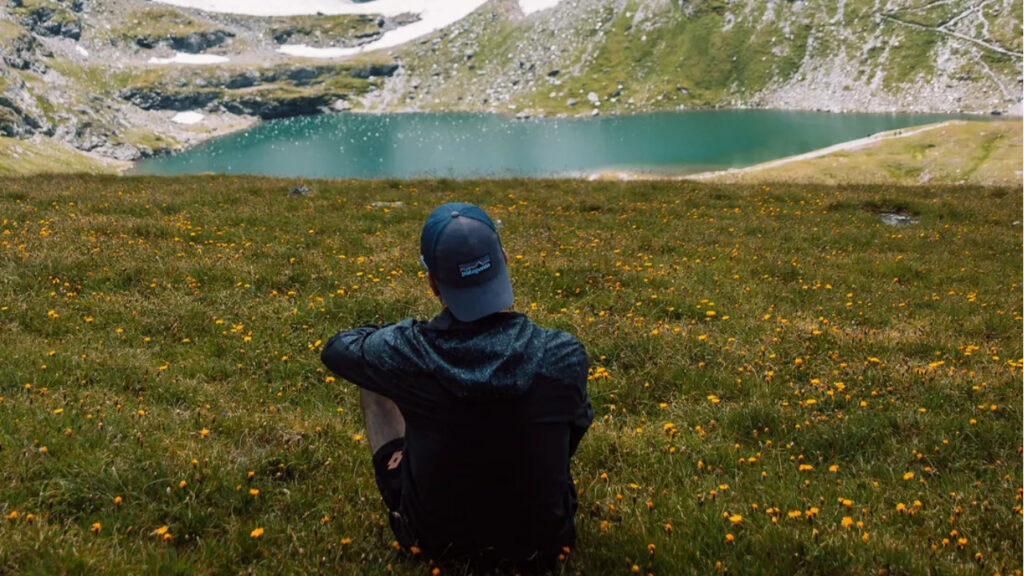
The landscape changes dramatically as you travel upward from Bad Ragaz or Wangs. The lower slopes are surrounded by forests and Alpine vegetation, while higher elevations reveal open mountain terrain, rocky paths, panoramic ridges, and clear mountain lakes.
The destination is particularly attractive for hikers.
The official Pizol website states that during summer, five mountain transport facilities provide access to more than 120 kilometers of mountain and Alpine hiking trails.
That extensive trail network means visitors can choose an experience that matches their interests and abilities.
You might want to spend a few hours walking through the mountains, complete the famous Five Lakes Hike, explore a family trail, or simply ride the mountain railway and enjoy the views.
Another advantage is the variety of scenery.
Many Alpine destinations are famous for one particular attraction, but Pizol combines lakes, peaks, forests, valleys, and panoramic viewpoints.
The result is a destination where every section of a hiking route can feel different.
Discover the Famous Five Lakes Hike
The Five Lakes Hike is the signature experience of Pizol.
The trail connects five mountain lakes known as Wangsersee, Wildsee, Schottensee, Schwarzsee, and Baschalvasee.
Each lake has a different appearance, and the changing colors of the water are one of the reasons the route has become so popular.
The official Pizol information currently lists the route at approximately 11.4 kilometers, with around 553 meters of ascent and 911 meters of descent, and an estimated hiking time of approximately four and a half hours. It is classified as a medium-difficulty hike.
Switzerland Tourism describes the Five Lakes Hike as a classic mountain walk, with five clear mountain lakes and extensive views across the Alps of Eastern Switzerland.
The route begins high above the valley after using mountain transportation to reach the Pizolhütte area.
From there, the trail moves through open Alpine terrain.
The first lake is Wangsersee, followed by Wildsee, Schottensee, Schwarzsee, and finally Baschalvasee.
The landscape changes continuously as the trail rises and falls between the lakes.
This is one of the most appealing aspects of the hike.
You are not simply walking toward one destination. The entire route becomes a sequence of viewpoints and natural highlights.
See Wangsersee
Wangsersee is the first lake encountered on the classic Five Lakes route.
Located near the Pizolhütte area, it provides an immediate introduction to the high-Alpine environment.
The lake is surrounded by open mountain terrain, creating a peaceful setting before the trail continues toward the higher sections.
For many hikers, Wangsersee is also a useful place to pause and prepare for the rest of the route.
The scenery here already gives you a sense of what lies ahead.
The mountains become increasingly dramatic, and the open landscape provides broad views in multiple directions.
Photographers can use the lake as a foreground while capturing the surrounding peaks.
On clear days, the combination of blue sky, mountain terrain, and reflective water can create beautiful compositions.
Because this is the beginning of the main hiking experience, it can be tempting to move on quickly.
However, taking a few minutes to appreciate the surroundings is worthwhile.
The character of the landscape changes considerably between the first and final lakes.
Admire the Turquoise Wildsee
Wildsee is one of the most visually striking lakes on the route.
The official Pizol website describes Wildsee as a striking turquoise-colored lake with views toward the Pizol glacier and summit in the background.
The combination of turquoise water, rocky terrain, and the surrounding mountains makes this one of the most photographed sections of the hike.
The lake sits near Wildseeluggen, a high mountain pass that provides another excellent viewpoint.
From this area, you can appreciate the scale of the surrounding mountains and see how the landscape changes with elevation.
Wildsee is also a reminder that Alpine lakes are influenced by their geological surroundings.
The color of the water can vary depending on sunlight, weather, sediment, and seasonal conditions.
This means that the same lake can look completely different on two separate visits.
On a sunny day, the turquoise color may be particularly vivid.
Under cloudier conditions, the landscape can take on a more dramatic and subdued appearance.
Both can be beautiful in their own way.
Continue Toward Schottensee
After Wildsee, the Five Lakes Hike continues toward Schottensee.
This section of the trail provides another change of scenery.
The route moves through rocky Alpine terrain while opening up broad views toward the surrounding mountains.
Schottensee is known for its bright appearance and provides another excellent opportunity to stop and appreciate the landscape.
One of the most enjoyable things about the Five Lakes Hike is that each lake feels like a separate destination.
You do not simply see the same landscape repeatedly.
The shape of the surrounding terrain changes, the colors of the lakes differ, and the viewpoints reveal new sections of the Alps.
The route also provides views toward the Tectonic Arena Sardona, a UNESCO World Heritage site known for its important geological features. Switzerland Tourism specifically highlights views of the Sardona World Heritage landscape along the Five Lakes route.
This adds an educational dimension to the hike.
You are not only experiencing beautiful scenery but also walking through a landscape that helps explain the geological history of the Alps.
Stop at Schwarzsee
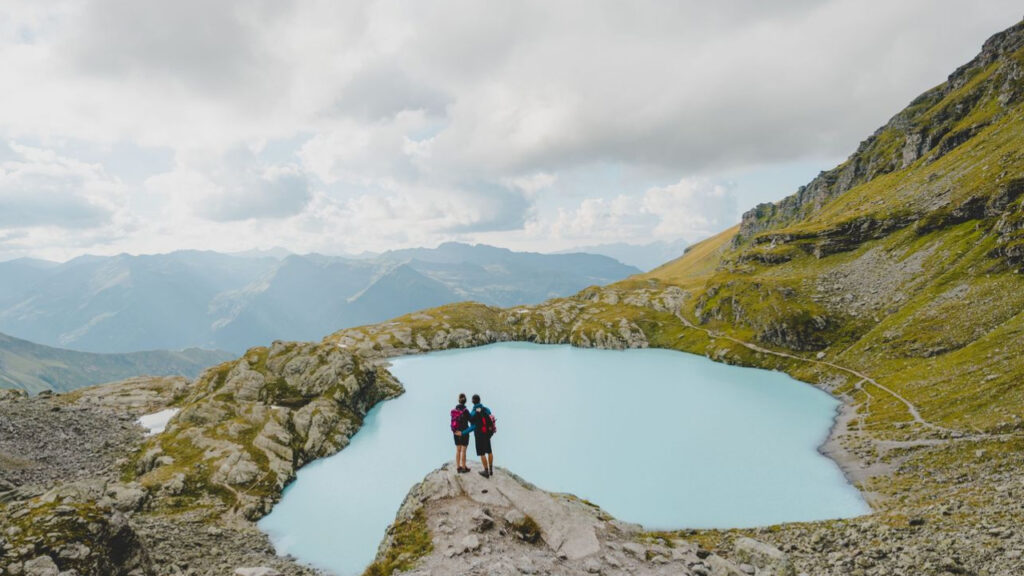
Schwarzsee is the fourth lake along the classic route.
Compared with some of the brighter turquoise lakes, Schwarzsee has a darker appearance.
Its color and surrounding landscape create a different mood from the earlier sections of the hike.
Switzerland Tourism notes that the area around Schwarzsee can provide opportunities to see Alpine wildlife such as ibex, chamois, and eagles.
Wildlife sightings are never guaranteed, but the possibility adds another reason to slow down and pay attention to the environment.
Rather than focusing entirely on reaching the next destination, hikers can look toward the surrounding slopes and cliffs.
Mountain landscapes often reveal more when you take your time.
Birds may appear overhead, animals can sometimes be spotted on distant slopes, and changing light can transform the appearance of the mountains.
This is one of the reasons hiking is such a rewarding way to experience the region.
Finish at Baschalvasee
Baschalvasee is the fifth and final lake of the classic route.
The official Pizol website describes it as a greenish and atmospheric mountain lake surrounded by the high-Alpine landscape.
Reaching the final lake provides a satisfying conclusion to the sequence.
After passing several different lakes and mountain environments, the landscape opens into another distinctive view.
From Baschalvasee, hikers continue toward the Gaffia area.
The mountain railway can then be used to return toward the valley.
The final section of the hike can be just as scenic as the earlier parts.
Instead of ending immediately at the lake, take time to appreciate the surrounding peaks and the route behind you.
You have traveled through a changing Alpine landscape, and looking back can provide a completely different perspective.
Enjoy Panoramic Views Across Eastern Switzerland
One of the biggest strengths of Pizol is its panoramic setting.
From higher elevations, visitors can look across the Rhine Valley toward surrounding mountain ranges.
Switzerland Tourism notes that the mountain offers broad views over the St. Gallen Rhine Valley extending toward Lake Constance.
These views make the destination especially attractive to photographers.
The landscape contains several layers.
The immediate foreground may consist of rocks or Alpine grass.
Farther away, valleys and forests spread across the landscape.
Beyond them, mountain ranges rise toward the horizon.
On a clear day, the visibility can be impressive.
Weather plays a major role, however.
Clouds can obscure distant mountains, while changing weather can create dramatic shadows and highlights across the valleys.
This is why spending several hours in the mountains can be more rewarding than visiting for only a quick photograph.
The landscape is constantly changing.
Explore the Pizol Summit
The summit of Pizol reaches 2,844 meters and is one of the defining landmarks of the region.
The summit environment is significantly more rugged than the lower hiking areas.
Experienced hikers and mountaineers may be interested in routes toward the summit, while casual visitors can appreciate the mountain from surrounding viewpoints.
Switzerland Tourism notes that alpinists can pursue the Pizol summit as one of the more adventurous experiences in the region.
If you are considering a summit route, preparation is particularly important.
High-altitude terrain can include steep, rocky, or exposed sections, and conditions can change quickly.
The route should be chosen according to your experience, equipment, current weather, and official trail information.
There is no need to reach the summit to have a memorable mountain experience.
Many visitors will get more enjoyment from the panoramic trails and lakes.
The best mountain itinerary is one that matches your abilities rather than one that simply aims for the highest possible point.
Ride the Pizol Mountain Railway
The mountain railway system is an important part of the Pizol experience.
Gondolas and chairlifts connect the valley with higher elevations, allowing visitors to reach the hiking area without walking the entire distance from the valley.
Switzerland Tourism states that two gondola railways travel upward from Bad Ragaz or Wangs, with chairlifts continuing toward the Pizol ridge.
This transportation network makes the region accessible to different types of travelers.
A visitor who does not want to complete a long uphill climb can still reach spectacular mountain viewpoints.
Hikers can save energy for the trails themselves.
Families can use the transportation system to create shorter outings.
Photographers can reach high viewpoints without carrying equipment through a long ascent.
The railway journey is also scenic in its own right.
As the gondola rises, the valley gradually opens beneath you.
Forests give way to mountain meadows, and distant peaks become increasingly visible.
The transition is part of the adventure.
Start Your Adventure from Wangs
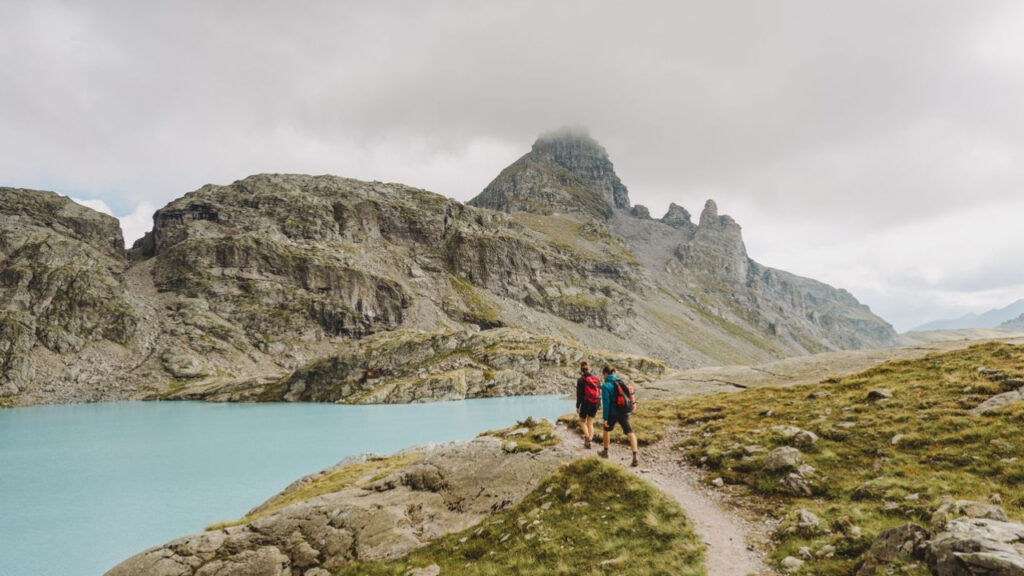
Wangs is one of the main access points for exploring Pizol.
The valley station provides a convenient starting point for travelers heading toward the Five Lakes Hike and other mountain activities.
The official Pizol site currently states that the 2026 summer season has all five summer lifts operating daily through October 18, 2026, while also warning that some snow remains on the highest trails and recommending sturdy footwear.
This illustrates why checking current mountain conditions is essential.
Even during summer, high-altitude trails can retain snow.
Trail conditions can change quickly depending on temperature, recent snowfall, rain, and other weather factors.
Before beginning a hike, check the official mountain report and transportation schedule.
It is also sensible to allow enough time to complete your route before the final descent.
The official Five Lakes Hike information currently recommends starting from the valley station by 11:00 a.m. at the latest and notes specific final-lift times.
Following these recommendations can help prevent an otherwise enjoyable day from becoming unnecessarily stressful.
Discover Bad Ragaz
Bad Ragaz is another useful gateway to the Pizol area.
The town is known for its wellness tradition and provides a convenient base for combining mountain activities with relaxation.
Switzerland Tourism lists the Tamina Therme thermal baths among the highlights associated with the region.
This combination can work particularly well for travelers who want both outdoor adventure and downtime.
You could spend the morning exploring mountain trails and the afternoon relaxing in Bad Ragaz.
The contrast between high-Alpine landscapes and the comfort of the town creates a balanced itinerary.
Bad Ragaz can also be convenient for travelers who prefer staying at a larger destination rather than in a mountain village.
From here, transportation connections provide access toward the mountain stations.
Experience the Tectonic Arena Sardona
The views from Pizol extend toward the Tectonic Arena Sardona, a UNESCO World Heritage site recognized for its exceptional geological features.
The Tectonic Arena is famous for the Glarus Overthrust, where older rock layers have been pushed over younger layers, creating a remarkable geological structure.
The Five Lakes Hike provides views toward this landscape.
This means a walk through the mountains can also become an introduction to the geological forces that helped create the Alps.
For travelers who enjoy nature and science, this adds another dimension to the trip.
Mountains can appear permanent and unchanging, but their structure tells a story of enormous geological forces operating over millions of years.
The panoramic views from Pizol provide a chance to appreciate that story from above.
Enjoy Family Activities
Pizol is not exclusively a destination for experienced hikers.
The mountain area includes several activities designed to make the destination appealing to families.
Switzerland Tourism lists attractions such as Heidi’s gondola railway for children, water and woodland experiences, a bird village, the Heidi Trail, hammock areas, and children’s Kneipp facilities among the activities available around the mountain.
These activities make it possible to build a day that does not depend on completing a long hike.
Families can use mountain transportation to reach a higher station, explore an easier path, stop for refreshments, and enjoy activities designed for children.
The important thing is to choose routes and activities according to age and ability.
Higher Alpine areas can still involve uneven terrain, changing weather, and significant elevation.
A family day in the mountains should be planned with enough time, suitable clothing, and appropriate footwear.
Try Mountain Carting
Mountain carting is another activity available in the Pizol region.
The activity provides a fun way to experience the mountain landscape from a different perspective.
Switzerland Tourism and the official Pizol website both list mountain carts among the recreational activities available at the destination.
If you are visiting with family or friends, this can provide a change of pace from hiking.
However, follow the operator’s safety rules and use the activity only under the conditions and supervision specified by the local provider.
Mountain activities should be approached responsibly, especially when terrain and weather conditions change.
Explore the Garmil High-Altitude Trail
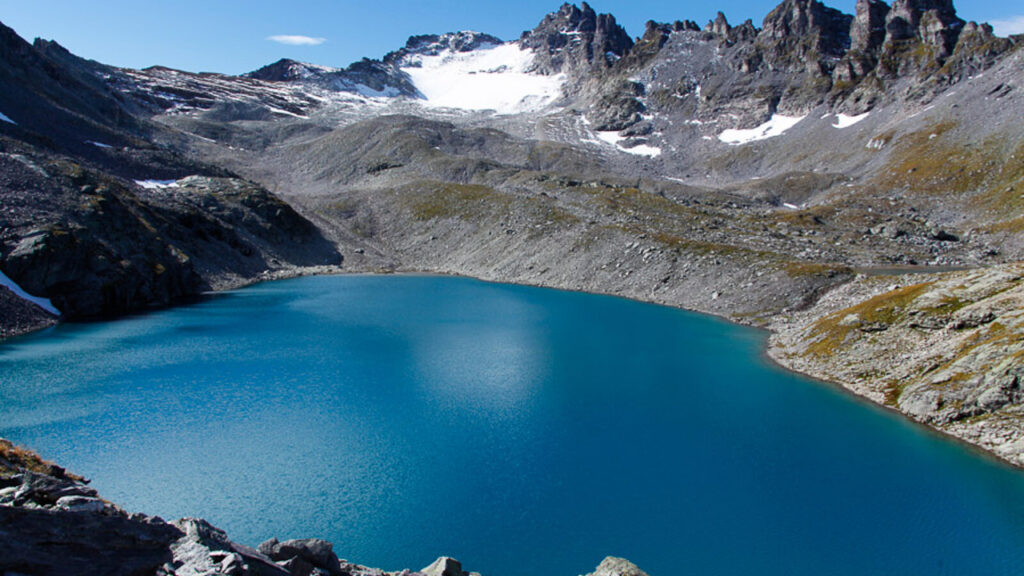
The Garmil area provides another opportunity to experience the landscape beyond the Five Lakes Hike.
Switzerland Tourism highlights the Garmil-Geohöhenweg as a highland trail with smartphone information, offering views and opportunities to learn more about the landscape.
This type of trail can appeal to travelers who want to understand the mountains rather than simply photograph them.
Interpretive information can help explain geological formations, landscapes, and local natural features.
The route also provides panoramic views over the surrounding area.
Because conditions vary by season, check current route information before planning a hike.
The official mountain report remains the best source for current trail accessibility.
Pizol in Summer
Summer is the most popular season for exploring the hiking trails.
The higher routes generally become accessible as snow melts, and mountain transportation provides convenient access to the trail network.
The official Pizol site currently states that the 2026 summer lifts are scheduled to operate daily through October 18, 2026.
Summer also brings longer daylight hours, making it easier to plan a full day outdoors.
The Five Lakes Hike is particularly attractive during this period.
Green Alpine vegetation contrasts with rocky slopes, blue lakes, and distant peaks.
However, summer does not guarantee perfect weather.
Thunderstorms, clouds, rain, and sudden temperature changes can occur in the mountains.
Check the forecast before leaving and be prepared to adjust your plans.
A flexible itinerary is especially useful in Alpine destinations.
Pizol in Autumn
Autumn can be an excellent time to explore the lower and middle elevations around Pizol.
The landscape begins to change color, creating a different visual atmosphere from summer.
The number of visitors may also be lower outside peak periods.
However, autumn comes with shorter days and more variable mountain conditions.
Some lifts and mountain restaurants may operate on seasonal schedules.
Higher trails can also become unsuitable as temperatures drop and snow returns.
If you are visiting in autumn, confirm the operating dates of the mountain transportation and check trail conditions before beginning a hike.
A route that was accessible in July may not be suitable later in the season.
Pizol in Winter
Winter transforms the region into a snowy mountain destination.
The Pizol area is also known for winter sports and skiing.
Switzerland Tourism describes the destination as a hiking and skiing region that offers activities during both summer and winter.
Winter visitors experience a completely different atmosphere.
The mountain landscape becomes quieter and whiter, while ski areas and snow activities become central to the experience.
Visitors who are not skiing can still enjoy winter scenery, depending on the current facilities and conditions.
However, summer hiking routes should not simply be treated as winter walking routes.
Snow and ice can completely change the difficulty and safety of a trail.
Always follow current winter information and use appropriate equipment and routes.
Best Time to Visit Pizol
The best time to visit Pizol depends on what you want to do.
For the Five Lakes Hike, summer and early autumn are generally the most suitable periods, subject to current trail conditions.
The official route information currently lists the Five Lakes Hike season as approximately July through October.
Summer is ideal for hiking, photography, family activities, and enjoying the mountain lakes.
Early autumn can provide beautiful colors and potentially quieter trails.
Winter is more appropriate for snow-based activities and skiing.
Spring can be less predictable at high elevations because snow may remain on the mountain trails.
Whatever season you choose, check current conditions shortly before traveling.
Mountain schedules and trail accessibility can change.
How Difficult Is the Five Lakes Hike?
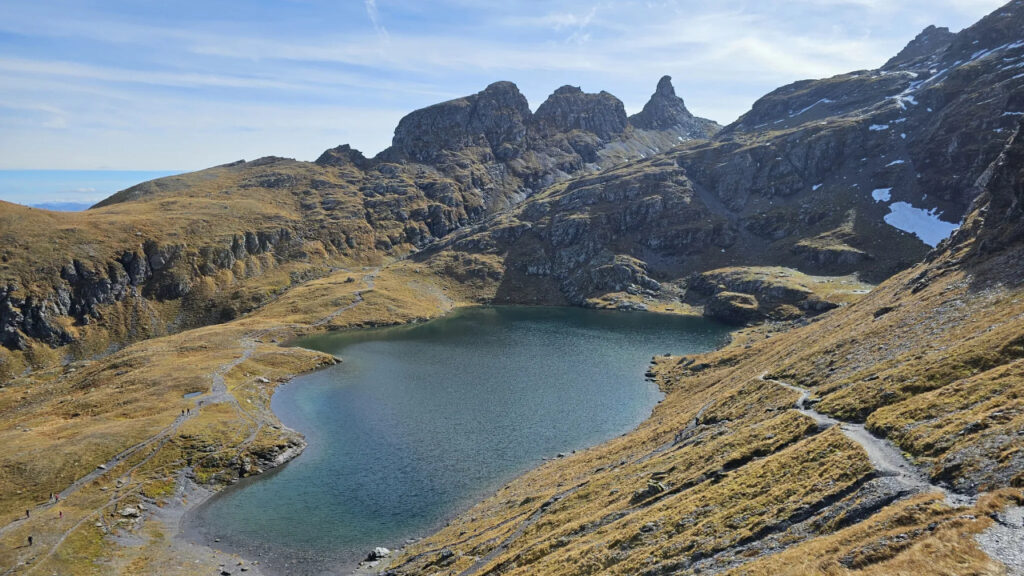
The Five Lakes Hike is not a casual flat walk.
Although the route is accessible to many reasonably prepared hikers, it includes significant uphill and downhill sections.
The official Pizol route lists approximately 11.4 kilometers of distance, 553 meters of ascent, and 911 meters of descent. It also recommends sturdy hiking boots because some upper sections include scree and rocky terrain.
This means preparation matters.
Wear shoes with good grip.
Carry enough water and food.
Bring layers for changing temperatures.
Check the weather.
Allow enough time to finish before the final mountain transport.
The official route information also recommends beginning early enough to avoid missing the last descent.
Do not judge the difficulty only by the distance.
High-altitude terrain and repeated climbs and descents can make a route feel more demanding than a similar-distance walk at low elevation.
If you are uncertain about your ability, consider choosing a shorter trail instead.
What to Pack for Pizol
Your packing list should reflect the season and the route you plan to take.
For a summer hiking day, useful items include:
- Hiking shoes with good grip
- Lightweight layers
- Waterproof jacket
- Sun protection
- Sunglasses
- Water bottle
- Snacks
- Small backpack
- Phone
- Portable battery
- Basic first-aid supplies
A warm layer is particularly useful because temperatures can be significantly cooler at higher elevations.
Even on a warm summer day in the valley, conditions near the mountain ridge can be very different.
For the Five Lakes Hike, sturdy footwear is especially important.
The official Pizol website specifically recommends hiking boots with a good profile for rocky and scree sections.
In winter, use equipment appropriate for snow and ice and follow the current local guidance.
Photography at Pizol
Pizol is an excellent destination for landscape photography.
The Five Lakes Hike alone provides numerous opportunities because each lake has a different appearance.
Wildsee is particularly striking because of its turquoise water and mountain backdrop.
Schwarzsee creates a darker, more dramatic composition.
Baschalvasee offers a quieter landscape toward the end of the route.
Beyond the lakes, the mountain ridges and distant Rhine Valley create broader panoramic opportunities.
Try photographing the same landscape under different conditions.
A clear blue sky creates a classic Alpine image.
Clouds can add depth and atmosphere.
Early or late light can emphasize mountain textures.
Do not feel that every photograph needs to show a famous landmark.
Small details can also tell the story of the landscape.
A mountain path disappearing toward a ridge, flowers beside a lake, or a distant peak reflected in water can create memorable images.
Where to Stay Near Pizol
Travelers have several choices when planning accommodation.
Bad Ragaz is a convenient base for visitors who want access to restaurants, hotels, wellness facilities, and transportation.
Wangs is another practical option, particularly for travelers planning to begin the Five Lakes Hike from the Wangs side.
The surrounding region also offers mountain accommodation.
Staying closer to the hiking area can make it easier to begin early and enjoy the landscape before the busiest part of the day.
When choosing accommodation, consider more than distance.
Look at transportation connections, lift operating times, restaurants, and whether you want a quiet mountain environment or a larger town.
A few extra minutes of travel can sometimes provide a much more comfortable overall experience.
How to Reach Pizol
Pizol can be reached from both Bad Ragaz and Wangs.
Switzerland Tourism notes that gondola railways operate from both valley locations toward the mountain area.
This provides flexibility when planning an itinerary.
Wangs is particularly associated with the classic Five Lakes route, while Bad Ragaz provides another access point to the mountain.
If you are using public transportation, check the latest connections before traveling.
Mountain railways operate according to seasonal schedules, and the final descent times are important when planning a hike.
If you are driving, Switzerland Tourism notes that the valley stations are conveniently located near the highway exit.
Regardless of how you arrive, check the mountain operating report before beginning your trip.
Responsible Travel in the Mountains
Responsible travel is important when exploring Pizol.
Mountain ecosystems are sensitive, and visitors can help protect them through simple choices.
Stay on marked trails.
Do not leave rubbish behind.
Avoid disturbing wildlife.
Respect protected areas.
Follow signs and local instructions.
The official Five Lakes Hike information states that a hunting reserve extends from Wildseeluggen toward Schottensee and that camping and bivouacking are strictly prohibited in that area.
Following such rules helps protect both wildlife and visitors.
It also ensures that the landscape remains enjoyable for future travelers.
Responsible hiking is not complicated.
It simply means treating the mountains as a living environment rather than a backdrop for tourism.
Is Pizol Worth Visiting?
Pizol is absolutely worth visiting for travelers who want a combination of scenic mountain landscapes, accessible transportation, hiking opportunities, and beautiful Alpine lakes.
The Five Lakes Hike alone makes the destination memorable.
But the area becomes even more appealing when you consider everything else available.
You can enjoy panoramic viewpoints, explore the mountain villages and valley towns, ride gondolas and chairlifts, discover the Tectonic Arena Sardona, photograph Alpine lakes, and experience seasonal activities.
It also provides a good alternative for travelers who want to explore eastern Switzerland beyond the country’s most famous mountain destinations.
The landscape is spectacular without requiring every visitor to undertake an extreme adventure.
A Sample One-Day Pizol Itinerary
If you have only one day, a carefully planned itinerary can still provide an excellent introduction to the mountain.
Start early at the Wangs valley station.
Take the mountain transportation toward the Pizolhütte.
Once you reach the upper station, begin the Five Lakes Hike.
Pause at Wangsersee before continuing toward Wildsee.
Spend some time around Wildsee and enjoy the views toward the Pizol summit and surrounding mountains.
Continue toward Schottensee and Schwarzsee.
Take your time rather than rushing from one lake to the next.
Eventually, continue toward Baschalvasee and then descend toward Gaffia.
Use the mountain railway to return to the valley before the final operating time.
This itinerary should be adjusted according to current trail conditions, personal ability, weather, and transportation schedules.
The official Pizol information currently recommends starting the hike from the valley station no later than 11:00 a.m. and provides specific final-lift times, so checking the current schedule before your visit is essential.
A Longer Pizol Itinerary
With two or three days, you can experience the mountain at a much slower pace.
On the first day, explore the Five Lakes Hike.
On the second day, visit another section of the mountain, such as the Garmil area, or choose a shorter panoramic trail.
You could also spend time exploring Bad Ragaz and its surrounding attractions.
A third day could be used for a family activity, photography, a different hiking route, or simply enjoying the mountain environment without a strict schedule.
A longer itinerary also provides flexibility if weather interrupts your original plans.
This can be especially valuable in the Alps.
Rather than forcing yourself onto a mountain trail during poor weather, you can move the hike to another day and use the time for a lower-elevation activity.
Final Thoughts on Pizol
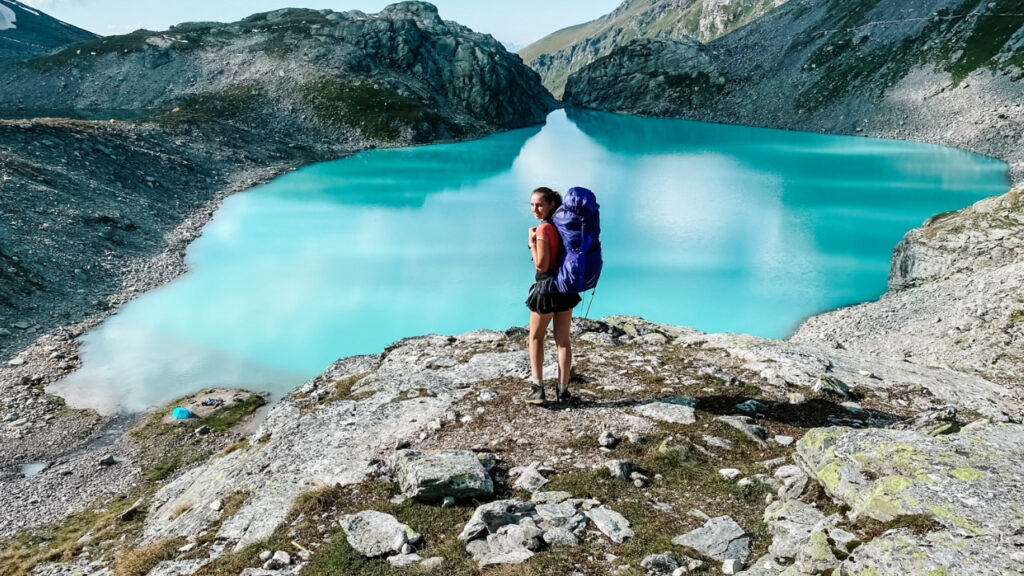
Pizol is an outstanding destination for anyone who wants to experience the beauty and variety of the Swiss Alps.
Its famous Five Lakes Hike provides a spectacular journey through a high-Alpine landscape where five very different mountain lakes create a natural sequence of highlights.
From Wangsersee and the turquoise Wildsee to Schottensee, Schwarzsee, and Baschalvasee, the route offers changing scenery from beginning to end.
Beyond the lakes, the mountain provides panoramic views toward the Rhine Valley, Lake Constance, the Glarus and Graubünden Alps, and the UNESCO World Heritage Tectonic Arena Sardona.
The destination is also remarkably versatile.
Experienced hikers can explore demanding mountain routes.
Families can enjoy accessible trails and dedicated activities.
Photographers can spend hours capturing the changing light across the lakes and peaks.
Travelers looking for a relaxing day can simply use the mountain transportation system to reach higher elevations and enjoy the scenery.
The key to a successful visit is preparation.
Check the current mountain report, confirm lift operating times, choose a trail appropriate for your experience, wear suitable footwear, and leave enough time to return before the final descent.
Most importantly, do not rush.
The real appeal of Pizol is the opportunity to slow down and experience the mountains one landscape at a time.
Whether you visit for the famous Five Lakes Hike, the panoramic views, the family activities, the geological landscape, or simply the chance to spend a day surrounded by the Alps, Pizol can become one of the most memorable stops on a Switzerland itinerary.